Blog Post:
Zinc is an essential mineral that plays a crucial role in many bodily functions, including reproductive health. One of the most significant effects of zinc on the body is its impact on sperm viability. In this blog post, we will explore the relationship between zinc and sperm viability, and why it is essential to understand this connection.
What is Sperm Viability?
Sperm viability refers to the ability of sperm to survive and fertilize an egg. It is a vital factor in male fertility as the quality and quantity of viable sperm directly impact the chances of conception. Sperm viability can be affected by various factors, including age, lifestyle habits, and nutrient deficiencies.
The Role of Zinc in Sperm Viability
Zinc is an essential mineral for sperm health and fertility. It is found in high concentrations in the male reproductive organs, particularly the testes, and plays a crucial role in the development and maturation of sperm. Zinc is also present in seminal fluid, where it helps to maintain the proper pH balance and protects sperm from oxidative damage.
Zinc and Testosterone Levels
Testosterone is the primary male sex hormone responsible for sperm production. Zinc is needed for the production and regulation of testosterone levels in the body. Studies have shown that a deficiency in zinc can lead to decreased testosterone levels, which can have a direct impact on sperm viability.
Zinc and Sperm Count
Sperm count refers to the number of sperm present in a given sample. A low sperm count is one of the leading causes of male infertility. Zinc plays a crucial role in the development and maturation of sperm, and a deficiency in zinc can lead to decreased sperm count. Studies have shown that supplementing with zinc can significantly increase sperm count in men with low levels.
Zinc and Sperm Motility
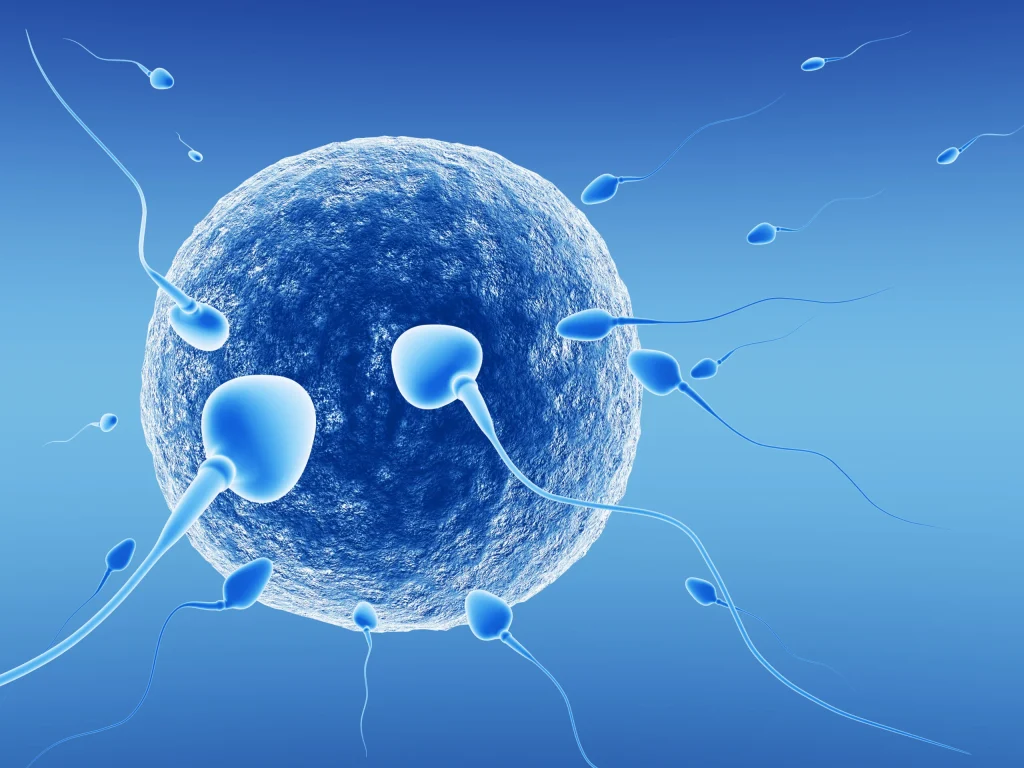
Zinc and Sperm Viability: What You Need to Know
Sperm motility refers to the ability of sperm to move efficiently and swim towards the egg for fertilization. Studies have shown that zinc is crucial for the proper development and function of sperm tails, which are responsible for sperm motility. A deficiency in zinc can lead to reduced sperm motility, making it difficult for sperm to reach and fertilize the egg.
Zinc and Sperm Morphology
Sperm morphology refers to the shape and size of sperm. Abnormal sperm morphology can indicate underlying fertility issues. Zinc is essential for the proper development and maturation of sperm, and a deficiency can lead to abnormalities in sperm morphology.
The Link Between Zinc and Infertility
Infertility affects approximately 15% of couples worldwide, with male factor infertility being responsible for about 30% of cases. Zinc deficiency is a common problem in men, and research has shown that it can have a significant impact on male fertility. Several studies have linked low levels of zinc to decreased sperm quality and male infertility.
How to Increase Zinc Intake
The recommended daily intake of zinc for adult men is 11 mg per day. Zinc can be obtained through the diet by consuming foods such as oysters, beef, chicken, beans, nuts, and whole grains. However, factors such as poor diet, digestive issues, and medication use can affect zinc absorption, making it challenging to get adequate levels from food alone.
Supplementation is another way to increase zinc intake. Zinc supplements are available in various forms, such as capsules, tablets, and liquid. It is essential to consult with a healthcare professional before starting any supplementation to determine the proper dosage and form for your specific needs.
Conclusion
Zinc is an essential mineral for sperm health and plays a crucial role in sperm viability. Adequate levels of zinc are necessary for the production and regulation of testosterone, sperm count, motility, and morphology. A deficiency in zinc can lead to decreased sperm quality and male infertility. It is crucial to maintain proper zinc levels through a balanced diet and supplementation, if needed, to support reproductive health and fertility.
Summary:
Zinc is an essential mineral that plays a crucial role in sperm viability. Sperm viability refers to the ability of sperm to survive and fertilize an egg. Zinc is necessary for the production and regulation of testosterone, sperm count, motility, and morphology. A deficiency in zinc can lead to decreased sperm quality and male infertility. Adequate intake of zinc through a balanced diet and supplementation can help support reproductive health and fertility.