Blog Post:
When it comes to male fertility and reproductive health, there are many factors that can impact sperm function. One important factor that is often overlooked is the role of antioxidants. Antioxidants are compounds that protect our cells from damage caused by free radicals, which are unstable molecules that can damage DNA and other important cellular components. In this blog post, we will explore the connection between antioxidants and sperm function, and what you need to know to optimize your reproductive health.
The Link Between Antioxidants and Sperm Function
Sperm cells are highly susceptible to oxidative stress, which occurs when there is an imbalance between free radicals and antioxidants in the body. This oxidative stress can damage sperm cells and impair their function, leading to decreased sperm count, motility, and morphology (shape). In fact, studies have shown that oxidative stress is a major cause of male infertility, accounting for up to 30% of cases.
Antioxidants play a crucial role in protecting sperm cells from oxidative damage. They neutralize free radicals and prevent them from damaging sperm DNA, which is essential for healthy sperm function. In addition, antioxidants also help to improve sperm quality and increase sperm count, making them essential for male fertility.
Types of Antioxidants
There are several types of antioxidants that play a role in sperm function, including vitamins C and E, beta-carotene, selenium, and zinc. These antioxidants can be found in a variety of foods, such as fruits, vegetables, nuts, and whole grains. However, it is important to note that not all antioxidants are created equal. Some are more effective at protecting sperm cells than others.
For example, vitamin C has been shown to improve sperm quality and motility, while vitamin E has been found to increase sperm count. Beta-carotene, a precursor to vitamin A, has also been linked to improved sperm function. Selenium and zinc are essential minerals that have been shown to improve sperm quality and protect against oxidative damage.
Antioxidants and Male Fertility
Research has consistently shown that antioxidants can have a positive impact on male fertility. In a study published in the Journal of Assisted Reproduction and Genetics, men who took a combination of antioxidants for three months saw significant improvements in sperm count, motility, and morphology. Another study published in the journal Fertility and Sterility found that men with low levels of antioxidants in their semen were more likely to have abnormal sperm function.
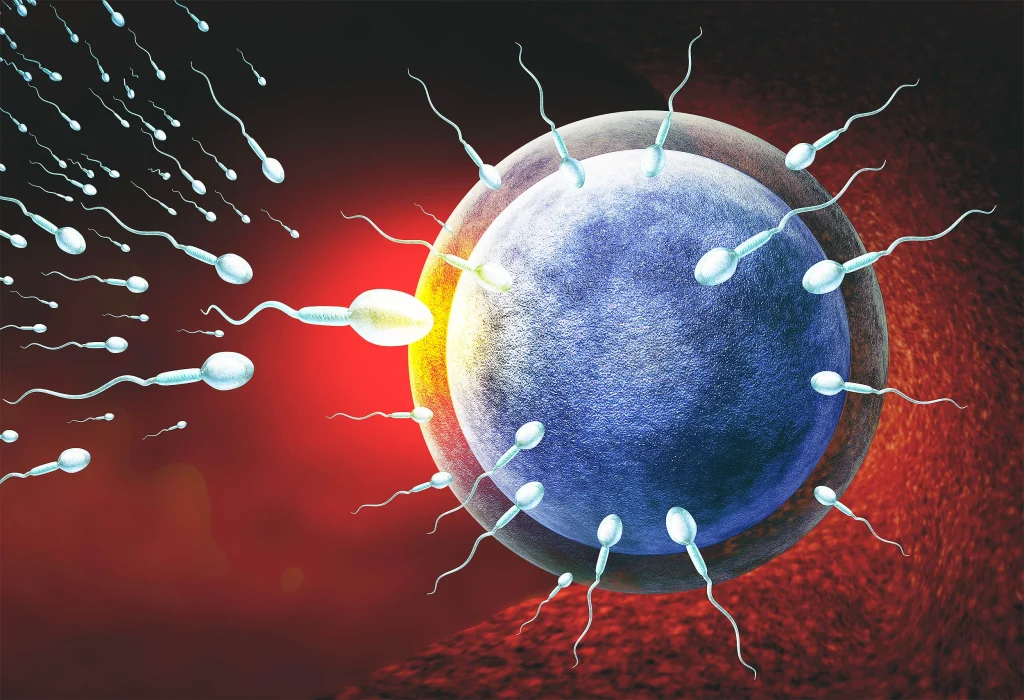
Antioxidants and Sperm Function: What You Need to Know
In addition, a review of 34 studies published in the Cochrane Database of Systematic Reviews found that antioxidant supplementation was associated with improved sperm quality and pregnancy rates in couples undergoing fertility treatment. This highlights the potential benefits of antioxidants for both natural conception and assisted reproduction.
Tips for Increasing Antioxidants in Your Diet
To reap the benefits of antioxidants for sperm function, it is important to consume a diet rich in these compounds. Here are some tips for increasing antioxidants in your diet:
1. Eat a variety of fruits and vegetables: Different fruits and vegetables contain different antioxidants, so aim to eat a variety of colors to get a diverse range of antioxidants in your diet.
2. Incorporate nuts and seeds: Nuts and seeds are excellent sources of antioxidants, particularly vitamin E and selenium. Snack on almonds, walnuts, pumpkin seeds, and sunflower seeds for a boost of antioxidants.
3. Choose whole grains: Whole grains, such as brown rice, quinoa, and oatmeal, are rich sources of antioxidants like zinc and selenium.
4. Increase intake of antioxidant-rich foods: Some foods are particularly high in antioxidants, such as berries, dark leafy greens, and beans. Make an effort to include these foods in your diet regularly.
5. Consider supplementation: If you are having trouble getting enough antioxidants from your diet, consider taking a supplement. Talk to your doctor or a registered dietitian to determine the right dosage and type of antioxidant supplement for you.
In summary, antioxidants play a crucial role in protecting sperm cells from oxidative damage and improving sperm function. By incorporating antioxidant-rich foods into your diet and possibly adding supplementation, you can support your reproductive health and increase your chances of conceiving. Remember to consult with a healthcare professional before making any significant changes to your diet or starting a new supplement regimen.
In conclusion, antioxidants are an essential component of male reproductive health and can have a significant impact on sperm function. By understanding the link between antioxidants and sperm function, and incorporating antioxidant-rich foods into your diet, you can support your fertility and overall health. So, don’t overlook the power of antioxidants in your journey to fatherhood.