Antioxidants and Male Fertility: What Science Says
When it comes to fertility, there are many factors that can affect a man’s ability to conceive. From lifestyle choices such as diet and exercise, to environmental factors like pollution and toxins, there are numerous things that can impact male fertility. One key factor that is often overlooked is the role of antioxidants in sperm health and fertility. In recent years, there has been a growing body of research showing the important role that antioxidants play in male fertility. In this blog post, we will delve into the science behind antioxidants and male fertility, and what steps men can take to improve their fertility through antioxidant intake.
What are Antioxidants?
First, let’s define what antioxidants are and how they function in the body. Antioxidants are substances that protect cells from damage caused by free radicals. Free radicals are unstable molecules that can damage cells and contribute to aging and disease. They are produced in the body as a byproduct of natural processes such as metabolism, but they can also be introduced through factors like smoking, pollution, and UV radiation. Antioxidants help neutralize these free radicals, preventing them from causing harm to the body.
Antioxidants and Male Fertility
So, what does this have to do with male fertility? Well, the production of sperm involves a complex process of cell division and maturation, which makes it vulnerable to oxidative damage. This damage can lead to abnormalities in sperm production and function, ultimately impacting a man’s fertility. In fact, studies have shown that men with fertility problems have higher levels of oxidative stress in their semen compared to fertile men.
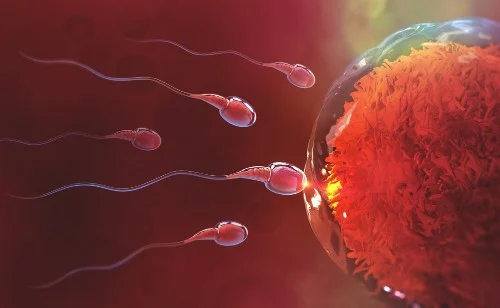
Antioxidants play a crucial role in protecting sperm from oxidative damage. They help maintain the integrity of the sperm’s DNA, which is vital for successful fertilization and embryo development. Antioxidants also play a role in sperm motility, or the ability of sperm to move and swim towards the egg. Studies have shown that men with low levels of antioxidants in their semen have lower sperm motility, making it more difficult for them to fertilize an egg.
Types of Antioxidants and Their Impact on Male Fertility
There are several types of antioxidants that are important for male fertility. These include vitamins C and E, selenium, zinc, and coenzyme Q10. Let’s take a closer look at each of these and their impact on male fertility.
1. Vitamin C: This water-soluble vitamin is a powerful antioxidant that helps protect sperm from oxidative damage. Studies have shown that vitamin C supplementation can improve sperm quality and motility, and also decrease DNA damage in sperm.
2. Vitamin E: This fat-soluble vitamin works alongside vitamin C to protect sperm from oxidative stress. It also plays a role in sperm membrane integrity and sperm motility. Studies have shown that vitamin E supplementation can improve sperm parameters in infertile men.
Antioxidants and Male Fertility: What Science Says
3. Selenium: This mineral is an essential component of antioxidant enzymes in the body. It helps neutralize free radicals and protects sperm from oxidative damage. Studies have shown that selenium supplementation can improve sperm quality and motility in infertile men.
4. Zinc: This mineral is involved in numerous processes in the body, including sperm production and maturation. It also has antioxidant properties and helps maintain the integrity of sperm DNA. Studies have shown that zinc supplementation can improve sperm count, motility, and morphology in infertile men.
5. Coenzyme Q10: This antioxidant is found in every cell in the body and is essential for energy production. It also has antioxidant properties and helps protect sperm from oxidative damage. Studies have shown that coenzyme Q10 supplementation can improve sperm quality and motility in infertile men.
In addition to these key antioxidants, there are also other nutrients and compounds that have been linked to male fertility, such as lycopene, resveratrol, and carnitine. These can be found in foods like tomatoes, red grapes, and meat, respectively.
Ways to Increase Antioxidant Intake for Improved Male Fertility
Now that we know the importance of antioxidants for male fertility, let’s explore some ways to increase antioxidant intake. The best way to ensure adequate antioxidant intake is through a balanced and varied diet that includes plenty of fruits and vegetables. Some of the best sources of antioxidants include berries, citrus fruits, leafy greens, and nuts. It’s also important to note that the way food is prepared can impact its antioxidant content. For example, raw or lightly cooked vegetables tend to have higher levels of antioxidants compared to heavily processed or overcooked ones.
In addition to a healthy diet, supplements can also be an effective way to increase antioxidant intake. However, it’s important to consult with a healthcare professional before starting any new supplements, as they may interact with other medications or have potential side effects.
Conclusion
In conclusion, the research is clear – antioxidants play a vital role in male fertility. Ensuring adequate intake of antioxidants through a healthy diet and supplementation can improve sperm quality and motility, and protect against oxidative damage. While more studies are needed to fully understand the impact of antioxidants on male fertility, it’s clear that they are an important factor to consider for men looking to improve their chances of conception.
Summary:
In recent years, there has been a growing body of research showing the important role that antioxidants play in male fertility. Antioxidants are substances that protect cells from damage caused by free radicals, and they play a crucial role in protecting sperm from oxidative damage. There are several types of antioxidants that are important for male fertility, including vitamins C and E, selenium, zinc, and coenzyme Q10. These can be found in foods like fruits, vegetables, and nuts, and supplements can also be an effective way to increase intake. By ensuring adequate antioxidant intake, men can improve their sperm quality and motility, and protect against oxidative damage, ultimately increasing their chances of conception.