Blog Post: Sperm Health and Probiotics: The Gut-Testicular Axis
When it comes to reproductive health, the focus is often on the female reproductive system. However, male fertility and sperm health are equally important factors in the conception process. And while there are various factors that can affect sperm health, one that is often overlooked is the role of probiotics in maintaining a healthy gut-testicular axis.
The Gut-Testicular Axis
The gut-testicular axis refers to the connection between the gut and the testes. This connection is due to the fact that both the gut and the testes are major sites of the immune system. The gut is home to trillions of bacteria, collectively known as the gut microbiome, which play a crucial role in maintaining overall health. Similarly, the testes are responsible for producing sperm and are also home to immune cells.
The gut and testes communicate through a complex network of hormones and immune cells, known as the gut-testicular axis. This connection is essential for maintaining optimal reproductive health in men. Any imbalance or disruption in this axis can lead to various reproductive health issues, including male infertility.
Role of Probiotics in Sperm Health
Probiotics are live microorganisms that are beneficial for health when consumed in adequate amounts. They are often referred to as “good” or “friendly” bacteria, and they play a crucial role in maintaining a healthy balance of bacteria in the gut.
Several studies have shown that probiotics can positively impact male fertility and sperm health. One study found that supplementing with probiotics improved sperm quality and increased the number of healthy sperm in men with low sperm counts. Another study showed that probiotics can help improve sperm motility, which is essential for successful fertilization.
Probiotics have also been found to reduce inflammation in the body, which can contribute to various reproductive health issues. Inflammation in the testes can lead to oxidative stress, which can damage sperm cells and affect their quality and function. By reducing inflammation, probiotics can help protect sperm cells and improve overall sperm health.
Furthermore, probiotics have been shown to improve the gut microbiome, leading to a healthier gut environment. This, in turn, can positively impact the gut-testicular axis and promote optimal sperm health.
Factors Affecting Gut Microbiome and Sperm Health
Several factors can disrupt the balance of bacteria in the gut and affect sperm health. These include a poor diet high in processed foods and sugar, stress, medication use, and exposure to environmental toxins.
A poor diet lacking in essential nutrients can negatively impact the gut microbiome, leading to an overgrowth of harmful bacteria. This can cause inflammation in the gut, which can then affect the gut-testicular axis and sperm health.
Stress can also disrupt the balance of bacteria in the gut. When we are stressed, our body releases a hormone called cortisol, which can alter the composition of the gut microbiome. This, in turn, can affect the gut-testicular axis and sperm health.
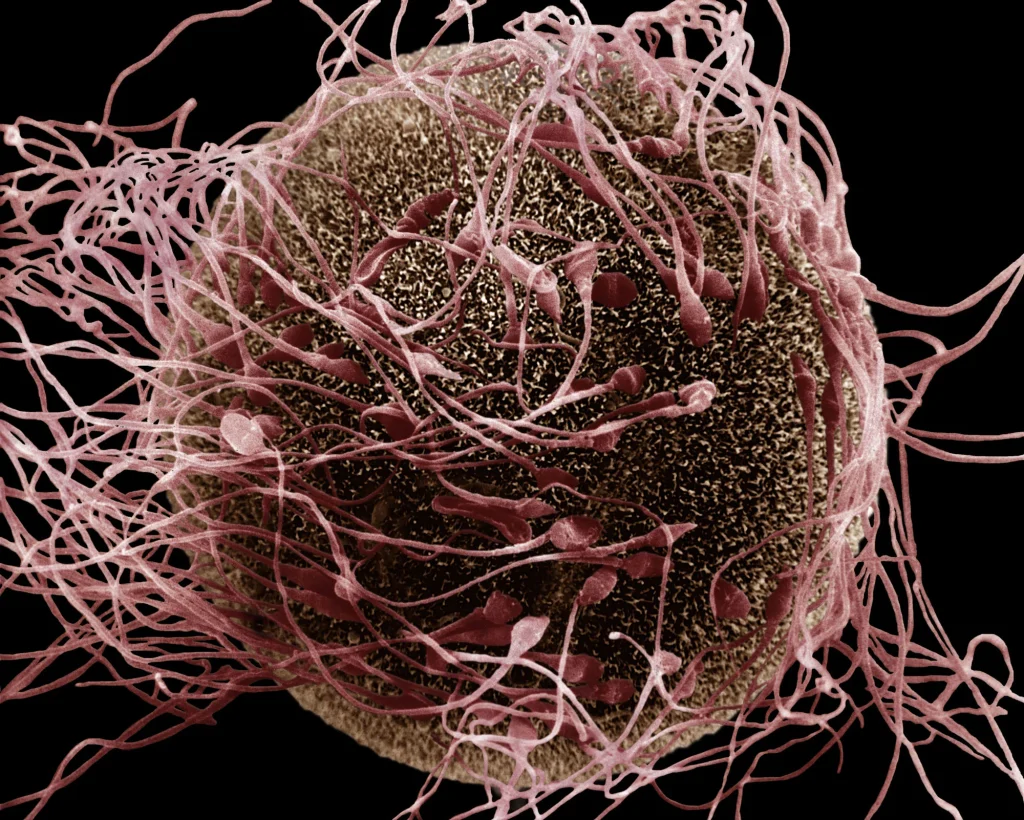
Sperm Health and Probiotics: The Gut-Testicular Axis
Medications such as antibiotics can also have a significant impact on the gut microbiome. While these medications are often necessary, they can also kill off both harmful and beneficial bacteria in the gut, leading to an imbalance.
Exposure to environmental toxins, such as pesticides and pollutants, can also have a negative effect on the gut microbiome. These toxins can disrupt the balance of bacteria in the gut, leading to inflammation and affecting the gut-testicular axis.
How to Improve Gut Health for Better Sperm Health
Maintaining a healthy gut microbiome is crucial for optimal sperm health. Here are some tips to improve gut health:
1. Eat a balanced diet rich in whole foods, including fruits, vegetables, lean protein, and healthy fats. These foods provide essential nutrients for a healthy gut microbiome.
2. Limit processed foods and sugar, as these can contribute to an overgrowth of harmful bacteria in the gut.
3. Manage stress through relaxation techniques, such as meditation, yoga, and deep breathing exercises.
4. Avoid unnecessary use of antibiotics and discuss alternatives with your healthcare provider.
5. Minimize exposure to environmental toxins by choosing organic produce and using natural cleaning and personal care products.
Adding Probiotics to Your Routine
In addition to these lifestyle changes, adding probiotics to your routine can also help improve gut health and sperm health. Probiotic supplements and foods, such as yogurt, kefir, and kimchi, are excellent sources of beneficial bacteria.
When choosing a probiotic supplement, look for one that contains a variety of strains and has a high number of live cultures. It is also essential to choose a reputable brand that uses quality ingredients.
Summary:
The gut-testicular axis is the connection between the gut and the testes, and it plays a crucial role in maintaining male reproductive health. Probiotics, which are beneficial bacteria, can positively impact sperm health by improving the gut microbiome, reducing inflammation, and promoting a healthy gut-testicular axis. Several factors, including a poor diet, stress, medication use, and exposure to environmental toxins, can disrupt the balance of bacteria in the gut and affect sperm health. To improve gut health, it is essential to eat a balanced diet, manage stress, limit medication use, and minimize exposure to environmental toxins. Adding probiotics to your routine can also help maintain a healthy gut microbiome.