Blog Post Title: Managing Hormonal Imbalance for Improved Sperm Health: A Holistic Approach
Summary:
Hormonal imbalance is a common issue that affects many men and can have a significant impact on sperm health. The good news is that there are natural and holistic approaches that can help manage hormonal imbalance and improve sperm health.
In this blog post, we will explore the various hormones that play a role in male fertility, how hormonal imbalances can affect sperm health, and the holistic approach to managing these imbalances for improved sperm health.
Understanding Hormones and Their Role in Male Fertility:
Hormones are chemical messengers that regulate various bodily functions, including sperm production. In men, the main hormones involved in fertility are testosterone, luteinizing hormone (LH), follicle-stimulating hormone (FSH), and prolactin.
Testosterone is responsible for sperm production and plays a crucial role in male sexual development and function. LH and FSH are produced by the pituitary gland and are responsible for stimulating the production of testosterone and sperm by the testes. Prolactin, produced by the pituitary gland, helps regulate testosterone and sperm production.
Hormonal Imbalances and Their Impact on Sperm Health:
When there is an imbalance in these hormones, it can have a significant impact on sperm health. Low testosterone levels can lead to a decrease in sperm production, while high levels of prolactin can suppress testosterone production and sperm function. Imbalances in LH and FSH levels can also affect sperm production and quality.
In addition to affecting sperm production, hormonal imbalances can also cause other issues such as erectile dysfunction, low libido, and difficulty achieving orgasm. These issues can further impact male fertility and overall sexual health.
The Holistic Approach to Managing Hormonal Imbalances for Improved Sperm Health:
1. Diet and Nutrition:
The food we eat plays a crucial role in hormone production and balance. Eating a well-balanced diet rich in essential nutrients, such as zinc, magnesium, and vitamin D, can help regulate hormone levels. Foods that are beneficial for male fertility include leafy greens, nuts, seeds, fish, and whole grains.
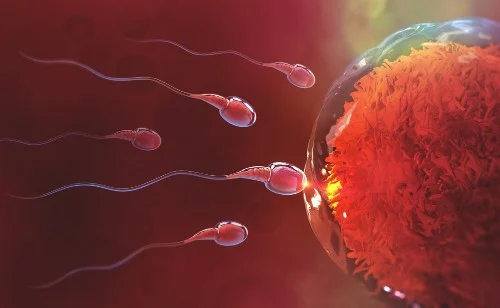
Managing Hormonal Imbalance for Improved Sperm Health: A Holistic Approach
2. Exercise:
Regular exercise can help regulate hormone levels and improve sperm health. Studies have shown that men who lead a sedentary lifestyle have lower levels of testosterone and poorer sperm quality. Incorporating moderate exercise, such as strength training and cardio, into your routine can help improve hormonal balance and sperm health.
3. Stress Management:
Stress can disrupt hormone production and lead to imbalances. Finding healthy ways to manage stress, such as meditation, yoga, or talking to a therapist, can help regulate hormone levels and improve sperm health.
4. Herbal Supplements:
Certain herbs have been shown to have a positive impact on hormonal balance and sperm health. These include ashwagandha, maca root, and tribulus terrestris. However, it is essential to consult with a healthcare professional before taking any herbal supplements to ensure they are safe for you and will not interact with any medications you may be taking.
5. Acupuncture:
Acupuncture is a traditional Chinese medicine practice that involves stimulating specific points on the body with thin needles. Studies have shown that acupuncture can help regulate hormone levels and improve sperm quality in men with hormonal imbalances.
6. Lifestyle Changes:
Making small lifestyle changes can also have a significant impact on hormonal balance and sperm health. These include quitting smoking, reducing alcohol consumption, and getting enough sleep.
7. Medical Treatments:
In some cases, medical treatments may be necessary to manage hormonal imbalances. These can include hormone replacement therapy or medications to regulate specific hormone levels. It is essential to work with a healthcare professional to determine the best treatment plan for your specific needs.
In conclusion, managing hormonal imbalances is crucial for improved sperm health. By taking a holistic approach that includes diet and nutrition, exercise, stress management, herbal supplements, acupuncture, and lifestyle changes, men can regulate their hormone levels and improve their sperm health naturally.