Blog Post:
As men age, they may experience a decline in fertility and overall reproductive health. This can be a cause of concern for many, especially for those who are trying to start a family at the age of 40. One factor that can contribute to this decline is varicocele, a condition where the veins in the scrotum become enlarged and can affect the quality of sperm. Fortunately, varicocele treatment has been shown to improve overall male reproductive health, specifically at the age of 40.
In this blog post, we will delve into the role of varicocele treatment in improving male reproductive health at 40. We will discuss what varicocele is, its effects on fertility, and how treatment can help. We will also explore the different treatment options available and how they can benefit men in their 40s.
Understanding Varicocele
Varicocele is a condition that occurs when the veins in the scrotum become enlarged. This happens when the valves within the veins that regulate blood flow fail to function properly, causing blood to pool and enlarge the veins. This condition is most commonly found in the left side of the scrotum, but it can also occur on both sides.
Varicocele is a common condition, affecting approximately 15% of the male population. It is more prevalent in men between the ages of 15 to 35, but it can also develop later in life. While it may not always cause any symptoms, it can have an impact on male reproductive health, particularly in men over the age of 40.
Effects of Varicocele on Fertility
One of the main concerns for men with varicocele is its effect on fertility. The enlarged veins in the scrotum can disrupt the testicular temperature, which is essential for sperm production. This can lead to a decrease in sperm count, motility, and morphology.
Additionally, varicocele can also cause oxidative stress, which can damage sperm DNA. This can result in abnormal sperm and increase the risk of chromosomal abnormalities in offspring. Studies have shown that men with varicocele are more likely to have a higher percentage of sperm abnormalities compared to those without the condition.
Furthermore, varicocele can also affect hormone levels in men, particularly testosterone. Testosterone is crucial for male reproductive health, and a decrease in its levels can lead to a decrease in libido, erectile dysfunction, and infertility.
Role of Varicocele Treatment at 40
Varicocele treatment has been shown to improve overall male reproductive health, especially in men at the age of 40. By treating varicocele, it can alleviate the negative effects of the condition on sperm quality, quantity, and hormonal balance. This can ultimately improve fertility and increase the chances of conception.
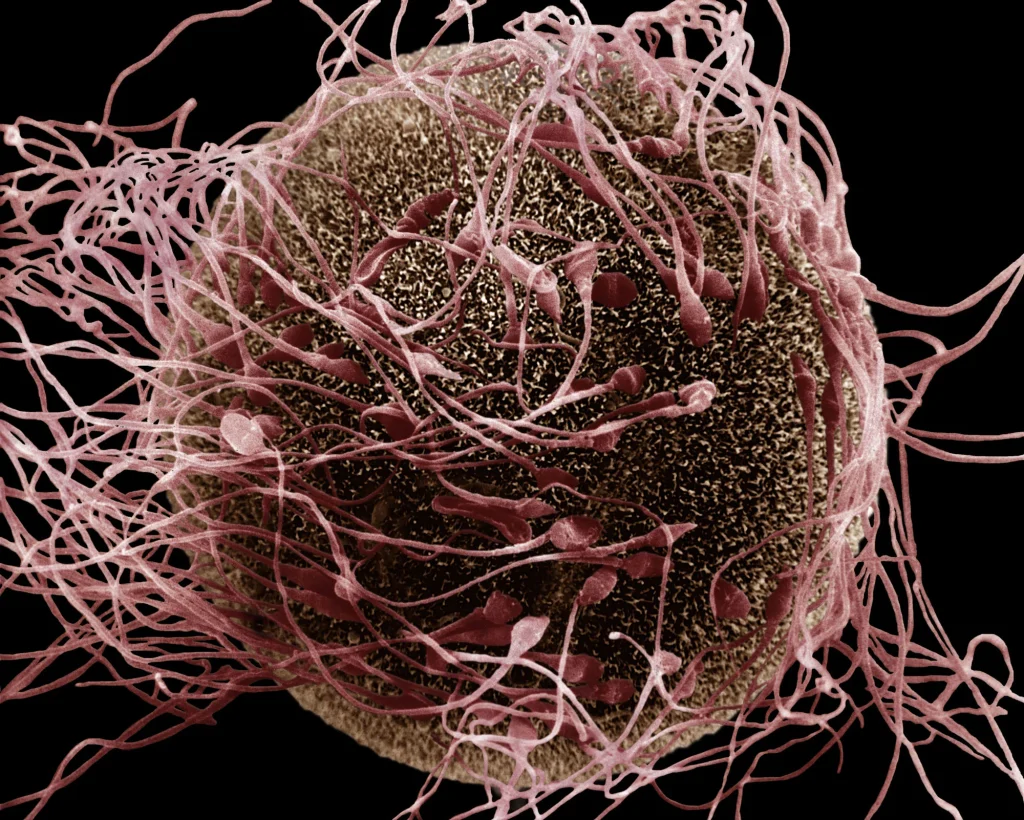
The Role of Varicocele Treatment in Improving Overall Male Reproductive Health at 40
One study conducted on men with varicocele aged 40 or older found that after undergoing varicocele treatment, there was a significant improvement in sperm concentration, motility, and morphology. Another study also showed that treating varicocele in men over the age of 40 resulted in a significant increase in testosterone levels.
Treatment Options for Varicocele
There are various treatment options available for varicocele, and the right one for you will depend on the severity of your condition and your overall health. The most common treatment options include:
1. Varicocelectomy – This is a surgical procedure where the enlarged veins are surgically removed or tied off. It is considered the most effective treatment for varicocele and is often recommended for men with severe cases.
2. Embolization – This is a minimally invasive procedure where a small catheter is inserted into the affected veins and a substance is injected to block the blood flow, causing the veins to shrink.
3. Medical Management – In some cases, varicocele can be managed with medication, such as anti-inflammatory drugs, to reduce discomfort and swelling.
Benefits of Varicocele Treatment at 40
Treating varicocele at the age of 40 can have numerous benefits for male reproductive health. It can improve sperm quality, increase testosterone levels, and ultimately increase the chances of conception. Additionally, treating varicocele can also provide relief from any discomfort or pain caused by the condition.
Moreover, varicocele treatment can also have a positive impact on overall health and well-being. Improved fertility and hormonal balance can lead to increased libido and sexual function, boosting self-esteem and confidence.
Summary:
As men age, their reproductive health may decline, leading to concerns about fertility and overall well-being. Varicocele, a condition where the veins in the scrotum become enlarged, can contribute to this decline. However, varicocele treatment has been shown to improve male reproductive health, especially at the age of 40.
Varicocele can affect fertility by decreasing sperm quality and quantity, damaging sperm DNA, and disrupting hormone levels. By treating varicocele, these effects can be alleviated, ultimately improving fertility and increasing the chances of conception. Treatment options include varicocelectomy, embolization, and medical management.
Varicocele treatment at 40 can have numerous benefits, such as improving sperm quality and testosterone levels, providing relief from discomfort, and boosting overall health and well-being. It is essential for men in their 40s to consider varicocele treatment as it can have a positive impact on their reproductive health and quality of life.