Blog Post Title: Breaking Down the Impact of Varicocele on Sperm Quality
Varicocele is a common condition in men where the veins in the scrotum become enlarged, similar to varicose veins. This can cause discomfort and pain, but it can also have a significant impact on sperm quality. In fact, it is estimated that 40% of infertile men have varicoceles, making it one of the leading causes of male infertility. In this blog post, we will delve into the details of how varicocele affects sperm quality and what can be done to address this issue.
Understanding the Anatomy of Varicocele
Before we can understand how varicocele affects sperm quality, it is important to understand the anatomy of this condition. The veins in the scrotum are responsible for carrying blood away from the testicles. In a varicocele, the valves in these veins become weak, causing the blood to pool and the veins to become enlarged. This can result in increased blood flow and higher temperatures in the testicles, which can have a negative impact on sperm production.
Effect on Sperm Count
One of the primary ways varicocele affects sperm quality is by decreasing sperm count. Studies have shown that men with varicocele have a lower sperm count compared to those without the condition. This is because the increased temperature in the scrotum can damage the sperm cells and reduce their production. Furthermore, the pooling of blood in the veins can also lead to a build-up of toxins and oxidative stress, which can further impact sperm production and quality.
Impact on Sperm Motility
In addition to sperm count, varicocele can also affect sperm motility, which refers to the ability of sperm to move and swim towards the egg for fertilization. The increased temperature in the scrotum can cause changes in the structure of the sperm, making them less able to move effectively. This can significantly decrease the chances of fertilization and increase the risk of infertility.
Quality of Sperm DNA
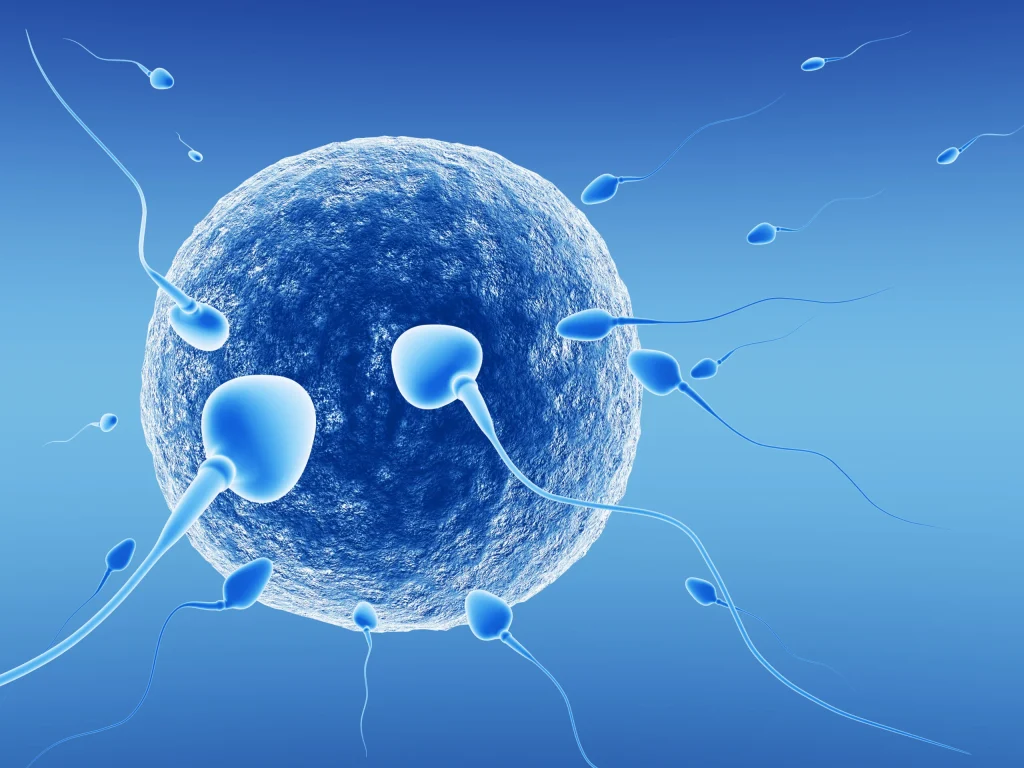
Breaking Down the Impact of Varicocele on Sperm Quality
Another important factor in sperm quality is the integrity of the DNA within the sperm cells. Varicocele has been linked to an increased risk of sperm DNA damage. This can occur due to the oxidative stress caused by the pooling of blood in the veins, as well as the increased temperature in the testicles. Sperm with damaged DNA may not be able to fertilize an egg or may result in an unhealthy pregnancy, increasing the risk of miscarriage.
Addressing Varicocele for Improved Sperm Quality
The good news is that varicocele can be addressed to improve sperm quality. The most common treatment option is varicocelectomy, a surgical procedure that involves tying off the affected veins to redirect blood flow and reduce the pooling of blood. This can help to lower the temperature in the scrotum and improve sperm production.
Another option is embolization, which involves inserting a tiny coil or balloon into the affected vein to block off the blood flow. This is a less invasive procedure than surgery and can also help to improve sperm quality.
In addition to these medical treatments, there are also lifestyle changes that men with varicocele can make to improve sperm quality. These include avoiding hot tubs and saunas, wearing loose-fitting underwear, and maintaining a healthy weight. Quitting smoking and reducing alcohol consumption can also help to improve sperm quality.
The Importance of Early Detection and Treatment
Varicoceles can often go unnoticed, as they may not cause any symptoms or discomfort. However, it is important for men to undergo regular fertility check-ups, especially if they are planning to start a family. Early detection and treatment of varicocele can significantly improve sperm quality and increase the chances of conception. Therefore, if you are experiencing any symptoms or have concerns about your fertility, it is important to consult with a doctor.
In conclusion, varicocele can have a significant impact on sperm quality, leading to decreased sperm count, motility, and DNA integrity. However, with proper treatment and lifestyle changes, this condition can be addressed and improve the chances of conception. It is important for men to be aware of the potential effects of varicocele and seek medical attention if needed to improve their fertility.
Summary:
Varicocele is a common condition in men where the veins in the scrotum become enlarged, and it can have a significant impact on sperm quality. It can decrease sperm count and motility, as well as increase the risk of DNA damage in sperm cells. Treatment options include surgery and embolization, as well as lifestyle changes. Early detection and treatment are crucial for improving sperm quality and increasing the chances of conception.