Varicocele is a condition that affects the veins in the scrotum, causing them to become enlarged and twisted. It is a common condition, affecting around 15% of men, and is usually harmless. However, recent studies have shown a potential link between varicocele and testicular cancer, raising concerns and questions among men. In this blog post, we will delve into the research and uncover the truth about the link between varicocele and testicular cancer.
Understanding Varicocele
Before we discuss the link between varicocele and testicular cancer, it is important to understand what varicocele is. Varicocele occurs when the veins in the scrotum become enlarged due to a malfunction in the valves that regulate blood flow. This causes the blood to pool, leading to the swelling of the veins. Varicoceles are most commonly found in the left side of the scrotum, but can also occur on the right side or both sides.
Varicoceles are classified into three grades based on their severity: grade 1 is a small varicocele that can only be felt during a physical examination, grade 2 is larger and can be felt without straining, and grade 3 is the largest and can be seen through the skin. Grade 1 varicoceles are the most common and are usually harmless, while grade 2 and 3 varicoceles may cause discomfort and affect fertility.
The Link Between Varicocele and Testicular Cancer
Testicular cancer is a type of cancer that develops in the testicles, the male reproductive organs responsible for producing sperm and testosterone. It is the most common cancer in men between the ages of 15 and 34, and its prevalence has been increasing over the years. Researchers have been studying the potential link between varicocele and testicular cancer, and while the evidence is not conclusive, there are some interesting findings.
One study published in the Journal of Urology found that men with varicocele were at a higher risk of developing testicular cancer compared to those without varicocele. The study followed over 2,000 men with varicocele for 25 years and found that they had a 2.6 times higher risk of developing testicular cancer. However, it is important to note that this study did not establish causation, and further research is needed to confirm the link.
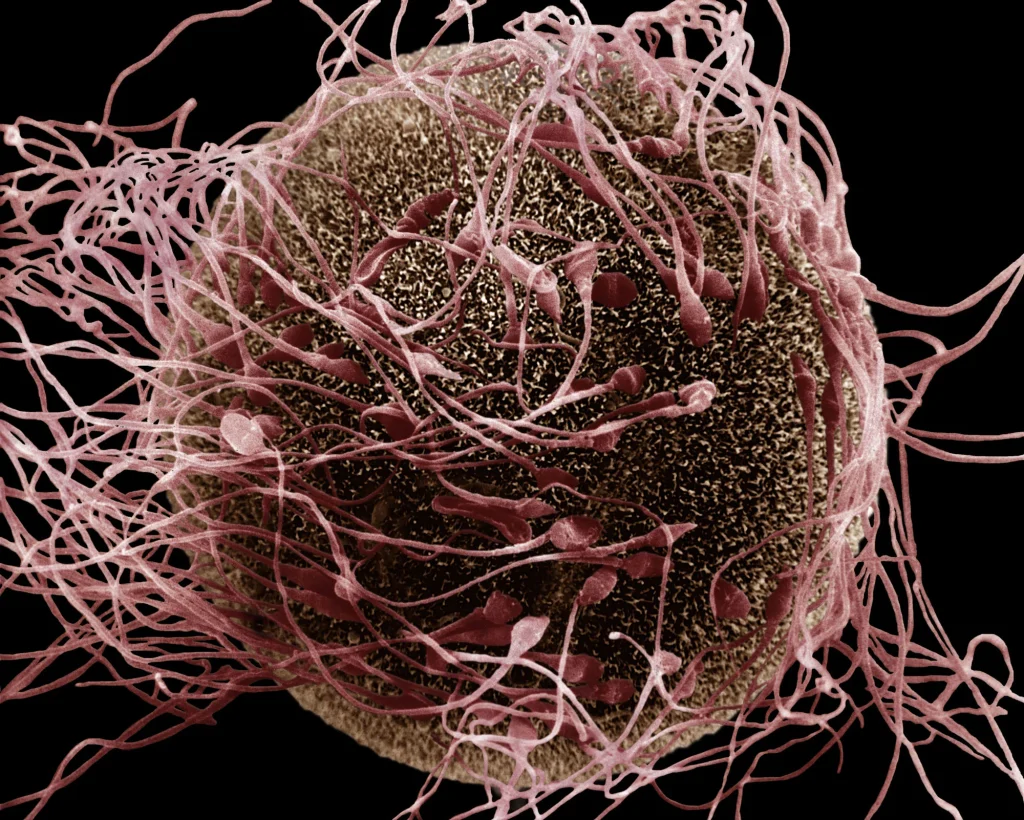
The Link Between Varicocele and Testicular Cancer: What You Need to Know
Another study published in the Journal of Urology focused on the type of testicular cancer that is most commonly associated with varicocele. This study found that men with varicocele were more likely to develop testicular cancer of the left testicle, which is where varicoceles are most commonly found. This suggests that the link between varicocele and testicular cancer may be due to the shared blood supply between the testicles and the enlarged veins.
Possible Explanations for the Link
While the exact cause of the link between varicocele and testicular cancer is still unknown, there are a few theories that researchers have put forward. One theory is that varicocele may cause damage to the testicles, leading to an increased risk of cancer. This is supported by the fact that varicocele can affect fertility and testosterone levels, both of which are important for maintaining testicular health.
Another theory is that varicocele may be a symptom rather than a cause of testicular cancer. Some researchers suggest that varicocele may be a sign of an underlying health issue that predisposes men to develop testicular cancer. This theory is supported by the fact that varicocele is more common in men with a family history of testicular cancer, suggesting a genetic predisposition.
What You Need to Know
While the link between varicocele and testicular cancer is still being studied, it is important for men to be aware of the potential risk. If you have varicocele, it is essential to monitor any changes in your testicles, such as lumps or swelling, and to speak to your doctor if you have any concerns. Regular self-examinations and annual check-ups with a urologist can help detect testicular cancer early, increasing the chances of successful treatment.
It is also important to note that not all cases of testicular cancer are linked to varicocele. The majority of men with varicocele will never develop testicular cancer, and most cases of testicular cancer occur in men without varicocele. Therefore, varicocele should not be a cause for panic, but rather a reason to be vigilant about your testicular health.
In conclusion, while the link between varicocele and testicular cancer is still being studied, there is evidence to suggest a potential association. Men with varicocele should be aware of the risk and take necessary precautions, such as regular self-examinations and check-ups with a urologist. With further research, we may gain a better understanding of the link between these two conditions and how to prevent testicular cancer in men with varicocele.