Varicocele is a condition in which the veins in a man’s scrotum become enlarged and swollen, causing discomfort and potentially affecting fertility. It is estimated that about 15% of men have varicoceles, making it one of the most common causes of male infertility. While there are several known risk factors for varicocele, one that is often overlooked is stress. In this blog post, we will explore the role of stress in varicocele and male infertility, and how managing stress can potentially improve fertility outcomes.
What is Varicocele?
Before diving into the relationship between stress and varicocele, it is important to understand what varicocele is and how it can affect male fertility. Varicocele is a condition in which the veins in the scrotum become enlarged and swollen, causing a build-up of blood that can increase the temperature in the testicles. This increase in temperature can interfere with sperm production and quality, leading to fertility issues. Varicocele can also cause pain, discomfort, and swelling in the scrotum.
While varicocele can affect men of any age, it is most commonly diagnosed in men between the ages of 15 and 35. It is also more prevalent in men who have had a previous injury to the testicles, have a family history of varicocele, or have a sedentary lifestyle. However, one risk factor that is often overlooked is stress.
The Link Between Stress and Varicocele
Stress is a natural response to challenging or threatening situations, and it can have both physical and psychological effects on the body. When we experience stress, the body releases hormones such as cortisol and adrenaline, which can increase heart rate, blood pressure, and muscle tension. These changes in the body can also affect the reproductive system, including sperm production.
Several studies have found a correlation between stress and varicocele. One study published in the Journal of Urology found that men with varicocele had significantly higher levels of stress and anxiety compared to men without the condition. Another study published in Andrologia found that chronic stress can lead to oxidative stress in the testicles, which can damage sperm and potentially contribute to varicocele.
The exact mechanism by which stress affects varicocele is still not fully understood. However, it is believed that the release of stress hormones can cause constriction of the veins in the scrotum, leading to an increase in blood flow and pressure. This, in turn, can contribute to the development or worsening of varicocele.
Stress and Male Fertility
In addition to its impact on varicocele, stress can also directly affect male fertility in other ways. Chronic stress has been linked to hormonal imbalances, such as increased levels of cortisol and decreased levels of testosterone, which can affect sperm production. Stress can also lead to lifestyle changes, such as poor diet, lack of exercise, and substance abuse, which can also have a negative impact on fertility.
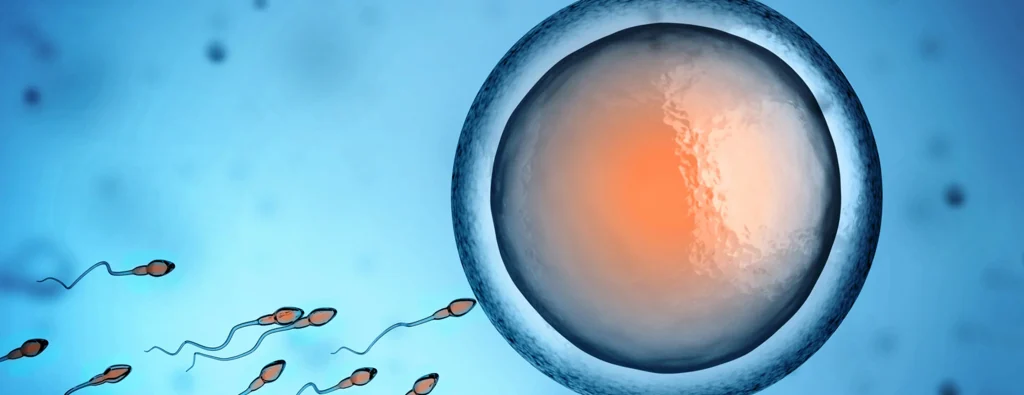
The Role of Stress in Varicocele and Male Infertility
Furthermore, stress can also affect sexual function and performance, leading to difficulties with ejaculation or erectile dysfunction. This can make it more challenging for couples to conceive, as sexual intercourse is necessary for fertilization to occur.
Managing Stress for Improved Fertility Outcomes
While stress may play a role in varicocele and male infertility, the good news is that it is a modifiable risk factor. By managing stress, men can potentially improve their fertility outcomes and overall reproductive health. Some strategies for managing stress include:
1. Exercise Regularly: Regular physical activity has been shown to reduce stress levels and improve overall well-being.
2. Practice Relaxation Techniques: Techniques such as deep breathing, meditation, and yoga can help reduce stress and promote relaxation.
3. Seek Support: Talking to a trusted friend, family member, or therapist can help reduce stress and improve mental health.
4. Eat a Balanced Diet: A healthy and balanced diet can help reduce stress levels and provide essential nutrients for reproductive health.
5. Get Enough Sleep: Chronic stress can often lead to sleep disturbances, so it is crucial to prioritize getting enough restful sleep.
Conclusion
In conclusion, while varicocele is a common cause of male infertility, stress is often overlooked as a contributing factor. However, numerous studies have shown a correlation between stress and varicocele, and managing stress can potentially improve fertility outcomes. By incorporating stress-reducing techniques and living a healthy lifestyle, men can take steps to improve their reproductive health and potentially increase their chances of conceiving.
Summary: Varicocele is a condition in which the veins in a man’s scrotum become enlarged and swollen, potentially affecting fertility. While there are several known risk factors for varicocele, one that is often overlooked is stress. Studies have shown a correlation between stress and varicocele, and managing stress can potentially improve fertility outcomes. Strategies for managing stress include regular exercise, relaxation techniques, seeking support, healthy eating, and getting enough sleep.