As we continue to learn more about male fertility, one condition that has gained attention is varicocele. Varicocele is a medical condition where the veins in the scrotum become enlarged and dilated, causing a decrease in blood flow and potentially impacting fertility. In fact, it is estimated that varicocele is responsible for 40% of male infertility cases. This condition can be quite common, with about 15% of men experiencing it at some point in their lives. In this blog post, we will explore the impact of varicocele on male fertility and what you need to know about this condition.
Understanding Varicocele:
Varicocele is a condition that occurs when the veins that are responsible for draining blood from the testicles become enlarged and dilated. This leads to a pooling of blood in the scrotum, causing an increase in temperature and pressure. The increase in temperature can affect sperm production and function, while the increased pressure can cause damage to the testicles. This can ultimately result in reduced sperm count, poor sperm quality, and even complete infertility.
Causes and Risk Factors:
While the exact cause of varicocele is still unknown, there are certain factors that may increase the risk of developing this condition. These include genetics, hormonal imbalances, and lifestyle factors such as smoking and excessive alcohol consumption. It is also more commonly seen in men between the ages of 15 and 25, and in those who have a family history of varicocele.
Symptoms and Diagnosis:
In many cases, varicocele may not show any symptoms and may only be discovered during a routine physical exam or fertility evaluation. However, some men may experience pain or discomfort in the scrotum, swelling, and a feeling of heaviness or fullness. If you are experiencing any of these symptoms, it is important to consult a doctor for a proper diagnosis. A physical exam, ultrasound, and semen analysis are some of the common methods used to diagnose varicocele.
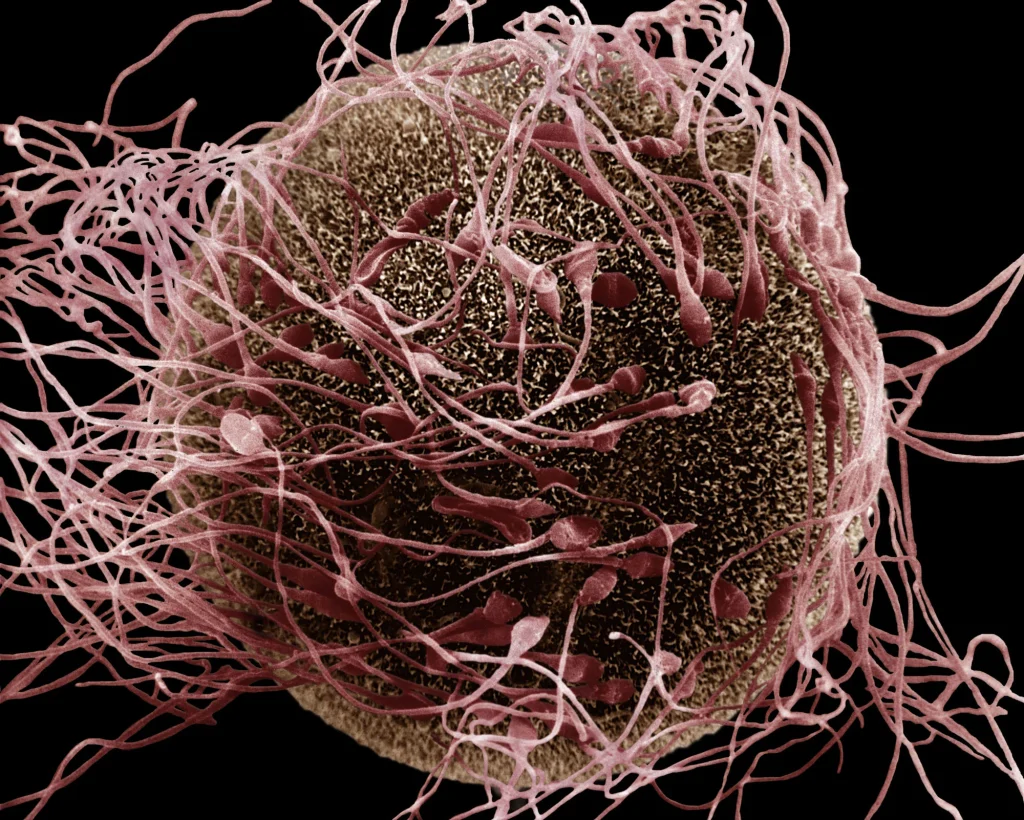
The Impact of Varicocele on Male Fertility: What You Need to Know
Impact on Male Fertility:
Varicocele can significantly impact male fertility in a variety of ways. Firstly, the increase in temperature in the scrotum can affect sperm production and cause them to be less motile. This means that they may have a harder time reaching the egg for fertilization. Secondly, the increased pressure from the pooled blood can damage the testicles and affect their ability to produce healthy sperm. Lastly, varicocele can also lead to hormonal imbalances, which can further contribute to fertility issues.
Treatment Options:
The good news is that varicocele can be treated, and in most cases, fertility can be restored. The most common treatment option is surgery, where the affected veins are either removed or redirected, allowing for better blood flow. This procedure is typically done on an outpatient basis and has a high success rate in improving fertility. Other options include embolization, where a small tube is inserted into the affected vein to block it off, and assisted reproductive techniques such as in vitro fertilization (IVF).
Prevention:
While varicocele may not be completely preventable, there are certain steps you can take to reduce your risk. Maintaining a healthy lifestyle, avoiding excessive heat in the genital area, and wearing supportive underwear can all help in preventing the onset of varicocele. It is also important to consult a doctor if you experience any symptoms or have a family history of varicocele.
In conclusion, varicocele is a common condition that can significantly impact male fertility. Understanding the causes, symptoms, and treatment options can help men take proactive steps in managing this condition. If you are experiencing any symptoms or are concerned about your fertility, it is important to consult a doctor for proper diagnosis and treatment. With the right approach, varicocele can be successfully managed, and fertility can be restored.