Blog Post Title: Sperm Health and Nutrition: Key Vitamins and Minerals for Fertility
Summary:
When it comes to fertility, it is often overlooked that both male and female partners play an important role in conception. In recent years, there has been a growing concern about male infertility and its impact on couples struggling to conceive. One of the major factors contributing to male infertility is the health and nutrition of sperm. In this blog post, we will explore the key vitamins and minerals that are essential for sperm health and fertility.
Vitamin C:
Vitamin C is a powerful antioxidant that helps protect sperm from oxidative damage. It plays a crucial role in sperm development and motility. Studies have shown that vitamin C supplementation can improve sperm count, motility, and morphology. Good sources of vitamin C include citrus fruits, berries, kiwi, bell peppers, and dark leafy greens.
Vitamin D:
Vitamin D deficiency has been linked to low sperm count and poor sperm motility. This essential vitamin helps regulate testosterone levels, which is crucial for sperm production. Studies have also shown that vitamin D supplementation can improve sperm quality and increase pregnancy rates. Foods rich in vitamin D include fatty fish, egg yolks, and fortified dairy products.
Vitamin E:
Vitamin E is another powerful antioxidant that helps protect sperm from oxidative damage. It also plays a crucial role in sperm development and motility. Studies have shown that vitamin E supplementation can improve sperm count, motility, and morphology. Good sources of vitamin E include nuts, seeds, avocados, and leafy greens.
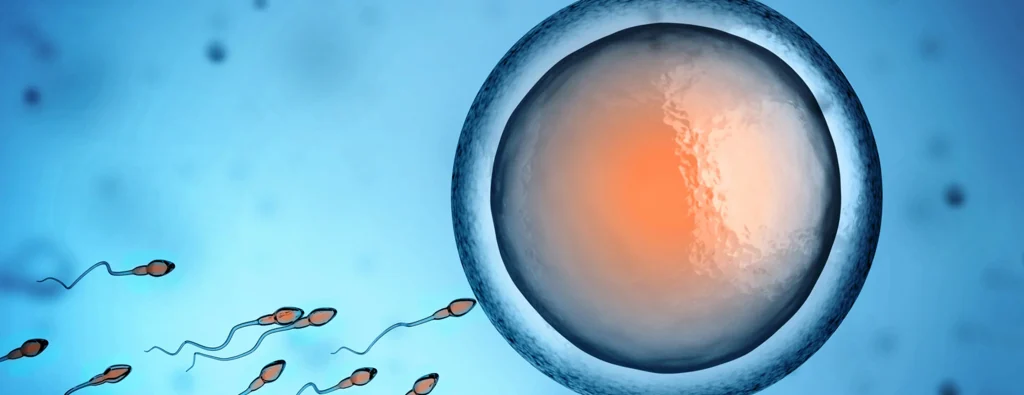
Sperm Health and Nutrition: Key Vitamins and Minerals for Fertility
Zinc:
Zinc is a mineral that is crucial for male reproductive health. It plays a key role in sperm development, testosterone production, and sperm motility. Studies have shown that zinc deficiency can lead to low sperm count and poor sperm quality. Foods rich in zinc include oysters, red meat, poultry, beans, and nuts.
Selenium:
Selenium is another essential mineral for sperm health and fertility. It helps protect sperm from oxidative damage and plays a crucial role in sperm development and motility. Studies have shown that selenium supplementation can improve sperm count, motility, and morphology. Good sources of selenium include Brazil nuts, seafood, and whole grains.
Folate:
Folate, also known as vitamin B9, is important for sperm health as it helps with DNA synthesis and repair. Studies have shown that folate deficiency can lead to sperm abnormalities and reduce sperm count. Good sources of folate include dark leafy greens, legumes, and fortified grains.
Omega-3 Fatty Acids:
Omega-3 fatty acids are essential for sperm health and fertility. They help regulate sperm membrane fluidity, which is crucial for sperm motility. Studies have shown that omega-3 fatty acid supplementation can improve sperm count, motility, and morphology. Good sources of omega-3 fatty acids include fatty fish, flaxseeds, chia seeds, and walnuts.
In addition to these key vitamins and minerals, a healthy and balanced diet is crucial for overall sperm health and fertility. It is also important to reduce or eliminate unhealthy habits such as smoking, excessive alcohol consumption, and drug use, as they can have a negative impact on sperm health.
In conclusion, proper nutrition is crucial for sperm health and fertility. Incorporating these key vitamins and minerals into your diet, along with a healthy lifestyle, can help improve sperm quality and increase the chances of conception. If you and your partner are struggling with infertility, it is important to consult with a healthcare professional for personalized advice and guidance.