From Testosterone to Sperm: How Hormonal Imbalance Can Affect Male Fertility
When we think about fertility and reproduction, we often focus on the female side of things. However, male fertility is just as important in the process of creating new life. And one crucial factor that can greatly impact male fertility is hormonal imbalance.
In this blog post, we’ll take a closer look at the role of hormones in male fertility and how an imbalance can affect a man’s ability to father a child. We’ll also explore the potential causes of hormonal imbalance and the steps that can be taken to improve fertility.
Understanding Hormones and Male Fertility
Hormones are chemical messengers in the body that regulate various bodily functions, including reproduction. In men, the main hormone responsible for fertility is testosterone. This hormone is produced in the testes and is responsible for the development of male reproductive organs, sperm production, and sex drive.
Testosterone plays a crucial role in male fertility, but it’s not the only hormone involved. Follicle-stimulating hormone (FSH) and luteinizing hormone (LH) are also important in the production of sperm. FSH stimulates the testes to produce sperm, while LH stimulates the production of testosterone. When these hormones are out of balance, it can lead to fertility issues.
Impact of Hormonal Imbalance on Male Fertility
Hormonal imbalance can have a significant impact on male fertility. When testosterone levels are too low, it can affect sperm production, leading to a decrease in the number and quality of sperm. This can make it more difficult for a man to impregnate his partner.
On the other hand, when testosterone levels are too high, it can lead to a decrease in sperm production and an increase in abnormal sperm. This can also make it challenging to conceive.
In addition to affecting sperm production, hormonal imbalance can also impact a man’s sex drive and erectile function, making it difficult to engage in sexual activity and potentially hindering conception.
Causes of Hormonal Imbalance in Men
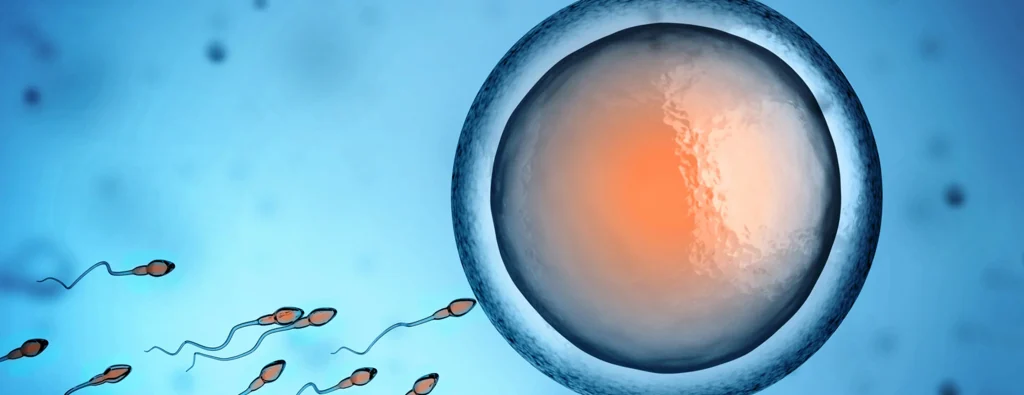
From Testosterone to Sperm: How Hormonal Imbalance Can Affect Male Fertility
There are several potential causes of hormonal imbalance in men. One of the most common is age. As men age, their testosterone levels tend to decrease, leading to a decline in fertility. Other factors that can contribute to hormonal imbalance include obesity, certain medications, and underlying medical conditions such as thyroid disorders or pituitary gland issues.
Lifestyle choices can also play a role in hormonal balance. Excessive alcohol consumption, smoking, and a poor diet can all affect hormone levels and contribute to fertility issues.
Improving Fertility Through Hormone Therapy
If a man is struggling with fertility issues due to hormonal imbalance, hormone therapy may be recommended. This treatment involves using medications or supplements to regulate hormone levels and improve fertility.
Testosterone replacement therapy is a common form of hormone therapy for men with low testosterone levels. This treatment can help increase sperm production and improve fertility. FSH and LH injections may also be prescribed to stimulate sperm production in men with low levels of these hormones.
In addition to hormone therapy, making lifestyle changes can also help improve fertility. Maintaining a healthy weight, exercising regularly, and eating a balanced diet can all contribute to balancing hormone levels and promoting fertility.
Conclusion
Hormonal imbalance can have a significant impact on male fertility, affecting sperm production, sex drive, and erectile function. By understanding the role of hormones in fertility and addressing any imbalances, men can take steps to improve their chances of conceiving.
If you or your partner are struggling with fertility issues, it’s essential to consult with a doctor to determine the underlying cause and discuss potential treatment options. By addressing hormonal imbalance and making lifestyle changes, men can take control of their fertility and increase their chances of starting a family.
Summary:
Hormonal imbalance can significantly impact male fertility, as hormones such as testosterone, FSH, and LH are crucial for sperm production and reproductive function. Factors such as age, lifestyle choices, and underlying medical conditions can contribute to hormonal imbalance. Hormone therapy and lifestyle changes can help improve fertility and increase the chances of conception.