Blog Post Title: The Impact of Male Age on Sperm Motility: What You Need to Know
Sperm motility, or the ability of sperm to swim and fertilize an egg, is a crucial factor in male fertility. However, many people are unaware of the significant impact that age can have on sperm motility. While it is a well-known fact that female age can affect fertility and pregnancy outcomes, the effects of male age on sperm quality and quantity are often overlooked. In this blog post, we will explore the various ways in which male age can influence sperm motility and what this means for couples trying to conceive.
The Basics of Sperm Motility
Before delving into the effects of male age on sperm motility, it is essential to understand the basics of this vital aspect of male fertility. Sperm motility refers to the ability of sperm to move and swim through the female reproductive tract to reach and fertilize an egg. It is crucial for successful conception and is measured as the percentage of sperm that are moving in a forward direction.
Sperm motility is further divided into two types: progressive motility and non-progressive motility. Progressive motility refers to the sperm’s ability to move in a straight line, while non-progressive motility refers to movement in a non-linear or sluggish manner. Both types of motility are essential for fertilization, with progressive motility being the more critical factor.
The Effects of Age on Sperm Motility
While sperm production begins at puberty, the quality and quantity of sperm can decline with age. This decline is due to various factors such as changes in hormone levels, lifestyle habits, and genetic changes. As men age, their sperm motility decreases, making it more challenging to conceive naturally. Below are the ways in which male age can affect sperm motility.
Decrease in Sperm Count
Research has shown that sperm count decreases as men age. A study published in the Journal of Urology found that men over the age of 50 had significantly lower sperm counts than younger men. This decline in sperm count can also lead to a decrease in sperm motility, making it more challenging to conceive.
Decrease in Sperm Quality
Along with a decrease in sperm quantity, male age can also affect sperm quality. As men get older, the sperm’s DNA can become damaged, leading to a decrease in sperm function and motility. This damage can be caused by various factors such as oxidative stress, environmental toxins, and lifestyle habits like smoking and excessive alcohol consumption.
Changes in Hormone Levels
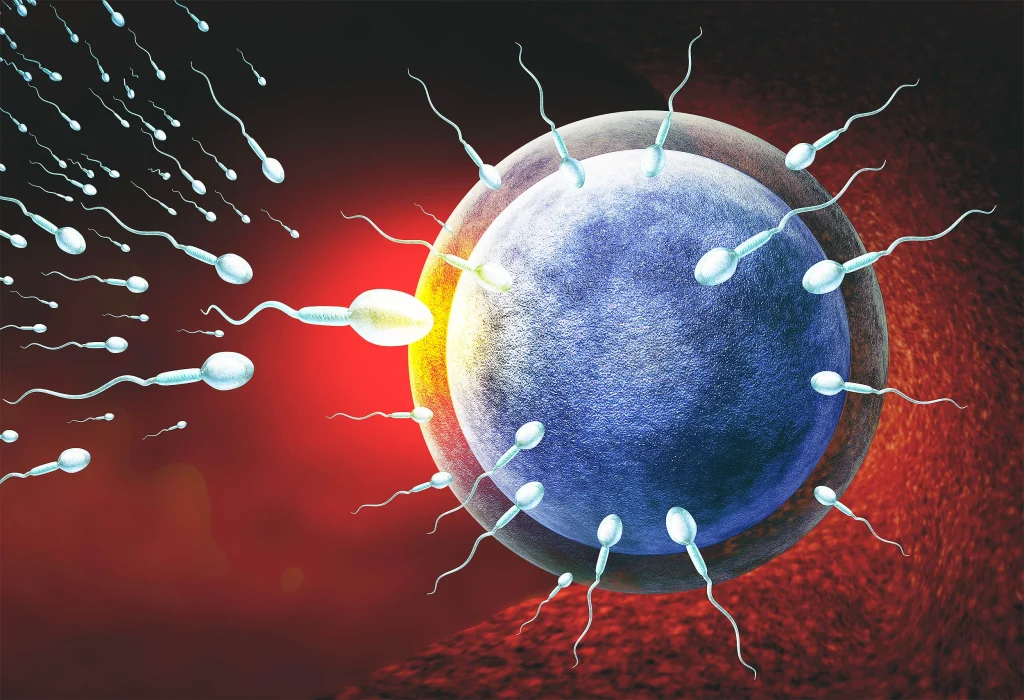
The Effects of Male Age on Sperm Motility
Hormonal changes are a natural part of aging, and these changes can also affect sperm motility. Testosterone, the primary male sex hormone, plays a crucial role in sperm production, and its levels can decline as men age. This decline can lead to a decrease in sperm motility and function.
Lifestyle Factors
Lifestyle factors such as diet, exercise, and stress can also influence sperm motility. As men age, they may be more likely to engage in unhealthy habits such as poor diet, lack of exercise, and high levels of stress, all of which can negatively impact sperm quality and motility.
Genetic Changes
As men age, there can also be genetic changes that affect sperm motility. These changes can lead to abnormalities in sperm, making it more challenging for them to swim and fertilize an egg. Genetic factors can also contribute to conditions such as varicoceles, which can decrease sperm motility and fertility.
The Impact on Fertility and Pregnancy Outcomes
The decline in sperm motility and quality with age can have a significant impact on fertility and pregnancy outcomes. As sperm motility decreases, the chances of fertilization and successful pregnancy also decrease. This decline in sperm motility can also lead to an increased risk of genetic abnormalities in offspring and a higher likelihood of miscarriage.
What Can Be Done?
While male age is a significant factor in sperm motility, there are steps that men can take to improve their sperm quality and motility. Adopting a healthy lifestyle, including a balanced diet, regular exercise, and stress management, can improve sperm quality and motility. Quitting unhealthy habits such as smoking and excessive drinking can also have a positive impact on sperm motility.
In some cases, medical interventions such as hormone therapy or assisted reproductive techniques may be recommended to improve sperm motility and increase fertility.
Summary:
Male age can significantly affect sperm motility, which is essential for successful conception. As men age, there is a natural decline in sperm quality and quantity, leading to a decrease in sperm motility. This decline is caused by various factors such as changes in hormone levels, lifestyle habits, and genetic changes. The decrease in sperm motility can have a significant impact on fertility and pregnancy outcomes. However, adopting a healthy lifestyle and seeking medical interventions can help improve sperm quality and motility.