The Surprising Truth About Sperm Health and IVF
In recent years, there has been a significant rise in the number of couples turning to in vitro fertilization (IVF) as a means of conceiving a child. This assisted reproductive technology has helped millions of couples worldwide overcome fertility challenges and start families of their own. However, there is still a lot of misinformation and misconceptions surrounding IVF, particularly when it comes to sperm health.
Many people believe that IVF is a straightforward process that only requires a healthy egg and sperm to be successful. While a healthy egg is crucial, the role of sperm health in the success of IVF is often overlooked. In this blog post, we will explore the surprising truth about sperm health and its impact on IVF.
The Importance of Sperm Health in IVF
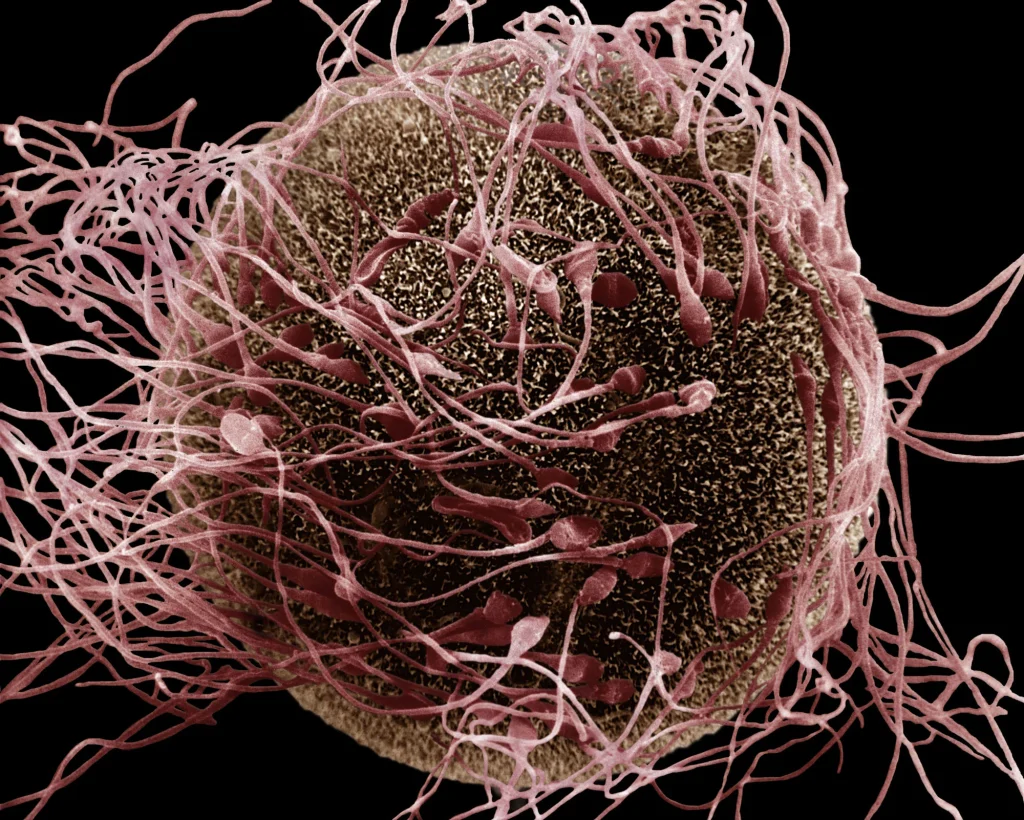
When it comes to fertility, the focus is often on the woman’s reproductive health. However, sperm plays a vital role in the conception process, and its quality can significantly impact the success of IVF. Sperm health is determined by three main factors: sperm count, motility, and morphology.
Sperm count refers to the number of sperm present in a given sample, and it is crucial for successful fertilization. A low sperm count can make it difficult for sperm to reach and fertilize an egg, resulting in a lower chance of successful IVF. Motility, on the other hand, refers to the sperm’s ability to swim and move towards the egg. Sperm with poor motility may struggle to reach the egg, making fertilization challenging. Lastly, sperm morphology refers to the shape and structure of sperm. Abnormalities in sperm morphology can also affect its ability to reach and fertilize the egg.
The Role of Lifestyle Factors in Sperm Health
Many lifestyle factors can affect sperm health, including diet, exercise, and environmental exposures. Unhealthy eating habits, such as a diet high in processed foods and refined sugars, can lead to inflammation and oxidative stress, which can damage sperm cells. Lack of exercise and sedentary lifestyles have also been associated with lower sperm counts and decreased sperm motility.
Environmental exposures to chemicals and toxins can also have a significant impact on sperm health. Exposure to pesticides, heavy metals, and plasticizers has been linked to decreased sperm quality and fertility issues in men. Additionally, smoking and excessive alcohol consumption have been shown to have a negative impact on sperm health.
The Surprising Truth About Sperm Health and IVF
The Surprising Link Between Stress and Sperm Health
Stress is a common factor in many people’s lives, and it can have a significant impact on overall health. However, a surprising connection has been found between stress and sperm health. Studies have shown that stress can reduce sperm quality, including sperm count, motility, and morphology.
Chronic stress can lead to hormonal imbalances, which can affect the production and quality of sperm. It can also lead to inflammation and oxidative stress, which can damage sperm cells. Furthermore, stress can also cause changes in behavior, such as smoking and excessive drinking, which can further impact sperm health.
The Impact of Aging on Sperm Health and IVF
While age is often associated with female fertility, it can also play a role in male fertility. As men age, their sperm quality and quantity can decline. This decline is due to a decrease in testosterone levels, which can lead to a decrease in sperm production. Additionally, older sperm can have more DNA damage, which can affect the success of IVF.
Studies have shown that men over the age of 35 may have a lower chance of success with IVF, and this decreases further as they age. This is because older sperm may have a harder time fertilizing an egg, leading to a lower success rate in IVF. It is essential for couples considering IVF to be aware of the impact of age on sperm health and consider sperm health evaluations before undergoing the procedure.
Improving Sperm Health for Successful IVF
The good news is that there are steps men can take to improve their sperm health and increase their chances of successful IVF. Maintaining a healthy lifestyle, including a balanced diet, regular exercise, and avoiding harmful exposures, can significantly impact sperm health. Additionally, managing stress through methods like exercise, meditation, and therapy can also improve sperm quality.
In some cases, medical interventions may be necessary to improve sperm health. These can include hormone therapy, surgery, or medications to address underlying health conditions that may be affecting sperm production and quality. It is crucial for couples undergoing IVF to work closely with a fertility specialist to assess and address any potential sperm health issues.
In conclusion, the surprising truth about sperm health and IVF is that it plays a significant role in the success of the procedure. Sperm count, motility, and morphology are essential factors that can impact the fertilization process and ultimately, the chances of conceiving a child through IVF. Lifestyle factors, stress, and age can all affect sperm health, but there are steps that can be taken to improve it. By understanding and addressing sperm health, couples can increase their chances of successful IVF and starting the family they have always dreamed of.