Blog Post:
Sperm health is an important factor in fertility and conception. When it comes to pregnancy, one of the most devastating occurrences is a miscarriage. Miscarriage is defined as the loss of a pregnancy before the 20th week, and it affects around 10-20% of all pregnancies. While there are various reasons for miscarriage, one factor that has been gaining attention is oxidative stress and its impact on sperm health and pregnancy. In this blog post, we will explore the role of oxidative stress in male infertility, its connection to miscarriage, and the importance of antioxidants in improving sperm health and reducing the risk of miscarriage.
What is Oxidative Stress and How Does it Affect Sperm Health?
Oxidative stress is a natural process that occurs in the body when there is an imbalance between free radicals and antioxidants. Free radicals are unstable molecules that can damage cells, DNA, and tissues in the body. Antioxidants, on the other hand, are molecules that neutralize free radicals and protect the body from their harmful effects.
In the male reproductive system, oxidative stress can cause damage to sperm cells, leading to poor sperm quality and reduced sperm count. This can result in male infertility and make it difficult for couples to conceive. In fact, studies have shown that oxidative stress is involved in up to 30% of male infertility cases.
Factors that Contribute to Oxidative Stress in Men
There are several factors that can contribute to oxidative stress in men, including:
1. Aging: As men age, the natural defense mechanisms against oxidative stress decline, making them more vulnerable to its effects.
2. Unhealthy lifestyle choices: Habits such as smoking, excessive alcohol consumption, and a poor diet can increase the production of free radicals in the body.
3. Environmental toxins: Exposure to environmental toxins such as pollution, pesticides, and radiation can also contribute to oxidative stress.
4. Medical conditions: Certain medical conditions, such as diabetes, obesity, and infections, can increase oxidative stress in the body.
Oxidative Stress and Miscarriage
While oxidative stress can have a significant impact on male fertility, it can also affect the success of a pregnancy. Research has shown that oxidative stress can lead to DNA damage in sperm, which can increase the risk of miscarriage. This is because the damaged DNA can be passed on to the embryo, leading to developmental abnormalities and potential miscarriage.
Furthermore, oxidative stress can also affect the health of the placenta, which provides essential nutrients and oxygen to the developing fetus. If the placenta is damaged due to oxidative stress, it can result in pregnancy complications and increase the risk of miscarriage.
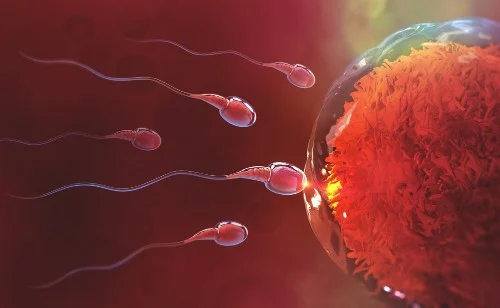
Sperm Health and Miscarriage: The Role of Oxidative Stress and Antioxidants
The Role of Antioxidants in Improving Sperm Health and Reducing Miscarriage Risk
Antioxidants play a crucial role in protecting the body from oxidative stress. They can neutralize free radicals and prevent damage to cells and tissues. When it comes to male fertility and miscarriage, antioxidants can improve sperm health and reduce the risk of miscarriage.
Studies have shown that supplementing with antioxidants can improve sperm quality, including sperm count, motility, and morphology. This can increase the chances of conception and reduce the risk of male infertility. Additionally, antioxidants can also improve the health of the sperm DNA, reducing the risk of miscarriage.
Moreover, antioxidants can also improve the health of the placenta and reduce the risk of pregnancy complications. This can have a positive impact on the success of the pregnancy and reduce the chances of miscarriage.
Best Antioxidants for Sperm Health and Miscarriage Prevention
Some of the best antioxidants for sperm health and preventing miscarriage include:
1. Vitamin C: This powerful antioxidant can protect sperm cells from oxidative stress and improve sperm quality.
2. Vitamin E: This fat-soluble vitamin can protect sperm cells from oxidative damage and improve sperm motility.
3. Coenzyme Q10: This antioxidant can improve sperm motility and reduce the risk of DNA damage in sperm.
4. Selenium: This mineral can improve sperm quality and reduce the risk of miscarriage.
5. Lycopene: This antioxidant found in tomatoes can improve sperm quality and protect against DNA damage.
In addition to these antioxidants, a diet rich in fruits, vegetables, and whole grains can also provide a good source of antioxidants and reduce oxidative stress in the body.
Conclusion
In summary, oxidative stress plays a significant role in male infertility and miscarriage. It can damage sperm cells and affect the success of a pregnancy. However, by incorporating antioxidants into the diet, men can improve their sperm health and reduce the risk of miscarriage. It is essential to make healthy lifestyle choices and consult with a healthcare professional to determine the best antioxidant supplements for individual needs. By taking care of sperm health and reducing oxidative stress, couples can improve their chances of conception and have a healthier pregnancy.