Blog Post:
The Impact of Age on Sperm Health and Miscarriage Risk
Sperm health and miscarriage risk are two important aspects of reproductive health that can be affected by age. As men age, their sperm quality and quantity may decline, which can increase the chances of miscarriage. In this blog post, we will explore the impact of age on sperm health and how it can affect the risk of miscarriage.
Sperm Health and Age
Sperm health refers to the quality and quantity of sperm produced by a man. Sperm quality is determined by factors such as sperm count, motility (ability to move), and morphology (shape and size). As men age, these factors may be affected, leading to a decline in sperm health.
The decline in sperm health with age is a natural process, known as sperm senescence. It is caused by various factors, including changes in hormone levels, increased oxidative stress, and DNA damage. Studies have shown that men over the age of 40 are more likely to have lower sperm quality compared to younger men.
The Impact of Age on Sperm Quantity
Sperm quantity, also known as sperm count, is a measure of the number of sperm in a man’s ejaculate. A low sperm count is a common cause of male infertility. As men age, their sperm count tends to decrease. In fact, research has shown that men over the age of 40 have a 30% lower sperm count compared to men in their 20s.
The decline in sperm quantity with age is thought to be due to a decrease in testosterone levels and an increase in oxidative stress. Testosterone is a hormone that plays a crucial role in sperm production, and its levels tend to decline with age. Oxidative stress, on the other hand, is caused by an imbalance between free radicals and antioxidants in the body, which can lead to sperm damage and a decrease in sperm quantity.
The Impact of Age on Sperm Quality
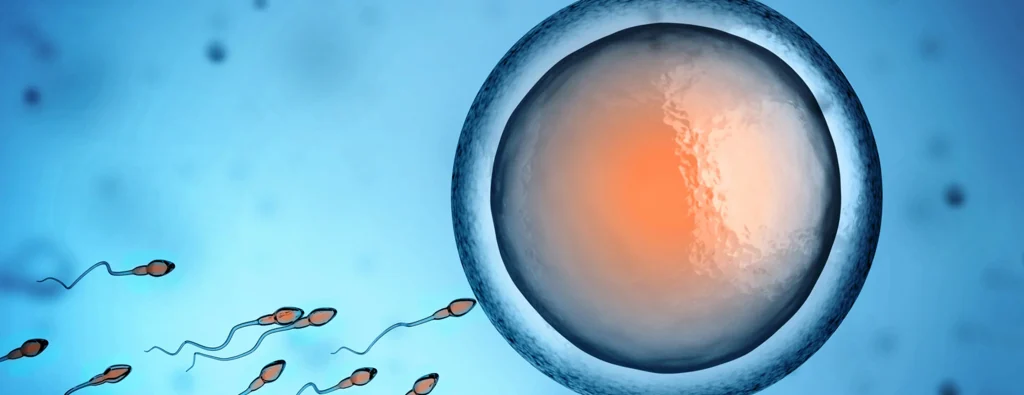
The Impact of Age on Sperm Health and Miscarriage Risk
Sperm quality is another important factor in male fertility. As men age, their sperm may have a higher percentage of abnormal sperm, which can affect their ability to fertilize an egg. Studies have shown that men over the age of 40 are more likely to have sperm with DNA damage and abnormal morphology compared to younger men.
The decline in sperm quality with age is thought to be due to various factors, including oxidative stress, hormonal changes, and lifestyle factors such as smoking and alcohol consumption. These factors can affect sperm production, maturation, and function, leading to a decline in sperm quality.
Miscarriage Risk and Age
Miscarriage is the loss of a pregnancy before the 20th week, and it is a common occurrence, affecting about 10-20% of all pregnancies. While most miscarriages are caused by genetic abnormalities in the embryo, the age of the father can also play a role.
Research has shown that men over the age of 35 have a higher risk of miscarriage compared to younger men. This is thought to be due to the decline in sperm quality and quantity with age. As mentioned earlier, sperm with DNA damage and abnormal morphology can affect their ability to fertilize an egg, leading to an increased risk of miscarriage.
Furthermore, advanced paternal age has also been linked to an increased risk of pregnancy complications such as preeclampsia and gestational diabetes. These conditions can also increase the chances of miscarriage.
Conclusion
In conclusion, age can have a significant impact on sperm health and miscarriage risk. As men age, their sperm quality and quantity may decline, which can affect their fertility and increase the chances of miscarriage. It is essential for men to be aware of these potential risks and take steps to maintain their reproductive health as they age.
Some ways to improve sperm health and reduce the risk of miscarriage include maintaining a healthy diet, exercising regularly, avoiding harmful substances such as tobacco and excessive alcohol, and managing stress levels. It is also important for men to undergo regular check-ups with their healthcare provider and discuss any concerns about their reproductive health.
In summary, the decline in sperm health and the increased risk of miscarriage with age highlights the importance of maintaining good overall health and taking proactive steps to preserve fertility. By understanding the impact of age on sperm health, men can take control of their reproductive health and make informed decisions about their future.