Blog Post: Sperm Health and Pregnancy: The Impact of Smoking and Alcohol Consumption
When it comes to fertility and pregnancy, the focus is often on the woman’s health and lifestyle. However, it takes two to make a baby, and the quality of the man’s sperm can play a significant role in the ability to conceive. In recent years, there has been a growing concern about the impact of smoking and alcohol consumption on sperm health and its effects on pregnancy. In this blog post, we will delve into the science behind sperm health, the effects of smoking and alcohol consumption on sperm, and how it can affect pregnancy.
Understanding Sperm Health
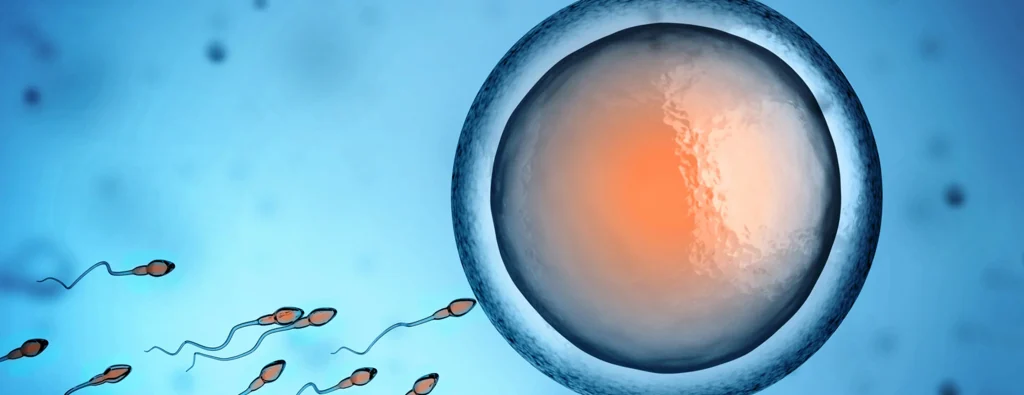
Before we dive into the impact of smoking and alcohol on sperm health, it is essential to understand what constitutes healthy sperm. Sperm is the male reproductive cell responsible for fertilizing the female egg and is produced in the testicles. Sperm health is determined by several factors, including sperm count, motility (the ability to swim), and morphology (shape and size of the sperm). For a man to be considered fertile, he must have at least 15 million sperm per milliliter of semen, with at least 32% of them showing good motility and morphology.
The Effects of Smoking on Sperm Health
Smoking is a well-known habit that can have detrimental effects on overall health. However, it can also have a significant impact on sperm health. Studies have shown that men who smoke have a lower sperm count and a higher percentage of abnormal sperm. The toxic chemicals in cigarettes, such as nicotine and carbon monoxide, can damage the DNA of sperm, affecting its quality and ability to fertilize an egg. Smoking can also decrease sperm motility, making it harder for the sperm to reach and fertilize the egg.
The Effects of Alcohol on Sperm Health
Excessive alcohol consumption has also been linked to poor sperm health. Alcohol can affect the production of testosterone, which is essential for sperm production. It can also cause hormonal imbalances, leading to a decrease in sperm count and motility. Additionally, alcohol can affect the liver, which plays a crucial role in regulating hormone levels and removing toxins from the body. This can have a direct impact on sperm quality.
Sperm Health and Pregnancy: The Impact of Smoking and Alcohol Consumption
The Impact of Smoking and Alcohol on Pregnancy
Smoking and alcohol consumption not only affect sperm health but can also have a significant impact on pregnancy. Studies have shown that smoking and alcohol consumption can lead to an increased risk of miscarriage, premature birth, and low birth weight. This is because the toxins in cigarettes and alcohol can pass through the placenta to the developing fetus, potentially causing harm.
Furthermore, smoking and alcohol consumption can also affect the quality of the sperm DNA, which can lead to genetic abnormalities in the baby. These abnormalities can cause birth defects and increase the risk of childhood illnesses.
Can Sperm Health Be Improved?
The good news is that sperm health can be improved by making lifestyle changes. Quitting smoking and reducing alcohol consumption can have a positive effect on sperm quality. Studies have shown that men who quit smoking have a significant improvement in sperm count, motility, and morphology. Reducing alcohol intake can also lead to an increase in sperm count and motility.
In addition to making lifestyle changes, taking supplements and following a healthy diet can also improve sperm health. Antioxidants, such as vitamins C and E, can help protect sperm from DNA damage. Zinc and folic acid have also been found to improve sperm count and motility. Including foods rich in these nutrients, such as fruits, vegetables, whole grains, and nuts, can have a positive impact on sperm health.
Summary:
In summary, the quality of a man’s sperm can have a significant impact on pregnancy. Smoking and alcohol consumption can have detrimental effects on sperm health, leading to a decreased sperm count and motility, as well as an increased risk of genetic abnormalities in the baby. By making lifestyle changes, such as quitting smoking, reducing alcohol consumption, and following a healthy diet, sperm health can be improved. It is essential for both men and women to lead a healthy lifestyle when trying to conceive to increase the chances of a successful pregnancy.