The Connection Between Environmental Toxins and Male Infertility
In recent years, there has been a growing concern about the declining fertility rates in men. While there are many factors that can contribute to male infertility, one that is often overlooked is the impact of environmental toxins. Our environment is filled with a variety of chemicals and pollutants that can have harmful effects on our reproductive health. In this blog post, we will explore the connection between environmental toxins and male infertility, and what can be done to protect our fertility.
Understanding Male Infertility
Before we delve into the impact of environmental toxins, it is important to understand what male infertility is. Male infertility is a condition in which a man is unable to impregnate a woman after a year of trying. It is estimated that around 15% of couples struggle with infertility, and male factors contribute to about 40% of these cases. There are various causes of male infertility, including genetic factors, hormonal imbalances, and lifestyle choices. However, the role of environmental toxins in male infertility is often overlooked.
The Impact of Environmental Toxins on Male Fertility
Environmental toxins are substances found in our environment that can have negative effects on our health. These toxins can enter our bodies through various means, such as inhalation, ingestion, or absorption through the skin. They can disrupt the normal functioning of our hormones, damage our cells, and cause inflammation, all of which can have a significant impact on male fertility.
One of the main ways in which environmental toxins affect male fertility is by disrupting the endocrine system. The endocrine system is responsible for producing hormones that regulate various bodily functions, including reproductive health. Exposure to environmental toxins can disrupt the production and function of these hormones, leading to hormonal imbalances that can affect sperm production and quality.
Another way in which environmental toxins can affect male fertility is by damaging sperm cells. Sperm are highly sensitive to environmental toxins, and exposure to these toxins can lead to DNA damage, reduced sperm motility, and abnormal sperm morphology. This can significantly decrease a man’s chances of impregnating a woman.
Common Environmental Toxins that Affect Male Fertility
There are numerous environmental toxins that can have a negative impact on male fertility. Some of the most common ones include:
1. Pesticides: Pesticides are chemicals used to kill pests and weeds in agriculture. They are often found on fruits and vegetables and can enter our bodies through ingestion. Studies have shown that exposure to pesticides can lead to lower sperm count, poor sperm quality, and hormonal imbalances.
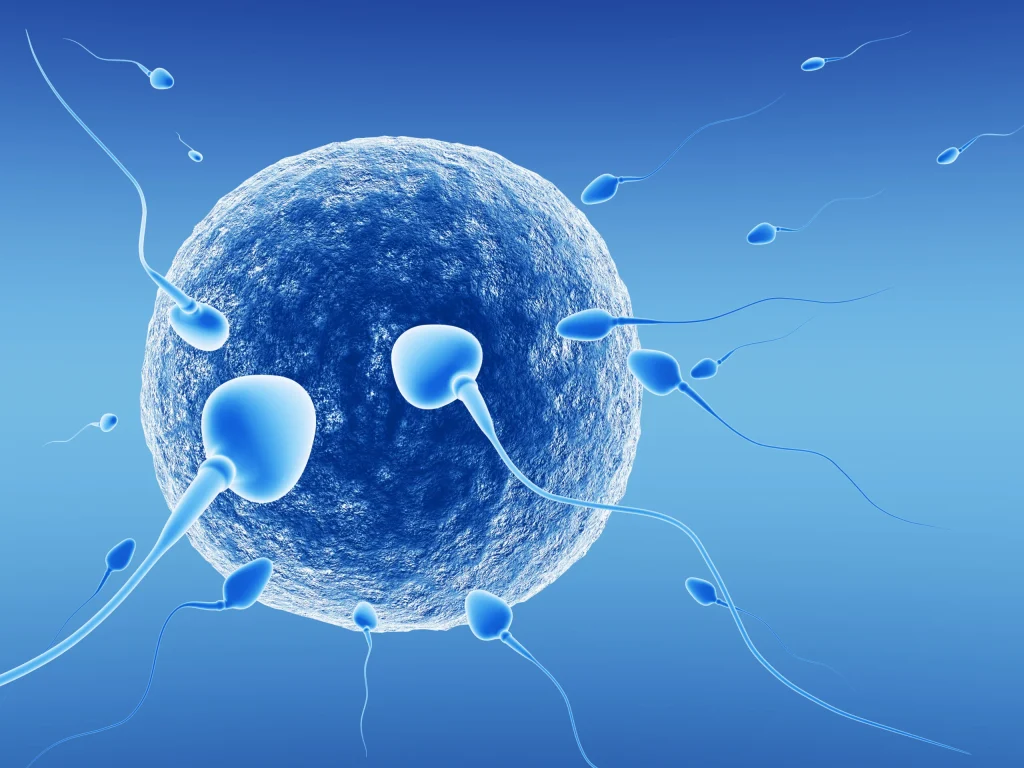
The Connection Between Environmental Toxins and Male Infertility
2. Plastics: Many plastic products contain chemicals such as bisphenol A (BPA) and phthalates, which are known endocrine disruptors. These chemicals can leach into our food and drinks, leading to hormonal imbalances and other reproductive health issues.
3. Air pollution: Air pollution is a major problem in many cities around the world. It contains a variety of chemicals and particles that can enter our bodies through inhalation. Studies have shown that exposure to air pollution can lead to DNA damage in sperm cells, which can affect fertility.
4. Heavy metals: Heavy metals such as lead, mercury, and cadmium are commonly found in our environment. They can enter our bodies through contaminated water, food, and air. These metals can accumulate in the body and cause damage to the reproductive organs, leading to fertility issues.
Protecting Male Fertility from Environmental Toxins
While it may seem overwhelming, there are steps that can be taken to protect male fertility from environmental toxins. Some of these include:
1. Choose organic produce: Choosing organic fruits and vegetables can reduce your exposure to pesticides.
2. Avoid plastic products: Whenever possible, opt for glass or stainless steel containers instead of plastic.
3. Use natural cleaning products: Many household cleaning products contain harmful chemicals. Switch to natural alternatives to reduce your exposure to toxins.
4. Avoid smoking and secondhand smoke: Cigarette smoke contains numerous toxins that can harm reproductive health.
5. Detoxify your body: Regularly detoxifying your body can help eliminate toxins and improve overall health.
Conclusion
In conclusion, there is a strong connection between environmental toxins and male infertility. These toxins can disrupt hormonal balance, damage sperm cells, and lead to a range of reproductive health issues. By being aware of the toxins in our environment and taking steps to reduce our exposure to them, we can protect our fertility and overall health.