Male infertility is a common but often overlooked issue that affects many couples trying to conceive. In fact, about one in every six couples trying to conceive will face some form of infertility, with male factor infertility accounting for about 30% of all infertility cases. Despite its prevalence, male infertility is still a sensitive and often stigmatized topic, which is why it’s important to have open and honest conversations with your doctor about it. If you or your partner are struggling with male infertility, here are some questions to ask your doctor to better understand the condition and your options for treatment.
1. What are the potential causes of male infertility?
There are many potential causes of male infertility, including hormonal imbalances, genetic disorders, and physical issues such as varicoceles or blockages in the reproductive system. Asking your doctor about the potential causes can help you understand the specific factors contributing to your infertility and guide your treatment plan.
2. How is male infertility diagnosed?
Your doctor will likely start by conducting a physical examination and asking about your medical history and lifestyle habits. They may also order a semen analysis to assess the quality and quantity of your sperm. In some cases, further testing such as hormone tests, genetic screenings, or imaging tests may be necessary. Understanding the diagnostic process can help you prepare for what to expect and stay informed throughout the process.
3. What lifestyle factors can affect male fertility?
While infertility is often caused by underlying medical conditions, certain lifestyle factors can also play a role. These may include smoking, excessive alcohol consumption, drug use, and exposure to environmental toxins. Asking your doctor about lifestyle factors that may be impacting your fertility can help you make necessary changes to improve your chances of conception.
4. What are the treatment options for male infertility?
The treatment options for male infertility will depend on the underlying cause. In some cases, lifestyle changes and medications may be enough to improve fertility. In other cases, more invasive treatments such as assisted reproductive technology (ART) or surgery may be necessary. Your doctor can discuss the various options with you and help you decide which is best for your specific situation.
5. How successful are fertility treatments for male infertility?
The success rates of fertility treatments vary depending on the cause of infertility and the chosen treatment method. It’s important to have realistic expectations and to understand that fertility treatments may not always result in a successful pregnancy. Your doctor can provide you with more specific information about success rates based on your individual circumstances.
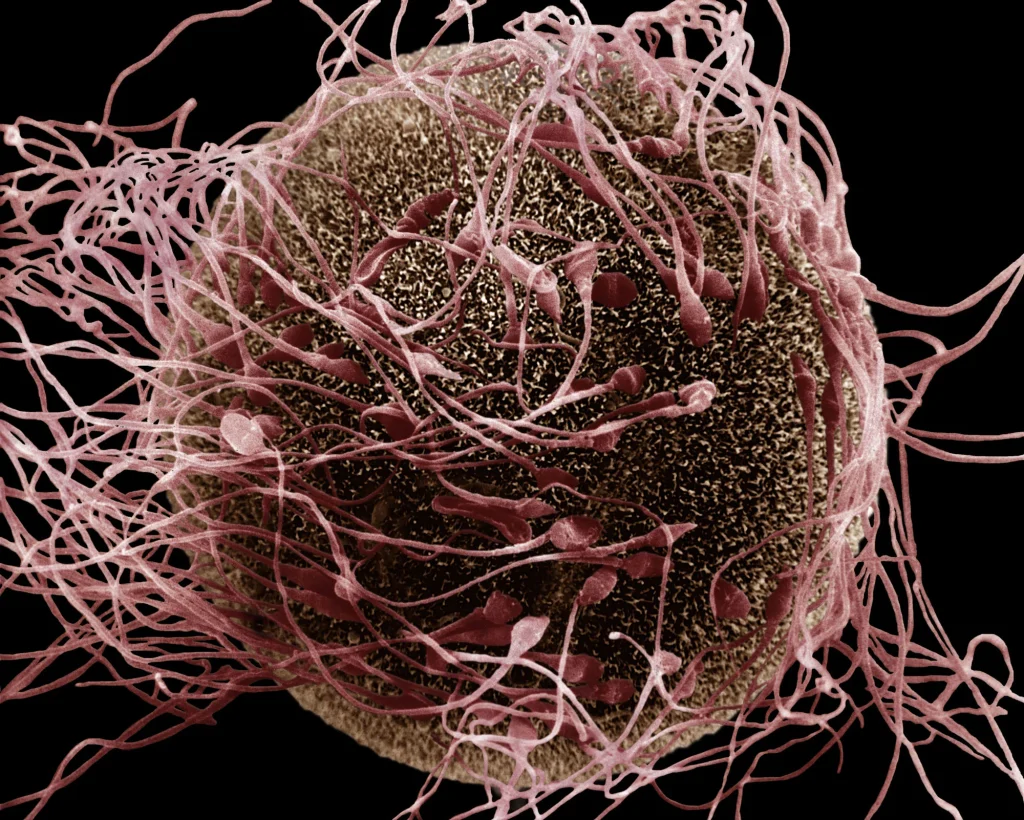
Questions to Ask Your Doctor About Male Infertility
6. Are there any potential side effects or risks associated with fertility treatments?
Some fertility treatments, particularly ART, may come with potential side effects or risks that you should be aware of. This can include multiple pregnancies, ovarian hyperstimulation syndrome, and increased risk of birth defects. Make sure to ask your doctor about potential risks associated with any recommended treatment and discuss any concerns you may have.
7. How long should we try fertility treatments before considering other options?
Fertility treatments can be physically, emotionally, and financially draining. It’s important to have open communication with your doctor about how long to continue trying treatments before considering alternative options like adoption or donor sperm. Your doctor can provide guidance based on your specific situation and help you make an informed decision.
8. Are there any lifestyle changes I can make to improve my fertility?
In some cases, simple lifestyle changes such as maintaining a healthy weight, reducing stress, and avoiding substances that can harm sperm can improve fertility. Ask your doctor about any specific recommendations they have for your lifestyle and how it can impact your fertility.
9. Is there anything I can do to improve the quality of my sperm?
Factors such as diet, exercise, and supplements may potentially improve the quality of sperm. Additionally, avoiding things like hot tubs, prolonged sitting, and wearing tight clothing can also help. Your doctor can provide specific recommendations based on your individual situation.
10. How can we support each other during this process?
Infertility can be a challenging and emotional journey for both partners. It’s important to have a support system in place, whether it’s through therapy, support groups, or simply being there for each other. Ask your doctor for resources or advice on how to best support each other during this difficult time.
In summary, male infertility is a common issue that can have a significant impact on a couple’s journey to parenthood. By asking your doctor these questions, you can gain a better understanding of the condition, its potential causes, and the available treatments. Remember to also take care of your mental and emotional well-being and to seek support when needed. With the right support and information, you and your partner can navigate through male infertility and hopefully achieve your goal of starting a family.