Blog Post:
Obesity has become a global epidemic, affecting millions of people around the world. It is a complex condition that is caused by a combination of genetic, environmental, and lifestyle factors. While most people are aware of the negative impact of obesity on overall health, many are not aware of its effects on sperm genetics. Recent studies have shown a clear link between obesity and sperm genetics, and understanding this link is crucial for both men’s reproductive health and the health of their future children.
To understand the link between obesity and sperm genetics, it is important to first understand the basics of sperm genetics. Sperm, also known as spermatozoa, are the male reproductive cells responsible for fertilizing the female egg. Each sperm cell contains 23 chromosomes, half of the number of chromosomes found in other cells of the body. These chromosomes carry genetic information that determines various traits, such as physical characteristics, behavior, and susceptibility to diseases.
Obesity has been found to affect the quality and quantity of sperm. A study published in the journal Human Reproduction showed that obese men had a lower sperm count and a higher percentage of abnormal sperm compared to men of a healthy weight. This is because obesity can disrupt the delicate balance of hormones in the body, leading to a decrease in testosterone levels and an increase in estrogen levels. Testosterone is essential for sperm production, while high levels of estrogen can negatively affect sperm quality.
Moreover, obesity can also cause oxidative stress in the body. Oxidative stress occurs when there is an imbalance between the production of free radicals and the body’s ability to neutralize them. Free radicals are unstable molecules that can damage cells, including sperm cells. Research has shown that obese men have higher levels of oxidative stress, which can lead to DNA damage in sperm. This can result in genetic mutations that can be passed on to future generations.
In addition to affecting sperm quality, obesity can also have an impact on sperm DNA methylation. DNA methylation is a process that regulates gene expression, and changes in this process can lead to various health conditions. A study published in the journal Environmental Epigenetics found that obesity was associated with changes in DNA methylation patterns in sperm cells. These changes were linked to an increased risk of obesity-related diseases in offspring, such as diabetes and cardiovascular disease.
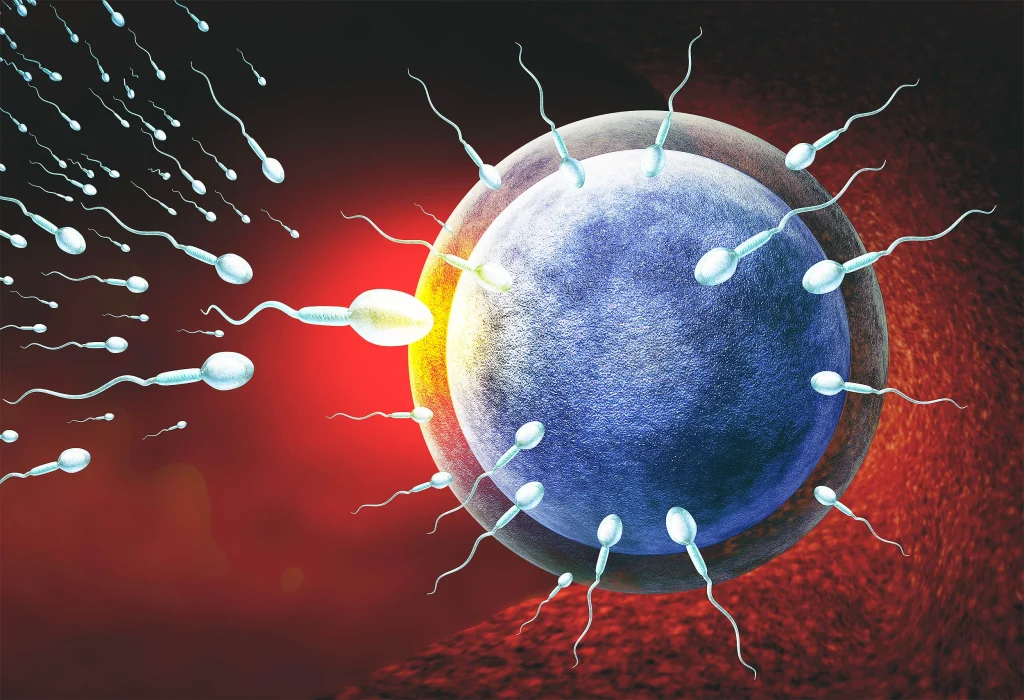
Understanding the Link Between Obesity and Sperm Genetics
Furthermore, obesity can also affect the development of sperm cells. Spermatogenesis, the process of sperm cell development, is a complex process that requires a specific temperature and environment. Obesity can affect this process by causing an increase in scrotal temperature, which can lead to a decrease in sperm motility and an increase in sperm DNA damage. This can result in a decrease in sperm production and an increase in the risk of infertility.
Aside from the physical effects of obesity on sperm genetics, there are also psychological and social factors that can contribute to this link. Studies have shown that obese men may experience lower self-esteem and higher levels of stress, which can have an impact on their reproductive health. Moreover, the stigma and discrimination surrounding obesity can also lead to mental health issues, which can further affect sperm genetics.
So, what can be done to mitigate the effects of obesity on sperm genetics? The most obvious solution is to maintain a healthy weight through a balanced diet and regular exercise. This can help regulate hormone levels, reduce oxidative stress, and improve sperm quality. Quitting smoking and reducing alcohol consumption can also have a positive impact on sperm genetics.
In addition, addressing the psychological and social factors associated with obesity is also crucial. Seeking support from healthcare professionals, joining support groups, and practicing stress management techniques can help improve mental health and, in turn, positively impact sperm genetics.
In conclusion, the link between obesity and sperm genetics is a complex one, with various factors at play. However, research has shown that obesity can have a significant impact on sperm quality, DNA methylation, and sperm development. This can result in an increased risk of infertility and the transmission of genetic mutations to future generations. Taking steps to maintain a healthy weight and addressing the psychological and social aspects of obesity can help mitigate these effects and improve overall reproductive health.
Summary:
Obesity has become a global epidemic, and recent studies have shown a clear link between obesity and sperm genetics. Obesity can affect the quality and quantity of sperm, lead to oxidative stress and DNA damage, and disrupt the process of sperm development. This can result in an increased risk of infertility and the transmission of genetic mutations to future generations. Maintaining a healthy weight, addressing psychological and social factors, and seeking support from healthcare professionals can help mitigate the effects of obesity on sperm genetics.