Blog Post:
When we think about sperm health, we often focus on factors such as sperm count, motility, and morphology. However, there is another crucial factor that plays a significant role in sperm health: DNA damage. DNA damage in sperm can lead to a variety of reproductive issues, including infertility and birth defects. In this blog post, we will explore the role of DNA damage in sperm health and how it can impact male fertility.
First, let’s start with the basics. DNA is the genetic material that carries the instructions for the development and function of all living organisms. In humans, DNA is found in the nucleus of every cell, including sperm cells. Sperm cells are unique in that they only carry half the genetic information needed to create a new life. When a sperm fertilizes an egg, the DNA from the sperm combines with the DNA from the egg to create a complete set of genetic information for the new individual.
Now, let’s talk about DNA damage. DNA damage refers to any changes in the structure or sequence of DNA that can affect its ability to function properly. There are various causes of DNA damage, including environmental factors such as exposure to harmful chemicals or radiation, lifestyle factors like smoking and excessive alcohol consumption, and genetic mutations. Sperm cells are particularly vulnerable to DNA damage due to their constant cell division and exposure to external factors.
So, how does DNA damage affect sperm health? When DNA damage occurs in sperm cells, it can lead to a variety of issues. One of the most significant impacts is on sperm motility. Sperm with damaged DNA may have trouble swimming properly, making it difficult for them to reach and fertilize an egg. This can result in male infertility, as the sperm may not be able to successfully fertilize an egg.
Moreover, DNA damage in sperm can also lead to chromosomal abnormalities in the offspring. When a sperm with damaged DNA fertilizes an egg, it can result in an embryo with an abnormal number of chromosomes. This can lead to miscarriages, stillbirths, or birth defects in the baby. Some common birth defects associated with DNA damage in sperm include Down syndrome and cystic fibrosis.
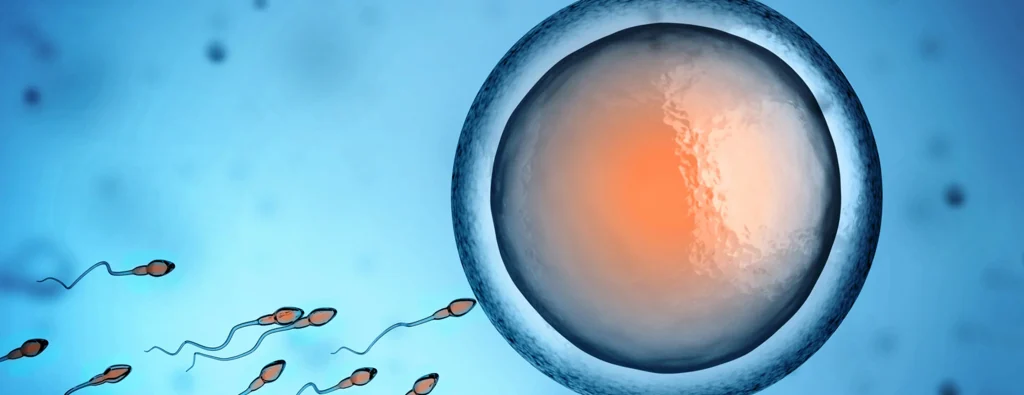
The Role of DNA Damage in Sperm Health
Research has also shown a link between DNA damage in sperm and an increased risk of pregnancy complications. In one study, men with higher levels of DNA damage in their sperm had a higher rate of miscarriages and stillbirths. Additionally, DNA damage in sperm has been linked to an increased risk of childhood cancer in offspring.
Now, you may be wondering, can DNA damage in sperm be prevented? While some factors, such as genetic mutations, are unavoidable, there are steps that men can take to reduce their risk of DNA damage in sperm. First and foremost, it’s essential to maintain a healthy lifestyle. This includes avoiding harmful substances like tobacco and excessive alcohol, maintaining a healthy weight, and exercising regularly.
Moreover, certain nutrients have been shown to play a role in protecting sperm DNA from damage. These include antioxidants like vitamin C, vitamin E, and selenium, as well as folate and zinc. Incorporating these nutrients into your diet through foods or supplements may help reduce the risk of DNA damage in sperm.
In addition to lifestyle and dietary changes, there are also medical treatments available to help improve sperm DNA quality. One such treatment is antioxidant therapy, where high doses of antioxidants are given to men with high levels of DNA damage in their sperm. This treatment has shown promising results in improving sperm motility and reducing DNA damage.
In conclusion, DNA damage plays a significant role in sperm health and can have serious implications for male fertility and the health of offspring. While some factors are beyond our control, maintaining a healthy lifestyle and incorporating certain nutrients into our diet can help reduce the risk of DNA damage in sperm. If you are experiencing fertility issues, it’s essential to speak with a fertility specialist who can assess the quality of your sperm and provide appropriate treatment options.
Summary:
DNA damage in sperm can have a significant impact on male fertility and the health of offspring. It can result in issues such as infertility, chromosomal abnormalities, and pregnancy complications. Factors such as environmental exposures, lifestyle habits, and genetic mutations can all contribute to DNA damage in sperm. However, steps such as maintaining a healthy lifestyle and incorporating certain nutrients into the diet can help reduce the risk of DNA damage. Medical treatments, such as antioxidant therapy, can also be used to improve sperm DNA quality. If you are experiencing fertility issues, it’s essential to seek help from a fertility specialist.