Blog post:
When it comes to managing medication side effects, most people are concerned about the immediate effects on their body. However, one aspect that is often overlooked is the impact these medications can have on sperm health. Sperm health is crucial not only for fertility but also for overall reproductive and sexual health. In this blog post, we will discuss the various ways in which medications can affect sperm health and provide tips for managing these side effects.
Medications that can affect sperm health:
1. Antibiotics:
Antibiotics are commonly used to treat various infections, and while they are essential for managing these conditions, they can have a significant impact on sperm health. Antibiotics such as tetracycline and sulfasalazine have been linked to decreased sperm motility and abnormal sperm morphology. This can lead to a decrease in sperm quality and ultimately affect fertility. If you are taking antibiotics, make sure to consult with your doctor about the potential side effects on sperm health.
2. Antidepressants:
Antidepressants are commonly used to treat depression, anxiety, and other mental health conditions. While they can be beneficial for managing these conditions, some antidepressants, such as SSRIs, have been linked to decreased sperm quality. They can also affect the production of sperm, leading to a decrease in sperm count. If you are taking antidepressants, it is crucial to discuss the potential effects on sperm health with your doctor.
3. Anti-inflammatory drugs:
Anti-inflammatory drugs, such as ibuprofen and aspirin, are commonly used to manage pain and inflammation. However, these medications have been linked to decreased sperm quality and can also affect sperm production. Long-term use of these medications can lead to a decrease in sperm count and can even cause erectile dysfunction. If you are using anti-inflammatory drugs, make sure to discuss the potential side effects with your doctor and consider alternative pain management techniques.
4. Steroids:
Steroids are often used to treat conditions such as asthma, arthritis, and autoimmune diseases. They are also commonly used by bodybuilders and athletes to enhance performance. While steroids can have many benefits, they can also have a significant impact on sperm health. Steroid use has been linked to decreased sperm count, motility, and morphology. It can also cause testicular atrophy, which can have long-term effects on fertility. If you are using steroids, make sure to discuss the potential side effects with your doctor and consider alternative treatments.
5. Chemotherapy drugs:
Chemotherapy drugs are used to treat various types of cancer, and while they are crucial for managing the disease, they can also have a severe impact on sperm health. Chemotherapy drugs can damage the cells that produce sperm, leading to a decrease in sperm count and quality. This can result in temporary or permanent infertility. If you are undergoing chemotherapy, it is crucial to discuss the potential impact on sperm health with your doctor and consider options for preserving sperm before treatment.
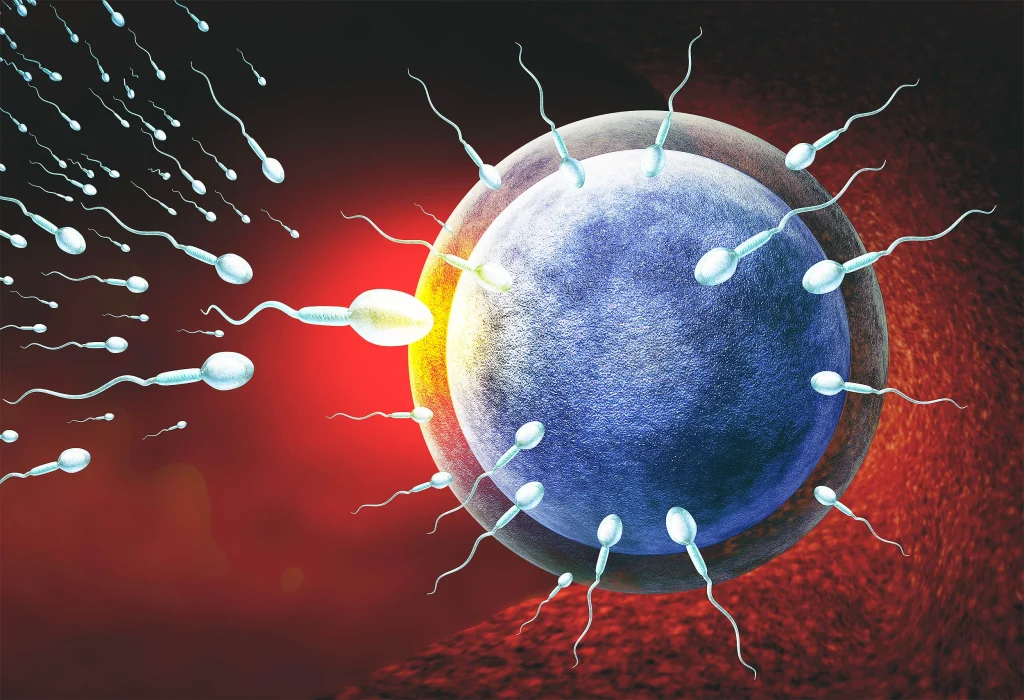
Managing Medication Side Effects on Sperm Health
Managing medication side effects on sperm health:
1. Talk to your doctor:
The most important step in managing medication side effects on sperm health is to talk to your doctor. Make sure to inform them about any medications you are currently taking and discuss the potential impact on sperm health. Your doctor may be able to prescribe alternative medications that have fewer side effects on sperm health.
2. Consider alternative treatments:
In some cases, alternative treatments may be available that do not have a significant impact on sperm health. For example, if you are using anti-inflammatory drugs for pain management, you could consider physical therapy or acupuncture as alternative treatments.
3. Lifestyle changes:
Making certain lifestyle changes can also help manage medication side effects on sperm health. These include maintaining a healthy diet, exercising regularly, avoiding smoking and excessive alcohol consumption, and managing stress levels. These lifestyle changes can improve overall sperm health and counteract the negative effects of medications.
4. Consider sperm preservation:
If you are undergoing treatment that can potentially affect sperm health, such as chemotherapy, it may be beneficial to consider sperm preservation. This involves freezing and storing sperm for future use. This can help preserve fertility and give you the option to start a family in the future.
5. Be patient:
It is essential to be patient when managing medication side effects on sperm health. It may take some time for sperm health to improve after stopping or switching medications. It is crucial to be consistent with any lifestyle changes and follow your doctor’s recommendations.
In conclusion, it is crucial to be aware of the potential impact of medications on sperm health. By talking to your doctor, considering alternative treatments, making lifestyle changes, and being patient, you can manage these side effects and maintain healthy sperm. Remember to always consult with your doctor before making any changes to your medication regimen.
Summary:
Medications can have a significant impact on sperm health, leading to decreased sperm quality and fertility. Antibiotics, antidepressants, anti-inflammatory drugs, steroids, and chemotherapy drugs are some common medications that can affect sperm health. To manage these side effects, it is essential to talk to your doctor, consider alternative treatments, make lifestyle changes, and be patient. In some cases, sperm preservation may also be beneficial. Overall, being aware of the potential impact of medications on sperm health and taking proactive steps can help maintain healthy sperm and overall reproductive health.