Blog Post Title: The Role of Antioxidants in Protecting Sperm Health from Toxins
Summary:
Sperm health is a crucial factor in male fertility and overall reproductive health. However, in today’s modern world, men are constantly exposed to various toxins from environmental pollutants, food, and lifestyle choices. These toxins can have a significant impact on sperm health, leading to issues such as low sperm count, poor sperm motility, and abnormal sperm shape. Fortunately, antioxidants have been shown to play a crucial role in protecting sperm from the damaging effects of toxins.
Antioxidants are compounds that can neutralize harmful molecules called free radicals, which are produced naturally in the body or can be introduced through exposure to toxins. These free radicals can damage cells, including sperm cells, by causing oxidative stress. Oxidative stress is a state where there is an imbalance between the production of free radicals and the body’s ability to neutralize them, leading to cellular damage.
In this blog post, we will delve deeper into the role of antioxidants in protecting sperm health from toxins. We will explore the different types of antioxidants, how they work to protect sperm, and the best sources of antioxidants for men.
Types of Antioxidants:
There are several types of antioxidants that play a role in protecting sperm health. These include vitamins, minerals, and plant-based compounds.
Vitamins such as vitamins C, E, and A are powerful antioxidants that can help protect sperm cells from oxidative stress. Vitamin C, in particular, has been shown to improve sperm quality and motility. Vitamin E, on the other hand, can help reduce oxidative stress in sperm cells, leading to improved sperm health.
Minerals such as zinc and selenium also act as antioxidants and are essential for sperm production and maturation. Zinc, in particular, is crucial for maintaining healthy testosterone levels, which is necessary for sperm production. Selenium has been shown to improve sperm motility and protect against DNA damage in sperm cells.
Plant-based compounds such as carotenoids, flavonoids, and polyphenols have also been found to have antioxidant properties and can play a role in protecting sperm health. These compounds are found in fruits, vegetables, and other plant-based foods.
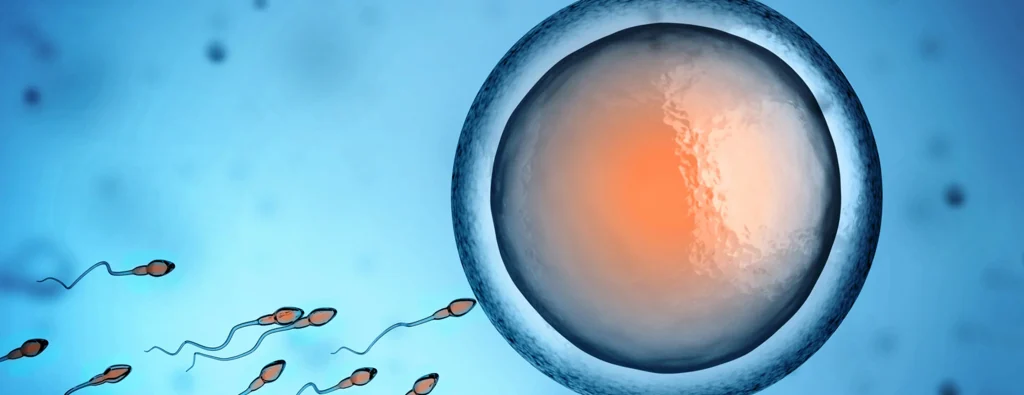
The Role of Antioxidants in Protecting Sperm Health from Toxins
How Antioxidants Protect Sperm:
Antioxidants protect sperm by neutralizing free radicals and preventing oxidative stress. Free radicals can damage sperm cells’ DNA, leading to abnormalities and reduced sperm quality. Antioxidants work by stabilizing these free radicals, preventing them from causing damage to sperm cells.
Furthermore, antioxidants can also help improve sperm quality by reducing inflammation in the reproductive organs. Inflammation can lead to damage to the sperm-producing cells, leading to a decrease in sperm production and quality. By reducing inflammation, antioxidants can help maintain healthy sperm production and protect against sperm cell damage.
Best Sources of Antioxidants for Men:
The best way to obtain antioxidants is through a balanced and varied diet. Fruits and vegetables are excellent sources of antioxidants, with dark-colored fruits and vegetables being particularly rich in these compounds. Some examples include berries, dark leafy greens, tomatoes, and bell peppers.
Other sources of antioxidants include nuts, seeds, and whole grains. These foods also contain healthy fats and fiber, making them great options for overall health and fertility.
Supplements can also be a convenient way to increase antioxidant intake. However, it is essential to consult with a healthcare professional before starting any supplements as they can interact with medications and may not be suitable for everyone.
Conclusion:
In conclusion, antioxidants play a crucial role in protecting sperm health from toxins. They work by neutralizing harmful free radicals, reducing inflammation, and improving overall sperm quality. Including a variety of fruits, vegetables, and other antioxidant-rich foods in the diet is crucial for maintaining healthy sperm and overall reproductive health. Additionally, men should also avoid exposure to toxins as much as possible and lead a healthy lifestyle to support optimal sperm health.
SEO metadata: