Blog Post: The Impact of Toxins on Male Fertility: Understanding Sperm Health
Male fertility is a crucial aspect of reproductive health, yet it is often overlooked. While there are various factors that can affect male fertility, one that is often overlooked is the impact of toxins. We are exposed to a multitude of toxins on a daily basis, from the air we breathe to the food we eat. These toxins can have a significant impact on sperm health and male fertility. In this blog post, we will dive into the effects of toxins on male fertility and how understanding sperm health can help men take control of their reproductive health.
Understanding Sperm Health
Before we delve into the impact of toxins, it is essential to understand the basics of sperm health. Sperm health can be measured by three main factors: sperm count, motility, and morphology.
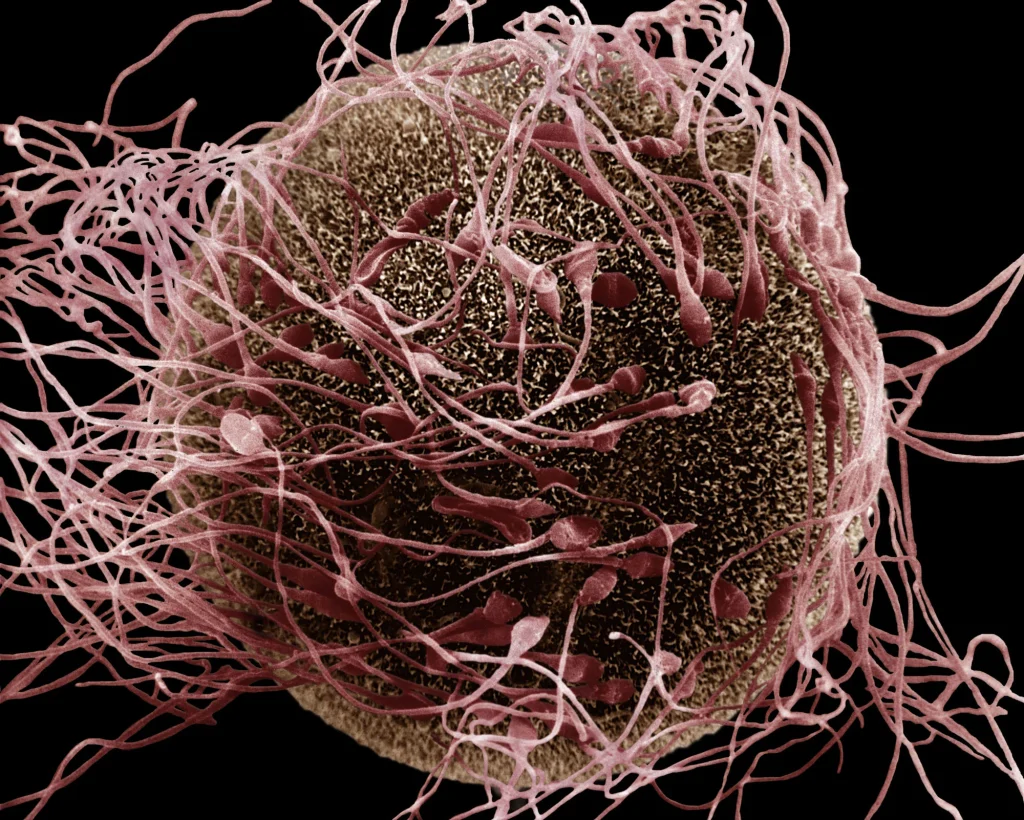
Sperm count refers to the number of sperm present in a given sample. A healthy sperm count is considered to be more than 15 million sperm per milliliter of semen. Motility refers to the ability of sperm to swim and move towards the egg. Ideally, at least 40% of sperm should have good motility. Lastly, morphology refers to the shape and structure of sperm. Normal sperm should have a head, midpiece, and tail, and at least 4% of sperm should have normal morphology.
Any abnormalities in these factors can significantly impact male fertility and make it challenging to conceive. Now, let’s explore how toxins can affect sperm health and male fertility.
The Impact of Toxins on Sperm Health
Toxins can affect sperm health in various ways, including reducing sperm count, motility, and morphology. Here are some of the most common toxins that can have a detrimental effect on sperm health:
1. Heavy Metals
Exposure to heavy metals such as lead, cadmium, and mercury has been linked to reduced sperm quality and count. These metals can accumulate in the body over time and cause oxidative stress, which can damage sperm cells and affect their ability to fertilize an egg.
2. Endocrine Disruptors
Endocrine disruptors are chemicals that can interfere with the body’s hormonal balance. Exposure to endocrine disruptors has been linked to low sperm count, poor sperm motility, and abnormal sperm morphology. These chemicals are commonly found in plastics, pesticides, and personal care products.
3. Air Pollution
Air pollution contains a mix of toxins, including heavy metals and endocrine disruptors. Studies have shown that men living in heavily polluted areas have lower sperm counts and poor sperm quality compared to those living in cleaner environments.
4. Pesticides
The Impact of Toxins on Male Fertility: Understanding Sperm Health
Pesticides are commonly used in agriculture to protect crops from pests. However, these chemicals can also harm human health, including sperm health. Exposure to pesticides has been linked to reduced sperm count, motility, and morphology.
5. Alcohol and Tobacco
Excessive alcohol consumption and smoking have been linked to reduced sperm count, motility, and morphology. Both alcohol and tobacco contain toxic chemicals that can damage sperm cells and affect their ability to fertilize an egg.
Minimizing the Impact of Toxins on Sperm Health
While it may be impossible to completely avoid toxins, there are steps men can take to minimize their exposure and protect their sperm health. Here are some tips to consider:
1. Eat a healthy diet rich in antioxidants.
Antioxidants can help reduce oxidative stress and protect sperm cells from damage. Foods such as berries, dark leafy greens, and nuts are rich in antioxidants and should be incorporated into a healthy diet.
2. Avoid exposure to known toxins.
Limiting exposure to known toxins, such as heavy metals and endocrine disruptors, can help protect sperm health. This may include using natural or organic personal care products and avoiding areas with high levels of air pollution.
3. Quit smoking and limit alcohol consumption.
Both smoking and excessive alcohol consumption have been linked to reduced sperm health. Quitting smoking and limiting alcohol intake can significantly improve sperm health and overall reproductive health.
4. Consider a detox.
A detox can help eliminate toxins from the body and improve overall health. However, it is essential to consult a healthcare professional before embarking on any detox program.
Summary:
Toxins can have a significant impact on male fertility by affecting sperm health. Sperm health can be measured by sperm count, motility, and morphology, and any abnormalities in these factors can make it challenging to conceive. Heavy metals, endocrine disruptors, air pollution, pesticides, and alcohol and tobacco are all known toxins that can harm sperm health. To minimize the impact of toxins, men can adopt healthy lifestyle habits, limit exposure to known toxins, and consider a detox. By understanding the impact of toxins on sperm health, men can take control of their reproductive health and increase their chances of conceiving.