Blog Post:
Pollution is a growing concern for our planet, affecting not only the environment but also human health. One aspect of pollution that often goes unnoticed is its impact on sperm development and maturation. Sperm plays a crucial role in reproduction and the health of future generations, making it essential to understand how pollution can affect its development and function.
To begin with, it is important to understand what pollution is and how it can affect sperm development. Pollution refers to the presence of harmful substances in the environment that can cause damage to living organisms. These substances can come from various sources such as industrial waste, agricultural practices, and everyday household products. They can enter our bodies through ingestion, inhalation, or absorption through the skin.
The effect of pollution on sperm development and maturation is a complex issue as it can be influenced by a variety of factors. One of the most significant contributors to sperm damage is exposure to endocrine-disrupting chemicals (EDCs). These are chemicals that interfere with the body’s hormonal system, affecting reproductive health. EDCs can be found in pesticides, plastics, and even personal care products. When these chemicals enter the body, they can mimic or block the action of hormones, leading to disruptions in sperm development and function.
One study conducted on rats found that exposure to EDCs during gestation and lactation resulted in decreased sperm count, motility, and abnormal sperm morphology in male offspring. These effects were observed even at low levels of exposure, highlighting the vulnerability of developing sperm to EDCs. Another study on human sperm showed a negative correlation between EDC exposure and sperm quality, with higher levels of exposure leading to decreased sperm count, motility, and morphology.
In addition to EDCs, air pollution has also been linked to sperm damage. Air pollution contains a mixture of harmful chemicals and particles, such as heavy metals, polycyclic aromatic hydrocarbons (PAHs), and ozone. A study conducted on Chinese men found that exposure to high levels of air pollution was associated with decreased sperm quality, including lower sperm count, motility, and morphology. These findings were consistent with another study that showed a negative correlation between air pollution and sperm parameters in men living in urban areas.
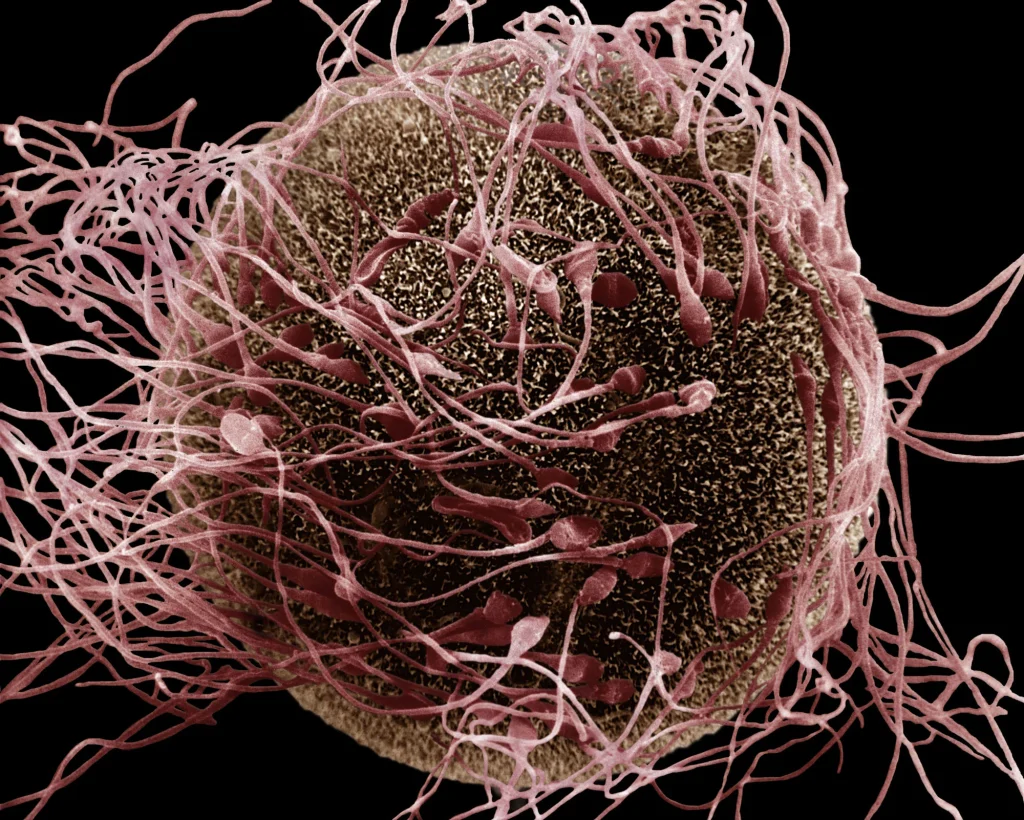
The Effect of Pollution on Sperm Development and Maturation
Water pollution is another major contributor to sperm damage. Industrial and agricultural activities release a significant amount of pollutants into our water bodies, contaminating them with chemicals and heavy metals. A study conducted on fish found that exposure to water contaminated with heavy metals resulted in reduced sperm quality and reproductive success. Similarly, a study on human sperm showed that exposure to pesticides, which can enter our water sources through runoff, was associated with a decrease in sperm count and motility.
Aside from EDCs, air, and water pollution, lifestyle factors such as diet and smoking can also play a role in sperm development and maturation. A diet high in processed foods and low in essential nutrients can lead to oxidative stress, which can damage sperm cells. On the other hand, a healthy diet rich in antioxidants can help protect sperm from oxidative damage. Smoking, on the other hand, has been shown to negatively impact sperm quality, with studies linking it to decreased sperm count, motility, and morphology.
The effects of pollution on sperm development and maturation are concerning as they can have long-lasting consequences on reproductive health. Sperm damage can lead to infertility, birth defects, and even an increased risk of certain cancers in offspring. Furthermore, pollution can also affect the health of future generations by altering the genetic material in sperm cells, leading to heritable changes that can be passed down to offspring.
So what can be done to protect sperm from the harmful effects of pollution? One way is to reduce our exposure to pollution by making conscious choices about the products we use and the food we eat. Choosing organic and natural products can limit our exposure to EDCs, and opting for a diet rich in antioxidants can help protect sperm from oxidative damage. Additionally, more stringent regulations and enforcement of pollution control measures can help reduce the amount of pollution in our environment.
In conclusion, pollution has a significant impact on sperm development and maturation. Exposure to EDCs, air, and water pollution, as well as lifestyle factors, can lead to decreased sperm quality and reproductive health issues. It is crucial to address this issue and take necessary steps to reduce our exposure to pollution in order to protect our reproductive health and the health of future generations.
Summary:
Pollution, defined as the presence of harmful substances in the environment, can have a damaging effect on sperm development and maturation. Exposure to endocrine-disrupting chemicals (EDCs), air and water pollution, and lifestyle factors such as diet and smoking can lead to decreased sperm quality, which can have long-lasting consequences on reproductive health. To protect sperm from pollution, it is important to reduce exposure by making conscious choices and enforcing pollution control measures.