Water pollution is a major environmental issue that affects not only aquatic life but also human health. One of the less talked about impacts of water pollution is its effect on male fertility. In this blog post, we will explore the various ways in which water pollution can impact male fertility and the steps that can be taken to mitigate this problem.
Firstly, it is important to understand what water pollution is and how it occurs. Water pollution is the contamination of water bodies, such as lakes, rivers, oceans, and groundwater, with harmful substances. These substances can be natural or man-made and can come from various sources such as industrial waste, agricultural runoff, sewage, and oil spills. When these substances enter the water, they can have a detrimental effect on the environment and the organisms that live in it.
One of the main ways in which water pollution affects male fertility is by disrupting the endocrine system. The endocrine system is responsible for producing and regulating hormones, which play a crucial role in reproductive health. When water is contaminated with chemicals such as pesticides, pharmaceuticals, and industrial chemicals, they can mimic or block the hormones, leading to hormonal imbalances. These imbalances can affect sperm production, sperm quality, and sperm motility, all of which are essential for male fertility.
Furthermore, water pollution can also lead to genetic damage in sperm. Studies have shown that exposure to pollutants in water can cause mutations in sperm DNA, which can lead to infertility and even birth defects in offspring. This is particularly concerning as these genetic changes can be passed down to future generations, leading to long-term consequences.
Another significant way in which water pollution can impact male fertility is through the contamination of drinking water. Many contaminants found in water, such as heavy metals, pesticides, and nitrates, can have adverse effects on reproductive health when consumed. These substances can accumulate in the body and cause damage to the reproductive organs and disrupt the production of sperm. Moreover, the consumption of contaminated water can also lead to other health issues, such as hormonal imbalances and decreased libido, which can further affect male fertility.
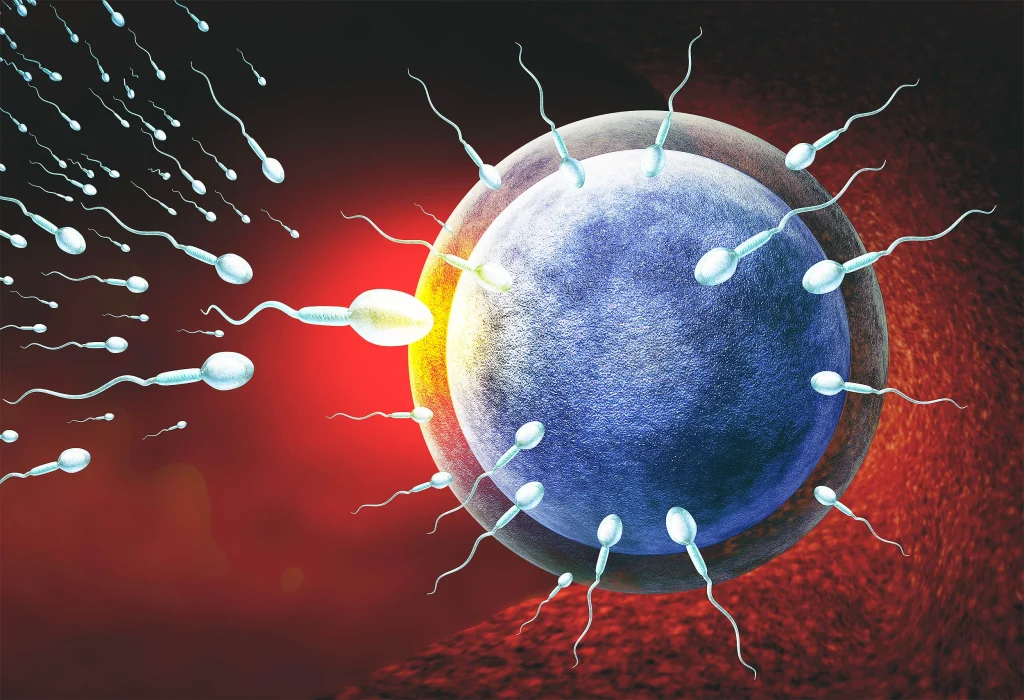
The Impact of Water Pollution on Male Fertility
Apart from direct impacts on reproductive health, water pollution can also indirectly affect male fertility by reducing the availability of clean water. In many parts of the world, access to clean water is limited, and people have to rely on polluted water for their daily needs. This not only puts them at risk of waterborne diseases but also affects their overall health. Poor health can lead to a decrease in fertility, as the body is not able to function optimally.
In addition to these impacts on male fertility, water pollution can also have social and economic consequences. Infertility can cause a significant amount of stress, anxiety, and depression for couples trying to conceive. This can put a strain on relationships and lead to a decrease in overall well-being. Moreover, the treatment of infertility can be expensive, and not everyone has access to it. This can lead to financial burden and further exacerbate the social and economic effects of water pollution.
So, what can be done to mitigate the impact of water pollution on male fertility? The first and most crucial step is to prevent water pollution from occurring in the first place. This can be achieved by implementing stricter regulations and enforcing them, as well as promoting sustainable practices in industries, agriculture, and households. Proper waste management and treatment of sewage and industrial waste can also go a long way in reducing water pollution.
Furthermore, individuals can also take steps to protect themselves from the effects of water pollution. This includes filtering drinking water and avoiding contact with contaminated water bodies. Consuming a healthy and balanced diet, rich in antioxidants, can also help to counter the effects of pollutants on the body.
In conclusion, water pollution is a significant threat to male fertility. It can disrupt the endocrine system, cause genetic damage in sperm, and reduce the availability of clean water, all of which can have adverse effects on reproductive health. It is essential to take action to prevent water pollution and protect ourselves from its impacts to ensure a healthy future for generations to come.
In summary, water pollution can have a detrimental impact on male fertility by disrupting the endocrine system, causing genetic damage in sperm, and reducing the availability of clean water. This not only affects reproductive health but also has social and economic consequences. To mitigate this problem, stricter regulations and sustainable practices must be implemented, and individuals can take steps to protect themselves. By working towards preventing water pollution, we can ensure a healthy future for all.