Pollution is a growing concern in our world today, with its negative impacts on the environment and human health becoming increasingly evident. However, a lesser-known effect of pollution is its impact on male fertility. Recent studies have shown a strong link between pollution and male infertility, highlighting the need for increased awareness and action to address this issue.
To understand this surprising link, we must first understand the basics of male fertility. The male reproductive system relies on the production of healthy sperm, which is essential for fertilization and successful pregnancy. However, exposure to pollution can disrupt this delicate process, leading to a decrease in sperm quality and quantity.
One of the main culprits of pollution is air pollution. The air we breathe is contaminated with harmful chemicals and particles, such as nitrogen dioxide, sulfur dioxide, and particulate matter. These pollutants can enter the body through the lungs and travel to the reproductive organs, causing damage to sperm cells. Studies have shown that exposure to air pollution can lead to DNA damage in sperm, reducing their ability to fertilize an egg.
Water pollution is another major concern when it comes to male fertility. Industrial and agricultural activities often release toxic chemicals and pesticides into water bodies, which can then contaminate the food chain. As a result, these pollutants can accumulate in the bodies of aquatic animals, and eventually, humans who consume them. These chemicals can disrupt the hormonal balance in the body, leading to reproductive issues and decreased sperm quality.
A study conducted in China found a significant decrease in sperm quality and quantity in men living near polluted rivers compared to those living in cleaner areas. The researchers also found that men who consumed more fish from the polluted rivers had higher levels of harmful chemicals in their bodies, further highlighting the impact of water pollution on male fertility.
In addition to air and water pollution, exposure to other types of pollution, such as noise pollution and electromagnetic radiation, have also been linked to male infertility. Noise pollution from traffic, construction, and other sources can cause stress and disrupt hormone levels in the body, leading to fertility issues. Similarly, prolonged exposure to electromagnetic radiation from electronic devices and power lines has been shown to decrease sperm motility and increase DNA damage.
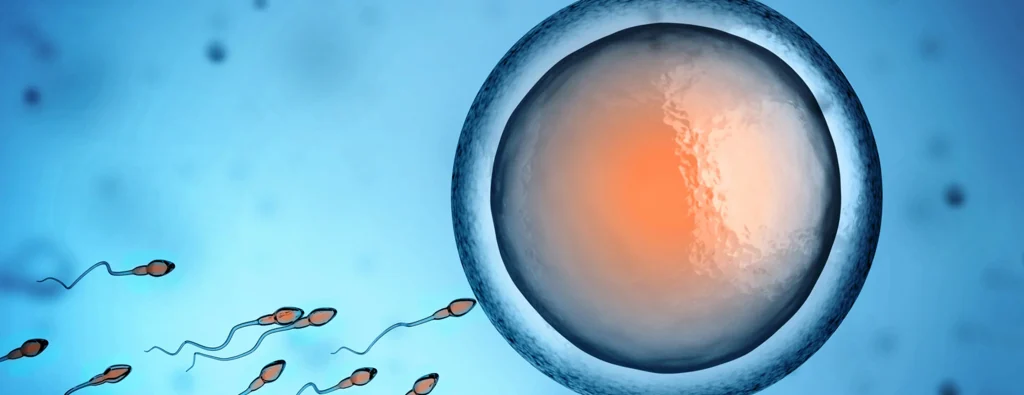
The Surprising Link Between Pollution and Male Fertility
The effects of pollution on male fertility are not limited to physical pollutants. Chemicals found in everyday products, such as personal care products, cleaning agents, and plastics, can also have a significant impact on reproductive health. These chemicals, known as endocrine disruptors, can mimic or interfere with the body’s hormones, leading to reproductive issues. Studies have shown that exposure to endocrine disruptors, such as phthalates and bisphenol-A (BPA), can decrease sperm quality and increase the risk of infertility.
So, what can be done to address this issue? The first step is to reduce our exposure to pollution. This can be achieved by supporting and advocating for stricter environmental regulations, reducing our use of harmful chemicals, and opting for organic and natural products whenever possible. Additionally, eating a healthy and balanced diet can help reduce the effects of pollution on male fertility. Foods rich in antioxidants, such as fruits and vegetables, can help combat the damage caused by pollutants.
Moreover, men can take proactive steps to protect their reproductive health. Avoiding smoking and excessive alcohol consumption can help improve sperm quality. Wearing protective gear, such as masks and gloves, when working in polluted environments can also reduce exposure to harmful pollutants. Men should also consider getting regular check-ups and fertility tests, especially if they live or work in areas with high pollution levels.
In conclusion, the link between pollution and male fertility is a concerning and surprising one. The negative impacts of pollution on male reproductive health cannot be ignored, and it is essential to take action to address this issue. By reducing our exposure to pollution and taking steps to protect our reproductive health, we can work towards a healthier and more sustainable future.
Summary:
Pollution, specifically air and water pollution, has a significant impact on male fertility. Exposure to pollutants can lead to DNA damage in sperm, hormonal disruptions, and decreased fertility. Other types of pollution, such as noise and electromagnetic radiation, can also have negative effects on reproductive health. Endocrine disruptors found in everyday products can also contribute to male infertility. To address this issue, individuals can reduce their exposure to pollution and adopt a healthy lifestyle. Supporting stricter environmental regulations and opting for organic and natural products can also help combat the effects of pollution on male fertility.