Blog Post:
When it comes to male infertility, many factors can play a role, from genetics to lifestyle choices. One lifestyle factor that has been linked to male infertility is alcohol consumption. While alcohol is often seen as a social lubricant and a way to relax and unwind, it can have detrimental effects on male reproductive health. In this blog post, we will explore the link between alcohol and male infertility, as well as what you need to know about this potential risk.
What is Male Infertility?
First, let’s define male infertility. Infertility is when a couple is unable to conceive a child after one year of regular, unprotected intercourse. According to the World Health Organization, approximately 15% of couples worldwide experience infertility. And in about one-third of these cases, male infertility is the cause.
Male infertility can be caused by a variety of factors, including hormonal imbalances, physical blockages, and genetic disorders. Lifestyle choices such as smoking, drug use, and excessive alcohol consumption can also contribute to male infertility.
The Link Between Alcohol and Male Infertility
Studies have shown that alcohol consumption can have a negative impact on male reproductive health. One of the ways alcohol affects male fertility is by disrupting hormonal balance. Alcohol consumption can lead to decreased levels of testosterone, the male sex hormone responsible for sperm production. Low levels of testosterone can result in a decrease in sperm count, motility, and quality.
Alcohol can also cause damage to the testes, the male reproductive organs responsible for producing sperm. Heavy drinking can lead to testicular atrophy, which is the shrinking of the testes. This can result in a decrease in sperm production and quality, leading to male infertility.
Furthermore, alcohol consumption can also interfere with the body’s absorption of essential nutrients, such as zinc and folate, which are crucial for sperm production and overall reproductive health.
Effects of Alcohol on Sperm Quality
Not only can alcohol affect sperm production, but it can also impact the quality of sperm. Studies have shown that alcohol consumption can lead to an increase in abnormal sperm morphology, which refers to the size and shape of sperm. Abnormal sperm morphology can make it difficult for sperm to fertilize an egg, leading to infertility.
Alcohol can also affect sperm motility, which is the ability of sperm to move and swim towards the egg. Studies have found that alcohol consumption can decrease sperm motility, making it more challenging for sperm to reach and fertilize the egg.
In addition, alcohol can also damage the DNA in sperm, which can increase the risk of genetic abnormalities in offspring. This can lead to birth defects and other health issues in children.
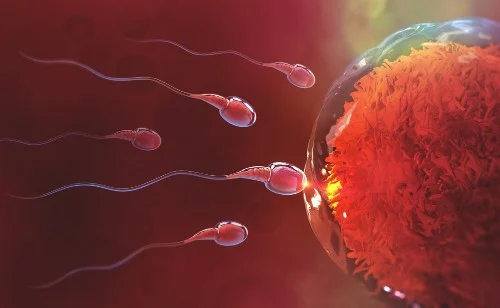
The Link Between Alcohol and Male Infertility: What You Need to Know
Moderation is Key
While heavy alcohol consumption has been linked to male infertility, moderate alcohol intake may not have the same effects. According to the National Institute on Alcohol Abuse and Alcoholism, moderate drinking is defined as up to two drinks per day for men. Consuming more than this amount can increase the risk of male infertility.
Furthermore, the effects of alcohol on male fertility may be reversible. Studies have shown that abstaining from alcohol for at least three months can improve sperm count, motility, and morphology.
Other Ways Alcohol Can Affect Male Fertility
Aside from the direct effects on sperm production and quality, alcohol consumption can also contribute to male infertility in other ways. For example, heavy drinking can lead to erectile dysfunction, making it difficult to achieve and maintain an erection. This can make it challenging to engage in sexual intercourse and conceive a child.
Alcohol can also impair judgment and decision-making, which can lead to risky sexual behavior and potential exposure to sexually transmitted infections (STIs). Some STIs, such as chlamydia and gonorrhea, can cause infertility if left untreated.
Additionally, alcohol consumption during pregnancy can also harm the developing fetus and lead to birth defects and other health problems.
Seeking Help
If you and your partner have been trying to conceive for over a year without success, it may be time to seek help from a fertility specialist. They can assess your overall health and lifestyle habits, including alcohol consumption, and provide guidance on ways to improve your chances of conceiving.
In Conclusion
While moderate alcohol consumption may not have a significant impact on male fertility, excessive alcohol consumption can have detrimental effects. It is essential to be aware of the potential risks and make informed decisions about alcohol consumption, especially if you are trying to conceive. If you are struggling with infertility, it is crucial to seek help from a healthcare professional to identify and address any underlying issues.
Summary:
Male infertility is a prevalent issue, and one lifestyle factor that has been linked to it is excessive alcohol consumption. Alcohol can disrupt hormonal balance, damage the testes, and affect sperm production and quality. Moderate alcohol intake may not have the same effects, but excessive drinking can increase the risk of male infertility. It is essential to be aware of these potential risks and seek help from a fertility specialist if you are struggling to conceive.