As we all know, alcohol can have a significant impact on our health and well-being. It’s common knowledge that excessive drinking can lead to liver damage, heart disease, and other serious health issues. However, what many people may not realize is that alcohol consumption can also affect fertility, particularly in men. In this blog post, we will explore the connection between fertility and alcohol and how your drinking habits may be affecting your future fatherhood.
First, let’s start by understanding the basics of fertility. Fertility refers to a person’s ability to conceive a child. It involves both the reproductive organs and the reproductive hormones, which play a crucial role in the process. For men, fertility is determined by the quality and quantity of their sperm. Sperm production is a continuous process that takes about 74 days, and during this time, any changes in a man’s lifestyle, including alcohol consumption, can affect the quality of his sperm.
Studies have shown that alcohol consumption can have a negative impact on male fertility. One study found that men who drank heavily had lower sperm counts, lower sperm motility (the ability of sperm to swim), and more abnormal sperm compared to non-drinkers. Another study found that even moderate alcohol consumption (1-5 drinks per week) can decrease sperm quality and quantity. These findings suggest that even small amounts of alcohol can have an impact on male fertility.
But how exactly does alcohol affect sperm? One of the ways is by disrupting the production of testosterone, the primary male sex hormone. Alcohol consumption can lead to a decrease in testosterone levels, which can affect sperm production and quality. Additionally, alcohol is known to increase the levels of estrogen in the body, which can also affect sperm production. This hormonal imbalance can lead to a decrease in sperm count and an increase in abnormal sperm.
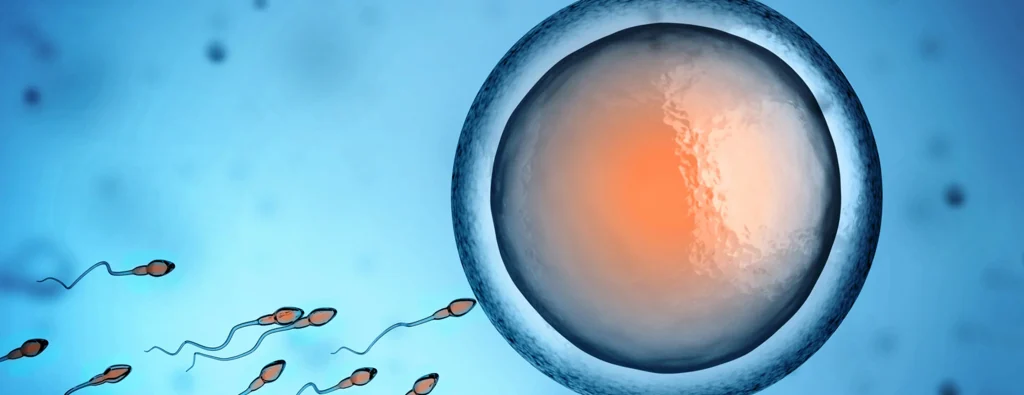
Fertility and Alcohol: How Your Drinking Habits May Be Affecting Your Future Fatherhood
Moreover, alcohol can also damage the DNA of sperm. This damage can result in genetic abnormalities, which can lead to infertility or even birth defects in offspring. The more a man drinks, the higher the chances of sperm DNA damage. This damage can also be passed down to future generations, affecting the fertility of sons and grandsons.
Furthermore, alcohol consumption can also affect the function of the male reproductive organs. It can cause inflammation and damage to the testicles, which are responsible for producing and storing sperm. This damage can lead to a decrease in sperm production and quality, ultimately affecting fertility.
But it’s not just men who need to be concerned about their drinking habits when it comes to fertility. Women who are trying to conceive should also be mindful of their alcohol consumption. Studies have shown that alcohol can have a negative impact on female fertility as well. It can disrupt the menstrual cycle, affect ovulation, and increase the risk of miscarriage. Additionally, alcohol consumption during pregnancy can lead to fetal alcohol syndrome, which can cause physical, mental, and behavioral issues in children.
So, what can you do to improve your chances of fatherhood? The most obvious answer is to limit or avoid alcohol consumption altogether. If you are trying to conceive, it’s best to abstain from alcohol completely. If you do choose to drink, do so in moderation. The National Institute on Alcohol Abuse and Alcoholism defines moderate drinking as up to one drink per day for women and up to two drinks per day for men. However, keep in mind that even moderate drinking can have an impact on fertility, so it’s best to limit alcohol consumption as much as possible.
In conclusion, alcohol can have a significant impact on male fertility. It can affect sperm production, quality, and function, as well as increase the risk of genetic abnormalities. For those trying to conceive, it’s best to limit or abstain from alcohol consumption to improve their chances of becoming a father. Women should also be mindful of their alcohol consumption as it can affect their fertility and the health of their future children. So, if you’re thinking about future fatherhood, it may be time to reevaluate your drinking habits.