Unpacking the Science Behind Alcohol’s Impact on Sperm Health
Alcohol has been a staple in human society for thousands of years, with evidence of its consumption dating back to ancient civilizations. While it is often seen as a way to relax and unwind, alcohol consumption has also been linked to various health issues, including liver disease, heart disease, and cancer. But did you know that alcohol can also have a significant impact on sperm health? In this blog post, we will delve into the science behind how alcohol affects sperm and what this means for male fertility.
The Basics of Sperm Health
Before we get into the details of how alcohol affects sperm health, let’s first understand what constitutes healthy sperm. Sperm health is measured by factors such as sperm count, motility (the ability to move), and morphology (shape and size of sperm). These factors are crucial for conceiving a child, and any abnormalities in them can lead to infertility.
Alcohol and Sperm Count
One of the main ways alcohol affects sperm health is by reducing sperm count. Sperm count refers to the number of sperm present in a given sample, and a healthy sperm count is anywhere between 20 million to 300 million per milliliter. Studies have shown that heavy alcohol consumption can lead to a decrease in sperm count, which can greatly impact a man’s fertility.
The reason behind this decrease in sperm count is that alcohol affects the production of testosterone, the male sex hormone responsible for sperm production. Alcohol consumption can disrupt the normal functioning of the hypothalamus and pituitary glands, which are responsible for regulating testosterone levels. This disruption can lead to a decrease in sperm production and, consequently, sperm count.
Alcohol and Sperm Motility
In addition to reducing sperm count, alcohol consumption can also affect sperm motility. Sperm motility refers to the ability of sperm to move and swim towards the egg for fertilization. Studies have shown that alcohol consumption can decrease sperm motility, making it more difficult for sperm to reach the egg.
The reason behind this is that alcohol affects the structure and function of the sperm’s tail, called the flagellum. The flagellum is responsible for sperm movement, and any damage to it can lead to reduced motility. Moreover, alcohol can also disrupt the production of enzymes and other substances that are necessary for sperm motility.
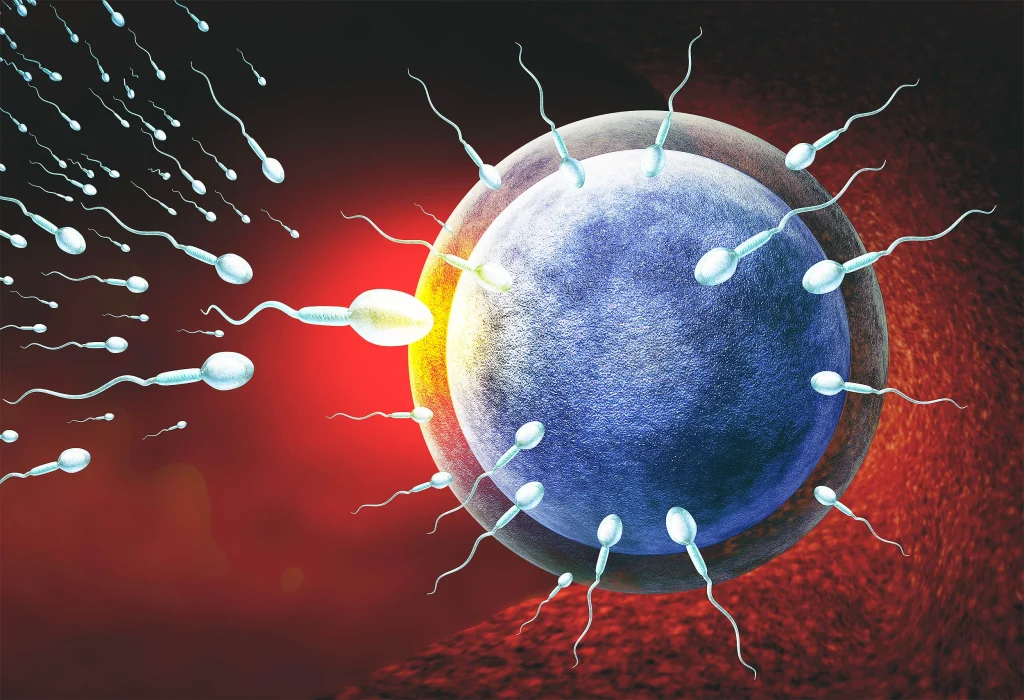
Unpacking the Science Behind Alcohol's Impact on Sperm Health
Alcohol and Sperm Morphology
Another crucial factor in sperm health is morphology, which refers to the shape and size of sperm. Sperm with abnormal morphology can have difficulty reaching and fertilizing the egg, leading to fertility issues. Studies have shown that alcohol consumption can lead to abnormalities in sperm morphology, such as misshapen heads or tails.
The reason behind this is that alcohol can damage the DNA and genetic material of sperm. This damage can lead to changes in sperm structure and function, ultimately affecting sperm morphology. Moreover, alcohol can also cause oxidative stress, which can damage sperm DNA and lead to abnormalities in morphology.
Alcohol and Male Fertility
The impact of alcohol on sperm health can greatly affect male fertility. Studies have shown that men who consume high levels of alcohol have a higher risk of infertility compared to those who do not drink or drink in moderation. In addition, alcohol consumption has also been linked to other fertility issues such as erectile dysfunction and decreased libido.
Furthermore, alcohol can also affect male fertility indirectly. Heavy alcohol consumption can lead to liver damage, which can affect the body’s ability to metabolize hormones and other substances necessary for sperm production. This can lead to hormonal imbalances and ultimately impact sperm health and fertility.
The Good News and Next Steps
While the science behind alcohol’s impact on sperm health may seem daunting, the good news is that the effects are not permanent. Studies have shown that reducing or stopping alcohol consumption can lead to an improvement in sperm health. It may take a few months for sperm health to return to normal, but it is possible with lifestyle changes.
For those who are struggling with alcohol addiction, seeking help and support is crucial not only for overall health but also for fertility. Furthermore, adopting a healthy lifestyle, including a balanced diet and regular exercise, can also greatly improve sperm health.
Conclusion
In conclusion, alcohol consumption can have a significant impact on sperm health, leading to a decrease in sperm count, motility, and morphology. These effects can ultimately affect male fertility and make it difficult to conceive a child. However, the good news is that these effects are not permanent, and making lifestyle changes can greatly improve sperm health. For those struggling with alcohol addiction, seeking help and support is crucial for overall health and fertility. So, next time you reach for that drink, remember the potential impact it can have on your sperm health and fertility.