Smoking is a commonly known health risk, with numerous negative effects on the body. However, one aspect that is often overlooked is its impact on fertility. While the dangers of smoking during pregnancy are widely acknowledged, the effects of smoking on male fertility and sperm health are not as well-known. In this blog post, we will delve into the insights from sperm health and explore how smoking can affect male fertility.
To begin with, let’s understand the basics of sperm health. Sperm is the male reproductive cell responsible for fertilizing the female egg. It is produced in the testicles and travels through the vas deferens to mix with semen before being ejaculated. For a healthy pregnancy, the sperm needs to be of good quality, which includes the right shape, size, and movement. However, smoking can significantly impact all of these factors.
Firstly, smoking can lead to a decrease in sperm count, which is the number of sperm present in a semen sample. Studies have shown that men who smoke have a lower sperm count compared to non-smokers. This is because the chemicals present in cigarettes can damage the DNA of sperm and disrupt the process of sperm production. Additionally, smoking can also affect the shape of sperm, making them abnormally shaped and reducing their ability to fertilize an egg.
Moreover, smoking can also affect sperm motility, which is the ability of sperm to move towards the egg. Sperm needs to be able to swim through the female reproductive tract to reach the egg for fertilization to occur. However, the toxins in cigarettes can impair the sperm’s movement, making it difficult for them to reach the egg. This can significantly reduce the chances of conception, leading to infertility.
Apart from these direct effects on sperm health, smoking can also impact male fertility in other ways. One of the major ways is through erectile dysfunction. Smoking damages the blood vessels, reducing blood flow to the penis, and making it difficult to achieve and maintain an erection. This can not only create problems in sexual intercourse but can also lead to psychological issues such as stress and anxiety, further impacting fertility.
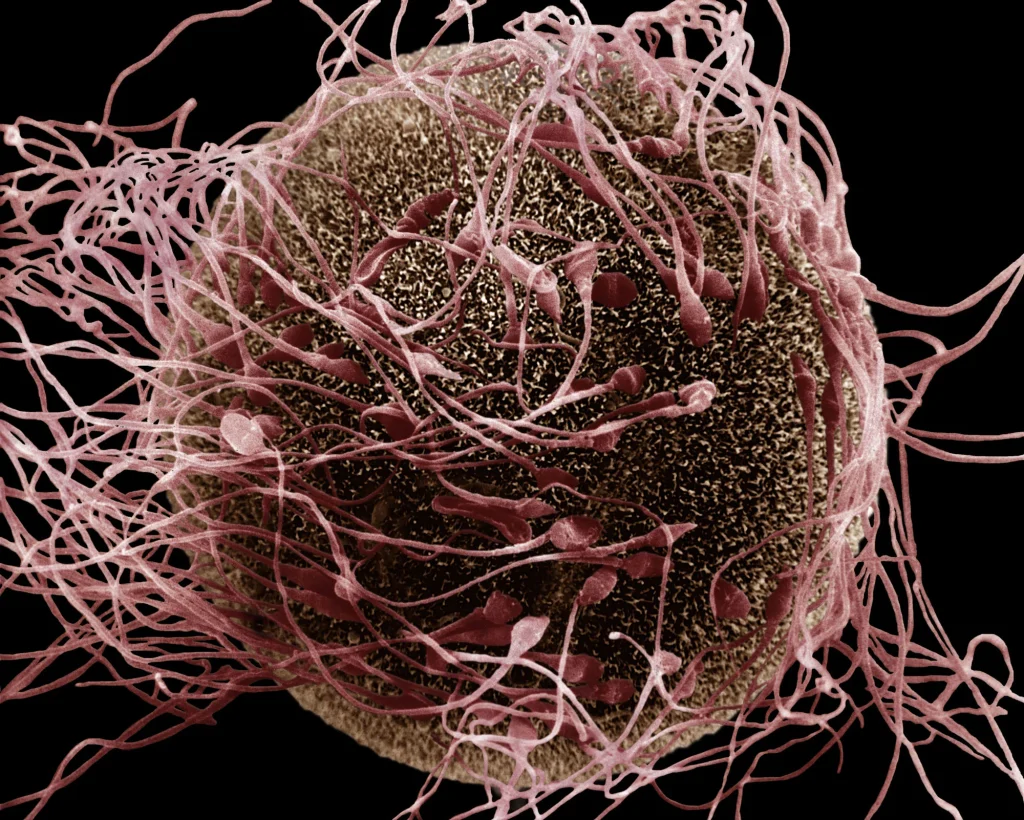
How Smoking Can Affect Your Fertility: Insights from Sperm Health
Furthermore, smoking can also affect the quality of semen, which is the fluid that carries sperm. Semen is essential for nourishing and protecting sperm on their journey to fertilize an egg. However, the toxins in cigarettes can reduce the volume and quality of semen, causing problems with sperm survival and fertility.
The effects of smoking on fertility are not limited to men who smoke directly. Second-hand smoke, which is the smoke inhaled by non-smokers from the environment, can also have detrimental effects on sperm health. Studies have shown that men who are exposed to second-hand smoke have a higher likelihood of having lower sperm counts and decreased sperm motility. This is because the toxins present in second-hand smoke can enter the body and affect sperm production and quality.
Apart from these direct effects, smoking can also impact fertility indirectly. For example, it can increase the risk of certain health conditions such as diabetes and hypertension, which in turn can affect fertility. Additionally, smoking can also cause hormonal imbalances, disrupting the production of testosterone, which is essential for sperm production.
Now that we have explored the various ways smoking can affect sperm health and fertility, it is important to understand that these effects are not permanent. Quitting smoking can significantly improve sperm quality and increase the chances of conception. Research has shown that men who quit smoking have increased sperm counts, improved sperm motility, and better semen quality within a year of quitting. This further highlights the importance of quitting smoking for couples trying to conceive.
In conclusion, smoking can have a significant impact on male fertility and sperm health. It can reduce sperm count, affect sperm shape and movement, and lead to erectile dysfunction and other health problems. Second-hand smoke can also contribute to these effects. However, the good news is that quitting smoking can reverse these effects and improve sperm quality. For couples trying to conceive, it is crucial to understand the impact of smoking on fertility and take necessary steps to quit smoking for a healthy pregnancy.