Summary:
Sperm health is essential for male fertility, and one factor that can significantly impact it is sleep. In recent years, researchers have found a clear connection between sleep and sperm quality, and getting enough high-quality sleep is crucial for maintaining optimal reproductive health. In this blog post, we will explore the relationship between sperm health and sleep, how sleep affects sperm production and quality, and tips for improving sleep to boost fertility.
Firstly, let’s understand what sperm health means. Sperm health refers to the quality and quantity of sperm produced by the male reproductive system. Sperm quality is determined by factors such as sperm count, motility (movement), and morphology (shape). These factors are essential for successful fertilization and pregnancy. Studies have shown that men with poor sperm quality have a higher risk of infertility and may experience difficulties in conceiving naturally.
Now, let’s delve into the connection between sperm health and sleep. Research has found that men who sleep less than six hours or more than nine hours per night have lower sperm counts and poor sperm quality. This is because sleep is crucial for the body to produce optimal levels of testosterone, the hormone responsible for sperm production. Testosterone levels are at their peak during deep sleep, and sleep deprivation can significantly decrease testosterone levels, leading to poor sperm health.
Not only does sleep affect testosterone levels, but it also influences other hormones and processes that impact sperm production and quality. For example, inadequate sleep can increase the levels of stress hormones like cortisol, which can negatively affect sperm production. It can also disrupt the body’s circadian rhythm, the internal 24-hour clock that regulates various physiological processes, including hormone production and sperm production.
Moreover, poor sleep quality can also lead to oxidative stress, a condition where there is an imbalance between free radicals and antioxidants in the body. Oxidative stress can damage sperm cells and affect their motility and morphology, ultimately impacting fertility. A study found that men with insomnia had higher levels of oxidative stress and lower sperm quality than those who slept well.
Apart from its direct effects on sperm health, sleep can also affect male fertility indirectly. Lack of sleep can lead to fatigue, irritability, and mood swings, which can negatively impact sexual desire and performance. Poor sleep quality can also result in low libido and erectile dysfunction, making it challenging to conceive.
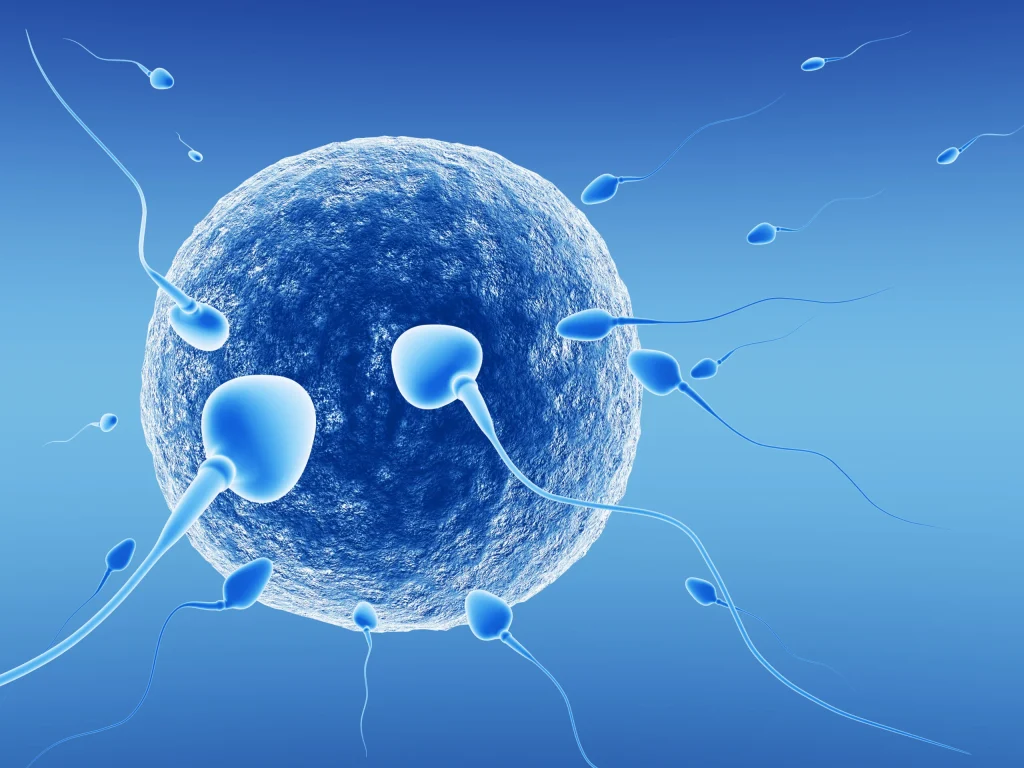
Sperm Health and Sleep: Understanding the Connection for Better Fertility
Now that we understand the importance of sleep for sperm health let’s look at some tips for improving sleep to boost fertility:
1. Stick to a regular sleep schedule: Going to bed and waking up at the same time every day can help regulate the body’s internal clock and improve sleep quality.
2. Create a sleep-friendly environment: Make sure your bedroom is cool, dark, and quiet. Avoid using electronic devices before bedtime as the blue light emitted from screens can suppress the production of melatonin, the sleep hormone.
3. Exercise regularly: Regular physical activity can improve sleep quality and reduce stress levels, both of which can positively impact sperm health.
4. Avoid caffeine and alcohol before bedtime: Consuming caffeine and alcohol close to bedtime can disrupt sleep patterns and reduce the quality of sleep.
5. Practice relaxation techniques: Techniques like deep breathing, meditation, and yoga can help reduce stress and promote better sleep.
In conclusion, the quality and quantity of sperm are crucial for male fertility, and sleep plays a vital role in maintaining optimal sperm health. Poor sleep can lead to a decrease in testosterone levels, increase stress hormones, and cause oxidative stress, all of which can negatively impact sperm production and quality. By following the tips mentioned above and prioritizing good sleep habits, men can improve their sperm health and increase their chances of conceiving naturally.