Sleep is an essential part of our daily lives, but did you know that it also plays a crucial role in male fertility and sperm health? While many may think that diet and exercise are the only factors that affect reproductive health, research has shown that sleep also has a significant impact. In fact, studies have found that men who do not get enough sleep may experience a decrease in sperm quality and quantity, leading to fertility issues. In this blog post, we will explore the surprising effects of sleep on male fertility and sperm health, and why getting enough quality sleep is crucial for men who are trying to conceive.
The Connection Between Sleep and Male Fertility
Before we delve into the specific effects of sleep on male fertility and sperm health, it is essential to understand the connection between the two. The quality and quantity of sleep have a direct impact on the endocrine system, which is responsible for regulating hormone production. Testosterone, the primary male sex hormone, is crucial for sperm production and maintaining reproductive health. When men do not get enough sleep, their testosterone levels may decrease, leading to a decline in sperm count and quality.
Decreased Sperm Count and Quality
One of the significant effects of sleep on male fertility is a decrease in sperm count and quality. A study conducted by the University of Southern Denmark found that men who slept for less than six hours per night had a 25% lower sperm count than those who slept for eight hours. Additionally, the study also found that men who slept for less than six hours had a 32% decrease in sperm quality compared to those who slept for eight hours. These findings suggest that inadequate sleep may have a significant impact on male fertility, making it challenging for couples to conceive.
Hormonal Imbalance
As mentioned earlier, sleep has a direct impact on the production of hormones, including testosterone. When men do not get enough sleep, their bodies may produce less testosterone, leading to a hormonal imbalance. This imbalance can result in a decrease in sperm production and quality, making it harder for couples to conceive. Additionally, inadequate sleep can also affect the production of luteinizing hormone (LH), which is responsible for stimulating testosterone production in men. When LH levels are low, it can lead to a decrease in sperm production and quality, further affecting male fertility.
Erectile Dysfunction
Another surprising effect of sleep on male fertility is its impact on erectile dysfunction (ED). Studies have found that men who do not get enough sleep are more likely to experience ED than those who get enough quality sleep. This is because sleep deprivation can lead to a decrease in testosterone levels, affecting sexual function and libido. Additionally, inadequate sleep can also cause fatigue and low energy levels, making it challenging to maintain an erection during sexual activity.
Lower Sperm Motility
Sperm motility refers to the ability of sperm to move and swim properly, which is essential for fertilization. Studies have found that men who do not get enough sleep may experience a decline in sperm motility, making it harder for them to fertilize an egg. Inadequate sleep can also affect the shape and size of sperm, further reducing their ability to reach and fertilize an egg. This can lead to fertility issues and make it challenging for couples to conceive.
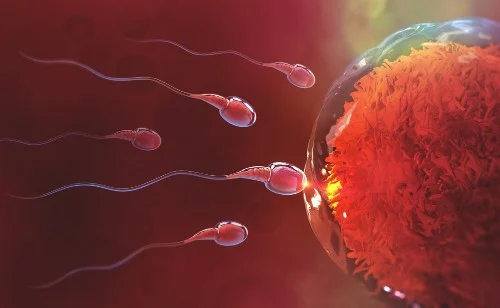
The Surprising Effects of Sleep on Male Fertility and Sperm Health
Increased Risk of Infertility
Infertility is a growing concern for many couples, and studies have found that inadequate sleep may be one of the contributing factors. Research has shown that men who sleep for less than six hours per night may have a 30% higher risk of infertility than those who sleep for eight hours. This is because sleep deprivation can lead to a decrease in testosterone levels, affecting sperm production and quality. Additionally, inadequate sleep can also increase the risk of other health conditions that can affect male fertility, such as obesity and diabetes.
How to Improve Sleep for Better Male Fertility
Now that we have explored the surprising effects of sleep on male fertility and sperm health, you may be wondering how to improve sleep to boost reproductive health. Here are a few tips to help you get better quality sleep:
1. Stick to a sleep schedule: Going to bed and waking up at the same time each day can help regulate your body’s internal clock and improve sleep quality.
2. Create a comfortable sleep environment: Make sure your bedroom is dark, quiet, and cool to promote better sleep.
3. Avoid caffeine and electronics before bed: Caffeine can disrupt sleep, and the blue light emitted from electronics can affect the production of melatonin, the hormone responsible for regulating sleep.
4. Exercise regularly: Regular physical activity can help improve sleep quality and promote overall health.
5. Practice relaxation techniques: Activities like meditation, deep breathing, and yoga can help reduce stress and promote better sleep.
Conclusion
In conclusion, sleep plays a crucial role in male fertility and sperm health. Inadequate sleep can lead to a decrease in sperm count and quality, hormonal imbalances, and an increased risk of infertility. Therefore, it is essential for men who are trying to conceive to prioritize getting enough quality sleep each night. By following the tips mentioned above, men can improve their sleep and promote better reproductive health.
In summary, sleep has a significant impact on male fertility and sperm health. Inadequate sleep can lead to a decrease in sperm count and quality, hormonal imbalances, erectile dysfunction, lower sperm motility, and an increased risk of infertility. To promote better reproductive health, it is crucial for men to prioritize getting enough quality sleep each night. By sticking to a sleep schedule, creating a comfortable sleep environment, avoiding caffeine and electronics before bed, exercising regularly, and practicing relaxation techniques, men can improve their sleep and boost their chances of conceiving.