Title: The Surprising Impact of Stress on Male Fertility: How Stress Affects Sperm Development and Function
Stress is an inevitable part of life, and it can manifest in various forms such as work pressure, family responsibilities, financial worries, or even personal relationships. While most people are aware of the negative effects of stress on their mental and physical well-being, many are unaware that it can also have a significant impact on their reproductive health. In particular, stress has been found to have detrimental effects on sperm development and function, ultimately affecting male fertility.
Sperm development, also known as spermatogenesis, is a complex and delicate process that takes place in the testes. It involves the division and maturation of immature sperm cells into fully developed spermatozoa, which are capable of fertilizing an egg. Any disruption or interference in this process can lead to abnormal sperm production or function, resulting in male infertility.
Studies have shown that stress significantly affects sperm development by altering hormone levels, causing oxidative stress, and disrupting the balance of the hypothalamic-pituitary-gonadal (HPG) axis. When a person is under stress, the body releases cortisol, also known as the stress hormone, which can suppress the production of testosterone. Testosterone is crucial for the development of sperm cells and maintaining their health. Therefore, a decrease in testosterone levels can lead to a decrease in sperm production, resulting in a low sperm count.
Moreover, stress can also cause oxidative stress, a condition where there is an imbalance between the production of reactive oxygen species (ROS) and the body’s ability to neutralize them. ROS are highly reactive molecules that can cause damage to cells, including sperm cells. When sperm cells are exposed to high levels of ROS, it can lead to DNA damage, reducing their quality and ability to fertilize an egg. This can result in male infertility and increase the risk of miscarriage.
Another way stress affects sperm development is by disrupting the HPG axis, a vital pathway that regulates the production of testosterone and other reproductive hormones. Chronic stress can disrupt this delicate balance, leading to a decrease in testosterone production, which, as mentioned earlier, is essential for sperm development. Studies have also found that stress can affect the function of the Leydig cells, which are responsible for producing testosterone in the testes. This can further impact sperm development and function, ultimately affecting male fertility.
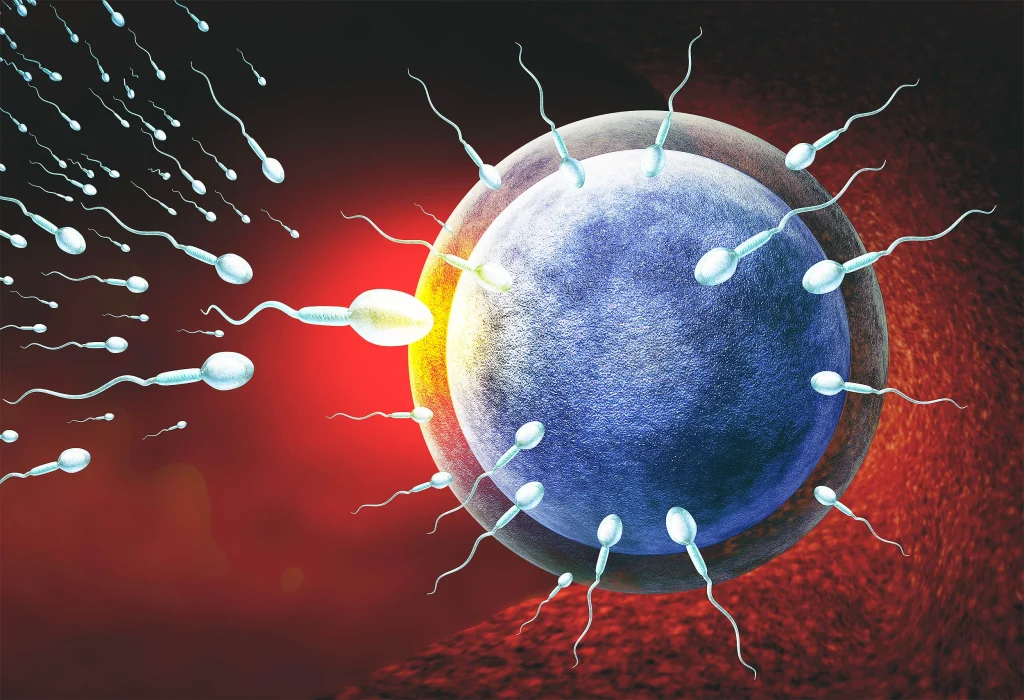
The Effects of Stress on Sperm Development and Function
In addition to affecting sperm development, stress can also directly impact sperm function. Sperm function refers to the ability of sperm cells to move and fertilize an egg successfully. Stress has been found to decrease sperm motility, which is the ability of sperm cells to swim towards an egg. This can significantly reduce the chances of fertilization and conception. Furthermore, stress can also affect the structure and morphology of sperm cells, making them less capable of fertilizing an egg.
The impact of stress on male fertility is not limited to sperm development and function; it can also affect the overall quality of semen. Semen quality is determined by various factors such as sperm count, motility, and morphology. Studies have shown that men who experience high levels of stress have lower semen quality compared to men who are not under stress. This can make it difficult for couples to conceive, leading to fertility issues.
It is essential to note that stress can also indirectly affect male fertility. For instance, stress can lead to unhealthy coping mechanisms such as smoking, drinking alcohol, or using drugs. These habits, in turn, can have a negative impact on sperm development and function. Moreover, stress can also cause a decrease in libido, making it challenging for men to perform sexually, thus affecting their chances of conceiving.
So, what can be done to reduce the impact of stress on sperm development and function? The first step is to identify and manage stressors effectively. Engaging in stress-reducing activities such as exercise, meditation, or therapy can help alleviate stress. A healthy and balanced diet, along with a good night’s sleep, can also help reduce stress levels. Additionally, avoiding unhealthy habits such as smoking and excessive alcohol consumption can also improve sperm quality.
In conclusion, stress can have a significant impact on sperm development and function, ultimately affecting male fertility. It is essential to recognize and manage stress effectively to maintain reproductive health. By making lifestyle changes and seeking support when needed, men can reduce the negative effects of stress on their sperm and increase their chances of conceiving.
Summary:
Stress is known to have various negative effects on mental and physical health, but many are unaware of its impact on male fertility. Stress can significantly affect sperm development by altering hormone levels, causing oxidative stress, and disrupting the HPG axis. It can also directly impact sperm function and lead to a decrease in semen quality. Managing stress through healthy lifestyle changes and seeking support can help reduce its impact on sperm development and function.