Blog Post Title: The Science Behind Stress and Its Effect on Sperm Health
Stress is an inevitable part of life. We all experience stress in different forms and levels, whether it’s from work, relationships, finances, or other factors. While stress can sometimes be beneficial in motivating us to perform better, chronic stress can have negative effects on our physical and mental health. One area that is often overlooked when it comes to the effects of stress is sperm health.
Sperm health is crucial for male fertility and plays a significant role in the process of reproduction. Sperm cells are responsible for fertilizing the female egg, and any abnormalities or issues with sperm can lead to difficulties in conception. In recent years, studies have shown that stress can have a significant impact on sperm health, causing changes in sperm quality and function. In this blog post, we will dive into the science behind stress and its effect on sperm health.
The Link Between Stress and Sperm Health
To understand the connection between stress and sperm health, we must first understand how stress affects our bodies. When we experience stress, our body releases a hormone called cortisol. This hormone triggers the body’s fight or flight response, preparing us to deal with a perceived threat or danger. While this response can be helpful in short-term stressful situations, chronic stress can lead to consistently elevated levels of cortisol in the body.
High levels of cortisol have been linked to a variety of health issues, including heart disease, obesity, and depression. But it can also affect sperm health. Studies have shown that men with high levels of stress have lower sperm quality and quantity. This is because cortisol can disrupt the delicate balance of hormones involved in sperm production, leading to abnormal sperm development.
Effects of Stress on Sperm Quality
One of the key factors in assessing sperm health is its quality. Sperm quality refers to the sperm’s ability to move, swim, and fertilize an egg. Stress has been shown to affect sperm quality in various ways. Firstly, stress can lead to a decrease in sperm motility, which is the sperm’s ability to move and swim towards the egg. This can decrease the chances of sperm reaching and fertilizing the egg.
Secondly, stress can also cause changes in sperm morphology, which refers to the size and shape of the sperm. Abnormal sperm morphology can make it challenging for sperm to reach and penetrate the egg, leading to fertility issues. Studies have also shown that stress can affect the DNA integrity of sperm, which can increase the risk of genetic abnormalities in offspring.
Impact of Stress on Sperm Function
Apart from sperm quality, stress can also impact sperm function. Stress can cause changes in the concentration of hormones involved in sperm production, leading to a decrease in sperm production. This can result in a lower sperm count, making it more challenging to conceive.
Chronic stress can also affect the sperm’s ability to fertilize the egg. Studies have shown that stress can decrease the sperm’s ability to penetrate the egg’s protective layer, making fertilization less likely to occur. Additionally, high levels of cortisol can also lead to oxidative stress, which can damage sperm cells and decrease their function.
Other Factors that Contribute to Stress-Related Male Infertility
While stress plays a significant role in male infertility, it is not the only factor. Other lifestyle and environmental factors can also contribute to stress-related male infertility, including:
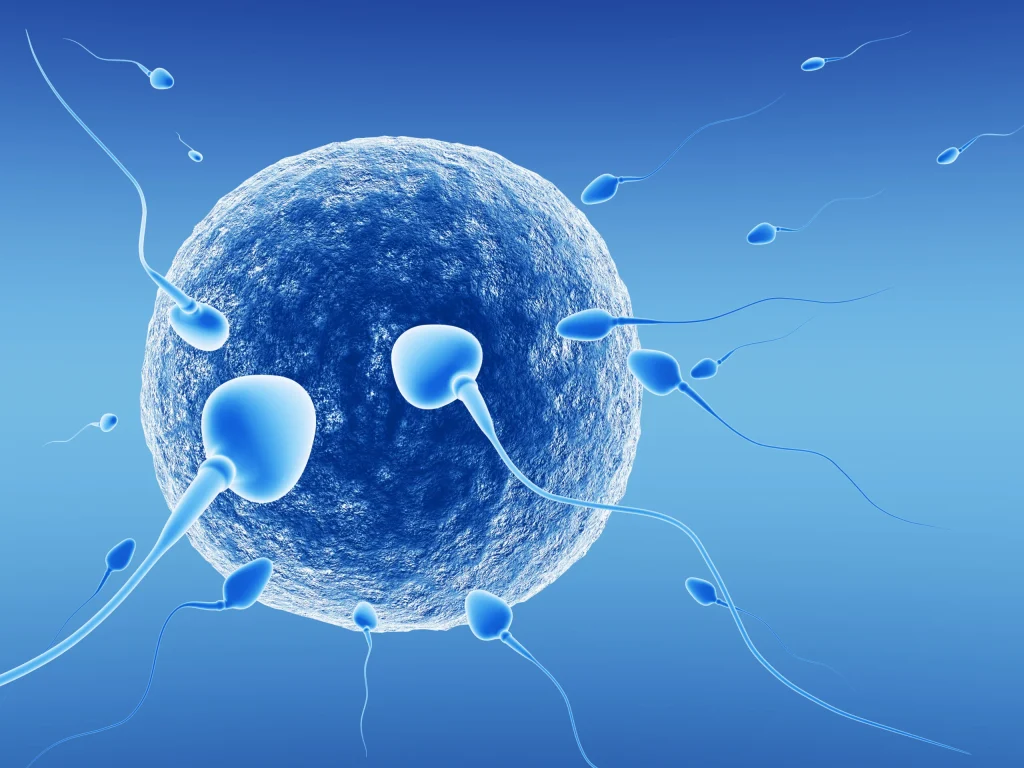
The Science Behind Stress and Its Effect on Sperm Health
1. Poor Diet: A diet high in processed foods, unhealthy fats, and sugar can lead to inflammation in the body, affecting sperm health.
2. Sedentary Lifestyle: Lack of physical activity can lead to obesity, which can affect sperm production and quality.
3. Exposure to Environmental Toxins: Exposure to toxins, such as pesticides, heavy metals, and chemicals, can have a detrimental effect on sperm health.
4. Smoking and Alcohol Consumption: Both smoking and excessive alcohol consumption have been linked to lower sperm quality and quantity.
How to Manage Stress for Better Sperm Health
While stress may seem inevitable, there are ways to manage it and improve sperm health. Here are some tips to help reduce stress and promote healthy sperm:
1. Exercise regularly: Regular physical activity can help lower cortisol levels and improve overall well-being.
2. Eat a healthy diet: A diet rich in fruits, vegetables, whole grains, and lean proteins can help reduce inflammation and promote sperm health.
3. Practice relaxation techniques: Activities like yoga, meditation, or deep breathing can help lower stress levels.
4. Get enough sleep: Lack of sleep can increase stress levels, so aim for 7-9 hours of quality sleep every night.
5. Seek professional help: If you’re struggling with chronic stress, seeking the help of a therapist or counselor can be beneficial.
Conclusion
In conclusion, stress can have a significant impact on sperm health, affecting sperm quality and function. While it may not be possible to eliminate stress entirely, managing it effectively can help improve sperm health and fertility. By making lifestyle changes and seeking professional help when needed, men can take control of their stress levels and promote better sperm health.
Summary:
Stress is an inevitable part of life, and chronic stress can have harmful effects on our physical and mental health. One area that is often overlooked when it comes to the effects of stress is sperm health. Studies have shown that stress can lead to changes in sperm quality and function, making it more challenging for couples to conceive. High levels of cortisol, the hormone released during stress, can disrupt the delicate balance of hormones involved in sperm production and lead to abnormalities in sperm development. Stress can also affect sperm function by decreasing sperm production and the sperm’s ability to fertilize the egg. Other factors like diet, sedentary lifestyle, and exposure to toxins can also contribute to stress-related male infertility. To manage stress and improve sperm health, men can incorporate healthy lifestyle changes and seek professional help when needed.