Blog Post:
Sperm health plays an important role in male fertility and overall reproductive health. While there are many factors that can impact sperm quality, one essential mineral that often gets overlooked is zinc. Zinc is a vital nutrient that plays a crucial role in various bodily functions, one of which is sperm production and quality. In this blog post, we will explore the role of zinc in sperm health and how it can impact male fertility.
First, let’s understand what zinc is and why it is essential for our bodies. Zinc is a trace mineral that is found in cells throughout our body. It is involved in numerous biological processes, such as cell division, DNA synthesis, immune function, and wound healing. It is also a critical component of many enzymes and hormones that regulate various bodily functions.
Now, let’s dive into the specific role of zinc in sperm health. Zinc is necessary for the development of healthy sperm cells. It is involved in the production, maturation, and motility of sperm. Sperm cells contain a high concentration of zinc, which is crucial for their proper functioning. It is also essential for maintaining the structural integrity of the sperm cell’s DNA. Zinc deficiency has been linked to low sperm count, poor sperm quality, and even infertility in men.
Studies have shown that zinc supplementation can improve sperm quality and increase sperm count in men with low levels of zinc. One study found that men who took 60 mg of zinc sulfate daily for two months showed a significant increase in sperm count, motility, and normal sperm morphology. Another study showed that zinc supplementation improved sperm quality and increased pregnancy rates in infertile men.
But how does zinc impact sperm health? Firstly, zinc is necessary for the production of testosterone, the primary male sex hormone. Testosterone plays a crucial role in sperm production and maturation. Low levels of testosterone can lead to reduced sperm production, poor sperm quality, and even infertility. Zinc also helps in the production of luteinizing hormone (LH), which stimulates the production of testosterone. Therefore, ensuring adequate levels of zinc can support healthy testosterone levels and, in turn, improve sperm health.
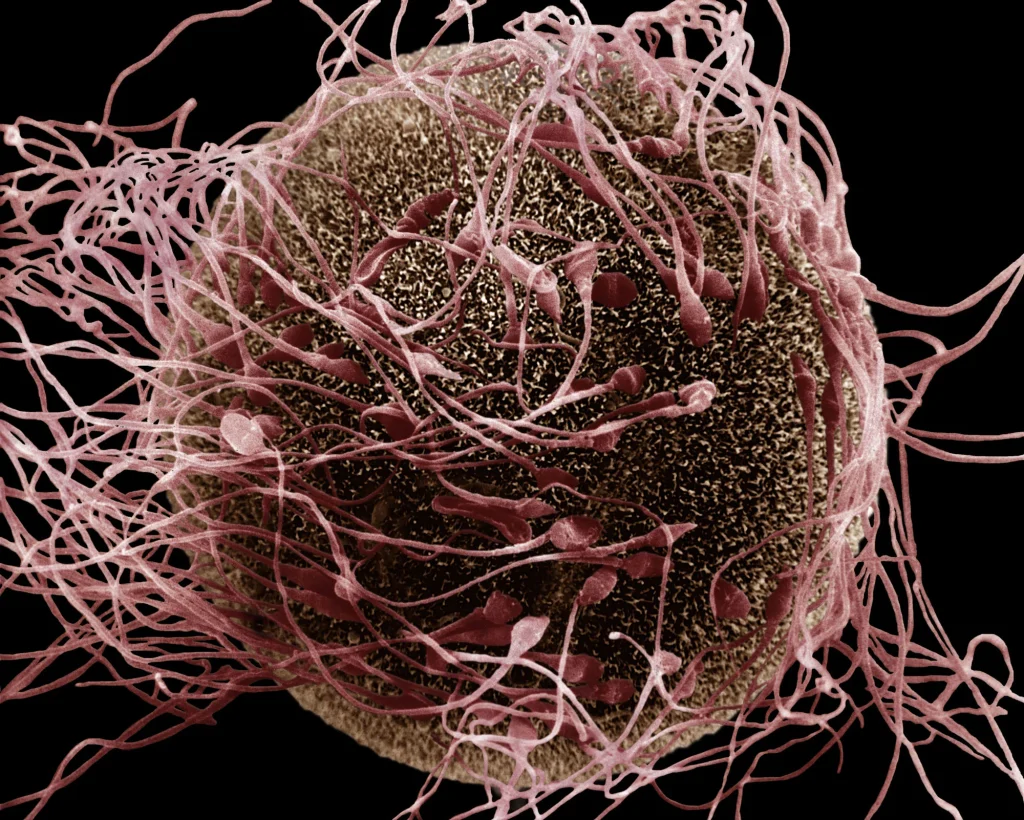
The Role of Zinc in Sperm Health
Secondly, zinc is an antioxidant that protects sperm cells from oxidative stress. Oxidative stress occurs when there is an imbalance between free radicals and antioxidants in the body, leading to cell damage. Sperm cells are highly susceptible to oxidative stress due to their high metabolic activity. Zinc acts as a powerful antioxidant and helps neutralize free radicals, protecting sperm cells from damage. This, in turn, can improve sperm quality and motility.
Thirdly, zinc is essential for the structural integrity of sperm cells. The head of a sperm cell contains a high concentration of zinc, which is necessary for the proper formation of the sperm’s acrosome. The acrosome is a sac-like structure that contains enzymes needed for the sperm to penetrate the egg during fertilization. A deficiency in zinc can lead to abnormal sperm formation and reduce the chances of fertilization.
Lastly, zinc is involved in the regulation of the menstrual cycle and ovulation in women. A study found that women who took zinc supplements had more regular menstrual cycles and better ovulatory function. This is important because regular ovulation is crucial for fertility. When women ovulate regularly, it increases the chances of conception during intercourse.
It is also worth mentioning that zinc deficiency is prevalent among men and women, especially those with unhealthy dietary habits. Foods rich in zinc include oysters, beef, chicken, nuts, and legumes. However, if you suspect that you have a zinc deficiency, it is best to consult your doctor and get a blood test to determine your zinc levels accurately. Your doctor may recommend zinc supplements to help boost your levels if needed.
In conclusion, zinc is a vital mineral for sperm health and male fertility. It is involved in various processes that contribute to the production and quality of sperm cells. Zinc deficiency can lead to low sperm count, poor sperm quality, and infertility in men. Therefore, it is crucial to ensure adequate intake of zinc through a healthy and balanced diet or supplementation if needed. Taking care of your zinc levels can contribute to better sperm health and increase your chances of conception.
Summary:
Zinc is a trace mineral that plays a crucial role in sperm health. It is involved in the production, maturation, and motility of sperm cells and helps maintain the structural integrity of their DNA. Zinc deficiency has been linked to low sperm count, poor sperm quality, and infertility in men. Studies have shown that zinc supplementation can improve sperm quality, increase sperm count, and even improve pregnancy rates in infertile men. Zinc also supports healthy testosterone levels, acts as an antioxidant to protect sperm cells from oxidative stress, and is involved in regulating the menstrual cycle and ovulation in women. Ensuring adequate levels of zinc through a healthy diet or supplementation can contribute to better sperm health and increase chances of conception.