Sperm Health and Hormonal Imbalance: What Men Should Watch Out For
When it comes to male fertility, sperm health is a crucial factor that often goes overlooked. Many men may not realize that their hormones play a significant role in their reproductive health and can have a significant impact on the quality of their sperm. In this blog post, we will explore the relationship between sperm health and hormonal imbalance, and what men should watch out for when it comes to maintaining their reproductive health.
What is Hormonal Imbalance?
Hormonal imbalance refers to when the body produces either too much or too little of certain hormones, disrupting the body’s normal functions. Hormones are chemical messengers that regulate various bodily functions, including reproductive health. In men, the primary hormones involved in reproductive health are testosterone, follicle-stimulating hormone (FSH), and luteinizing hormone (LH).
Testosterone is the primary male sex hormone, responsible for the development of male sexual characteristics and sperm production. FSH and LH are essential for sperm production, with FSH stimulating the production of sperm and LH triggering the production of testosterone. When these hormones are imbalanced, it can affect sperm health and fertility.
How Hormonal Imbalance Affects Sperm Health
Hormonal imbalance can have a significant impact on sperm health, leading to issues such as low sperm count, poor sperm motility, and abnormal sperm morphology. These problems can make it difficult for men to impregnate their partners, leading to fertility issues.
Low Sperm Count: Testosterone plays a crucial role in sperm production, and when levels of this hormone are low, it can lead to a low sperm count. A low sperm count, also known as oligospermia, is a condition in which a man has fewer than 15 million sperm per milliliter of semen. This can make it challenging for men to father a child, as it decreases the chances of sperm reaching and fertilizing an egg.
Poor Sperm Motility: Sperm motility refers to the ability of sperm to move efficiently. Hormonal imbalances, especially low levels of testosterone, can affect sperm motility, making it difficult for sperm to reach the egg. This can significantly decrease a man’s fertility, as sperm with poor motility are less likely to fertilize an egg.
Abnormal Sperm Morphology: The shape and size of sperm are crucial factors in fertility. When sperm have abnormal morphology, meaning they have an unusual shape or size, it can affect their ability to fertilize an egg. Hormonal imbalances can lead to abnormal sperm morphology, making it difficult for men to father a child.
Other Factors That Can Affect Sperm Health
Aside from hormonal imbalances, there are other factors that can affect sperm health, including lifestyle habits and medical conditions. These factors can also contribute to hormonal imbalances, exacerbating the impact on sperm health.
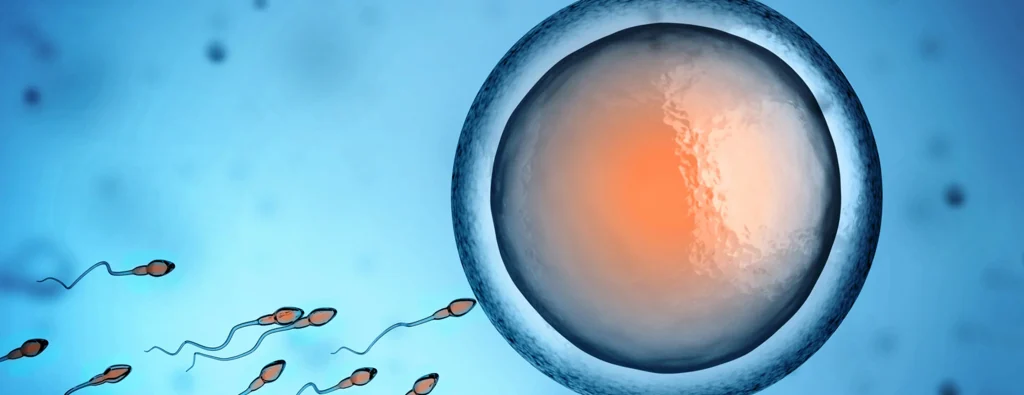
Sperm Health and Hormonal Imbalance: What Men Should Watch Out For
Smoking: Smoking has been linked to decreased sperm count, poor sperm motility, and abnormal sperm morphology. It can also lead to hormonal imbalances, as smoking can interfere with the body’s production and regulation of hormones.
Alcohol and Drug Use: Similar to smoking, excessive alcohol and drug use can have a negative impact on sperm health. These substances can also disrupt hormone production and regulation, leading to imbalances that affect sperm quality.
Obesity: Obesity has been linked to hormonal imbalances, particularly low levels of testosterone. This can affect sperm health, leading to issues such as low sperm count and poor sperm motility.
Medical Conditions: Certain medical conditions, such as diabetes, thyroid disorders, and pituitary gland disorders, can cause hormonal imbalances that affect sperm health.
What Men Can Do to Maintain Sperm Health
Maintaining sperm health is essential for men who want to preserve their fertility and increase their chances of fathering a child. Here are some steps men can take to improve and maintain their sperm health:
1. Eat a Nutritious Diet: A healthy, well-balanced diet is crucial for maintaining overall health, including reproductive health. Eating foods rich in antioxidants, such as fruits and vegetables, can help improve sperm health.
2. Exercise Regularly: Regular exercise can help maintain a healthy weight and improve hormone levels, which can benefit sperm health.
3. Avoid Smoking, Alcohol, and Drugs: As mentioned earlier, these substances can affect sperm health and disrupt hormone levels. Reducing or eliminating their use can have a positive impact on sperm health.
4. Manage Stress: Chronic stress can lead to hormonal imbalances, affecting sperm health. Finding ways to manage stress, such as practicing relaxation techniques or engaging in enjoyable activities, can help improve hormone levels.
5. Get Regular Check-Ups: It’s essential to get regular check-ups with a healthcare provider to monitor hormone levels and address any potential issues that may affect sperm health.
Summary:
Sperm health is a crucial factor in male fertility, and hormonal imbalances can have a significant impact on it. Testosterone, FSH, and LH are essential hormones for sperm production, and imbalances in these hormones can lead to low sperm count, poor sperm motility, and abnormal sperm morphology. Other factors such as smoking, excessive alcohol and drug use, obesity, and certain medical conditions can also affect sperm health. To maintain sperm health, men should eat a nutritious diet, exercise regularly, avoid smoking, alcohol, and drugs, manage stress, and get regular check-ups.