Male fertility is a crucial aspect of human reproduction and has a significant impact on the overall health and well-being of a couple. With the rising incidence of infertility in recent years, there has been a growing interest in understanding the factors that affect male fertility. While there are various causes of male infertility, one of the major factors that have been gaining attention is the impact of environmental factors on sperm health.
Sperm health is a critical factor in male fertility, and any abnormalities or issues with sperm can significantly impact the chances of conception. Male fertility testing, specifically semen analysis, is a commonly used diagnostic tool to assess sperm health. In this blog post, we will discuss male fertility testing and the role of environmental factors in sperm health.
Understanding Male Fertility Testing
Male fertility testing is a process of evaluating a man’s reproductive health and potential to father a child. It involves various tests and examinations to assess the quality and quantity of sperm, as well as other factors that can impact fertility. The most common and reliable test for male fertility is a semen analysis.
Semen analysis involves collecting a semen sample and analyzing it under a microscope to evaluate the sperm’s characteristics. The test assesses the sperm count, motility (movement), morphology (shape), and other factors such as volume and pH of the semen. The results of a semen analysis can provide valuable insights into a man’s fertility potential and help identify any underlying issues that may be affecting sperm health.
Environmental Factors and Sperm Health
Environmental factors refer to external elements that can affect our health and well-being. These factors can include lifestyle choices, exposure to toxins, pollution, and other external agents. While there is a lack of concrete evidence, several studies have suggested that environmental factors can have a significant impact on male reproductive health and sperm quality.
There are various ways in which environmental factors can affect sperm health. Some of these include:
1. Exposure to Toxins: Exposure to certain chemicals, such as pesticides, heavy metals, and industrial chemicals, has been linked to reduced sperm quality and fertility issues. These toxins can disrupt the hormonal balance in the body and affect sperm production and function.
2. Lifestyle Choices: Unhealthy lifestyle habits such as smoking, excessive alcohol consumption, and drug use can have a detrimental effect on sperm health. These habits can lead to oxidative stress, DNA damage, and hormonal imbalances, which can affect sperm quality and fertility.
3. Diet and Nutrition: A balanced and nutritious diet is essential for overall health, including male reproductive health. Studies have shown that a poor diet lacking in essential nutrients can impair sperm production and quality.
4. Radiation Exposure: Exposure to high levels of radiation, whether through occupational hazards or medical treatments, can damage sperm DNA and affect fertility.
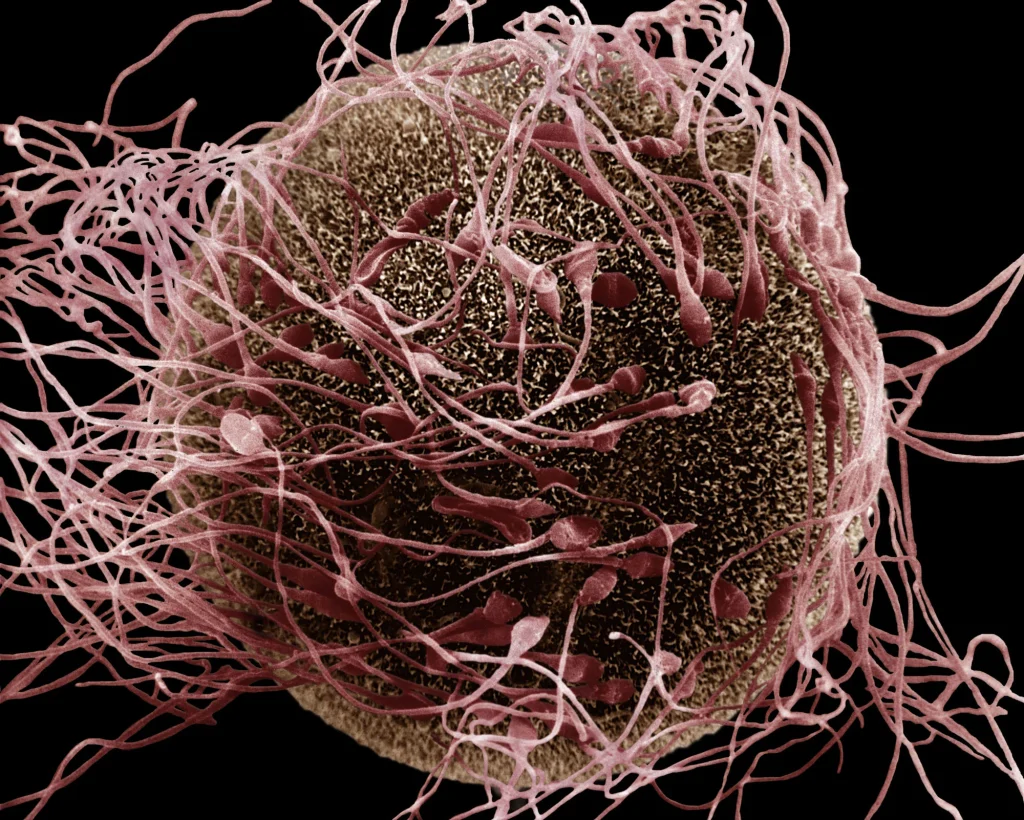
Male Fertility Testing and the Impact of Environmental Factors on Sperm Health
5. Temperature: The testicles are located outside the body, as they require a lower temperature for sperm production. Exposure to high temperatures, such as in saunas or hot tubs, can affect sperm health and decrease fertility.
The Impact of Environmental Factors on Sperm Health
The impact of environmental factors on sperm health can vary from person to person. While some men may have a higher tolerance for exposure to toxins, others may be more susceptible to their effects. However, prolonged exposure to environmental factors can have a cumulative effect and lead to long-term damage to sperm health.
Some of the potential effects of environmental factors on sperm health include:
1. Reduced Sperm Count: Exposure to toxins and other environmental factors can decrease sperm production, leading to a lower sperm count.
2. Poor Sperm Motility: Sperm need to swim efficiently to reach and fertilize an egg. Exposure to toxins and other environmental factors can affect sperm’s ability to move, leading to reduced fertility.
3. Abnormal Sperm Morphology: Environmental factors can damage sperm DNA, leading to abnormal sperm morphology (shape). This can affect the sperm’s ability to fertilize an egg and result in infertility.
4. Hormonal Imbalance: Exposure to toxins can disrupt the hormonal balance in the body, leading to reduced sperm production and fertility issues.
5. Increased Risk of Miscarriage: Poor sperm health can increase the risk of miscarriage, as unhealthy sperm may not be able to fertilize an egg successfully.
Conclusion
Male fertility testing is a crucial step in diagnosing fertility issues and identifying the underlying causes. While there are various factors that can affect male fertility, the impact of environmental factors on sperm health should not be ignored. It is essential to be aware of these external factors and take necessary precautions to protect sperm health. Maintaining a healthy lifestyle and avoiding exposure to toxins can go a long way in preserving sperm health and improving male fertility.
In summary, male fertility testing, specifically semen analysis, is an essential tool in assessing sperm health and fertility potential. Environmental factors such as exposure to toxins, unhealthy lifestyle habits, and temperature can have a significant impact on sperm health and fertility. Being aware of these factors and taking necessary precautions can help preserve sperm health and improve male fertility.