Sperm quality is an important aspect of male reproductive health and has a significant impact on fertility and overall well-being. However, as men age, their sperm quality can decline, leading to various reproductive issues. In this blog post, we will explore the changes in sperm quality at different stages of life and what to expect.
In the early stages of life, from puberty to early adulthood, sperm quality is typically at its peak. During this time, the body is producing a high amount of testosterone, which is crucial for sperm production and quality. Men in this age group usually have a high sperm count, good motility, and a high percentage of normal-shaped sperm. This is the prime time for men to father children, as sperm quality is at its best.
As men enter their 30s and 40s, their sperm quality can start to decline. This is due to a decrease in testosterone levels and an increase in oxidative stress, which can damage sperm DNA. The decline in sperm quality is gradual and may not be noticeable at first, but it can affect fertility in the long run. Men in this age group may experience a decrease in sperm count, motility, and an increase in abnormal sperm.
By the time men reach their 50s and 60s, their sperm quality may have significantly declined. This is due to the natural aging process and a decrease in testosterone production. Men in this age group may have a lower sperm count, poor motility, and a higher percentage of abnormal sperm. This can lead to a decrease in fertility and an increased risk of genetic abnormalities in offspring.
However, it is essential to note that every man is different, and some may maintain good sperm quality well into their 50s and 60s. Factors such as genetics, lifestyle, and overall health can also play a role in sperm quality at any age.
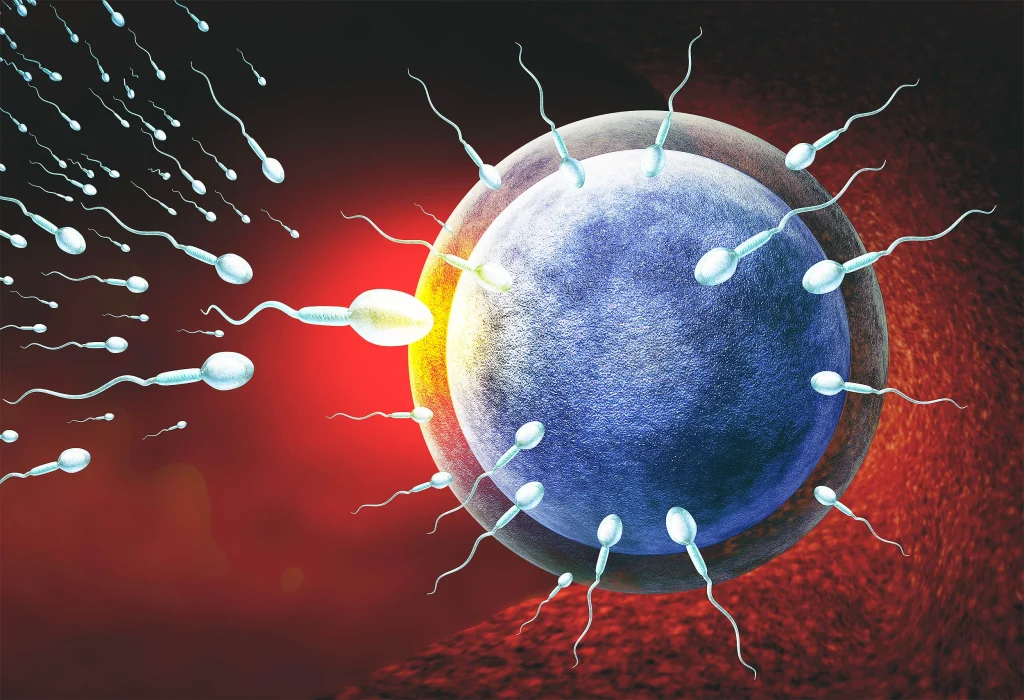
Sperm Quality and Aging: What to Expect at Different Stages of Life
In addition to age-related changes, certain lifestyle factors can also affect sperm quality. These include smoking, excessive alcohol consumption, drug use, poor diet, and lack of exercise. These habits can contribute to oxidative stress and inflammation in the body, leading to damage to sperm DNA and a decrease in sperm quality.
So, what can men do to maintain good sperm quality at any age? The key is to adopt a healthy lifestyle. This includes eating a balanced and nutritious diet, exercising regularly, avoiding harmful substances, and managing stress. These habits can help reduce oxidative stress and inflammation in the body, promoting better sperm quality.
Some specific nutrients and supplements have also been found to improve sperm quality. These include antioxidants like vitamins C and E, zinc, selenium, and coenzyme Q10. These nutrients can help protect sperm DNA from oxidative damage and support healthy sperm production.
In addition to lifestyle changes, seeking medical help is crucial if a decline in sperm quality is suspected. A doctor can perform a semen analysis to assess sperm count, motility, and morphology. If any abnormalities are found, further testing and treatment may be recommended to address the underlying cause and improve sperm quality.
In conclusion, sperm quality can decline with age, but it is not a definitive outcome for all men. By adopting a healthy lifestyle and seeking medical help when needed, men can maintain good sperm quality well into their later years. Remember, it is never too early to start taking care of your reproductive health, and it is never too late to make positive changes for better sperm quality.
In summary, sperm quality can change at different stages of life due to the natural aging process and lifestyle factors. As men age, their testosterone levels decrease, leading to a decline in sperm quality. However, adopting a healthy lifestyle and seeking medical help can help maintain good sperm quality at any age. It is essential to prioritize reproductive health and make positive changes to support better sperm quality.