Fertility in Your 40s: How Age Can Impact Sperm Quality
As people are waiting longer to start families, the topic of fertility in your 40s has become increasingly important. While women are often the focus of discussions about fertility and aging, men also experience a decline in fertility as they get older. In fact, studies have shown that male fertility starts to decline as early as age 35, with a significant decrease in sperm quality and quantity occurring by the age of 40. In this blog post, we will explore how age can impact sperm quality and the potential impact on fertility in your 40s.
The Decline of Sperm Quality in Your 40s
Sperm quality refers to the health and viability of sperm, which is crucial for fertilization and successful conception. As men age, they experience a decline in sperm quality due to a variety of factors. One of the main factors is the decrease in testosterone levels, which can affect the production and quality of sperm. Additionally, as men age, the testicles may produce fewer sperm, and the sperm may have a lower motility rate, making it more difficult to reach and fertilize the egg.
Studies have shown that men in their 40s have a higher percentage of abnormal sperm compared to younger men. This can include sperm with a lower motility rate, abnormal shape, or DNA fragmentation. These abnormalities can make it more challenging for sperm to fertilize an egg or increase the risk of miscarriage if fertilization does occur.
Impact of Lifestyle Factors on Sperm Quality
While age is a significant factor in sperm quality decline, lifestyle factors can also play a role. For example, smoking has been linked to a decrease in sperm quality and quantity. A study published in the American Journal of Epidemiology found that men who smoke have lower sperm count and motility compared to non-smokers. Additionally, excessive alcohol consumption and a sedentary lifestyle have also been linked to decreased sperm quality.
On the other hand, a healthy diet and regular exercise have been shown to improve sperm quality. A study published in the Journal of Andrology found that men who followed a healthy diet with high levels of fruits, vegetables, and whole grains had a higher sperm count and motility rate. Exercise has also been linked to improved sperm quality, with regular physical activity helping to maintain healthy testosterone levels and sperm production.
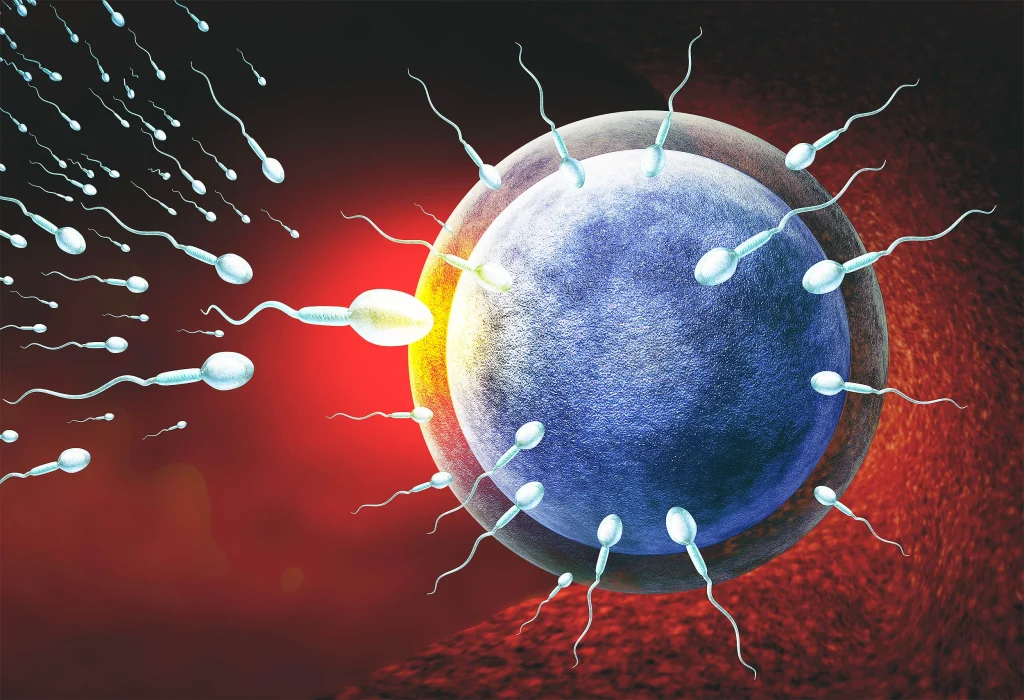
Fertility in Your 40s: How Age Can Impact Sperm Quality
The Impact of Age on Fertility
While sperm quality may decline with age, it does not necessarily mean that men in their 40s cannot father a child. Fertility is affected by a combination of factors, including sperm quality, the health of the female partner, and other lifestyle factors. However, studies have shown that the chances of conception decrease with age, and there is an increased risk of miscarriage and birth defects.
One study published in the journal Fertility and Sterility found that men over the age of 40 were 30% less likely to conceive compared to men under the age of 30. This decline in fertility is due to the decrease in sperm quality and quantity, making it more challenging for sperm to fertilize the egg successfully. Additionally, there is also an increased risk of genetic abnormalities in sperm as men age, which can impact the health of the baby.
Options for Men in Their 40s
If you and your partner are trying to conceive in your 40s, there are a few options available to increase your chances of success. One option is to seek fertility treatment, such as in vitro fertilization (IVF), which can help bypass any sperm quality issues. Additionally, there are lifestyle changes that men can make to improve sperm quality, such as quitting smoking, reducing alcohol consumption, and maintaining a healthy weight.
Another option is to consider donor sperm, which can be used in conjunction with intrauterine insemination (IUI) or IVF. Donor sperm comes from young, healthy donors, which can help increase the chances of successful fertilization and pregnancy.
Summary:
As men age, they experience a decline in sperm quality, which can impact their fertility in their 40s. This decline is due to a decrease in testosterone levels, lifestyle factors such as smoking and excessive alcohol consumption, and the natural aging process. While age does not necessarily mean that men cannot father a child, it can decrease the chances of conception and increase the risk of birth defects. Options such as fertility treatment and donor sperm can help increase the chances of successful conception for men in their 40s.