The Mediterranean diet has long been touted as one of the healthiest diets in the world. Its rich in fruits, vegetables, whole grains, and healthy fats, and has been linked to numerous health benefits, including a reduced risk of heart disease, cancer, and diabetes. But did you know that this diet may also have a positive impact on male fertility and sperm health?
In recent years, there has been a growing interest in the role of diet and lifestyle on male fertility. While many studies have focused on the impact of obesity, smoking, and alcohol consumption on sperm health, there is now emerging evidence that diet can also play a significant role. And the Mediterranean diet, with its emphasis on nutrient-dense foods and healthy fats, is proving to be a recipe for healthy sperm.
So, what exactly is the Mediterranean diet? It is based on the traditional eating habits of people from countries bordering the Mediterranean Sea, such as Greece, Italy, and Spain. The main components of this diet include:
1. Plenty of fruits and vegetables: The Mediterranean diet is abundant in colorful fruits and vegetables, which are packed with essential vitamins, minerals, and antioxidants. These nutrients play a crucial role in sperm production and quality.
2. Whole grains: Whole grains, such as oats, quinoa, and brown rice, are a staple in the Mediterranean diet. They are a rich source of complex carbohydrates, fiber, and B vitamins, which can help regulate hormone levels and improve sperm production.
3. Healthy fats: Unlike other diets that restrict fat intake, the Mediterranean diet encourages the consumption of healthy fats, such as olive oil, nuts, and fatty fish. These fats are rich in omega-3 fatty acids, which have been linked to improved sperm quality and motility.
4. Lean proteins: The Mediterranean diet includes moderate amounts of lean proteins, such as chicken, fish, and legumes. These protein sources are essential for the production of healthy sperm.
5. Limited red meat: Red meat is consumed in moderation in the Mediterranean diet, with a focus on lean cuts and smaller portions. Excessive red meat consumption has been linked to decreased sperm quality and fertility issues.
6. Moderate alcohol consumption: While excessive alcohol consumption has been linked to male infertility, the Mediterranean diet allows for moderate alcohol intake, mainly in the form of red wine. Red wine is a rich source of antioxidants, which can help protect sperm from oxidative damage.
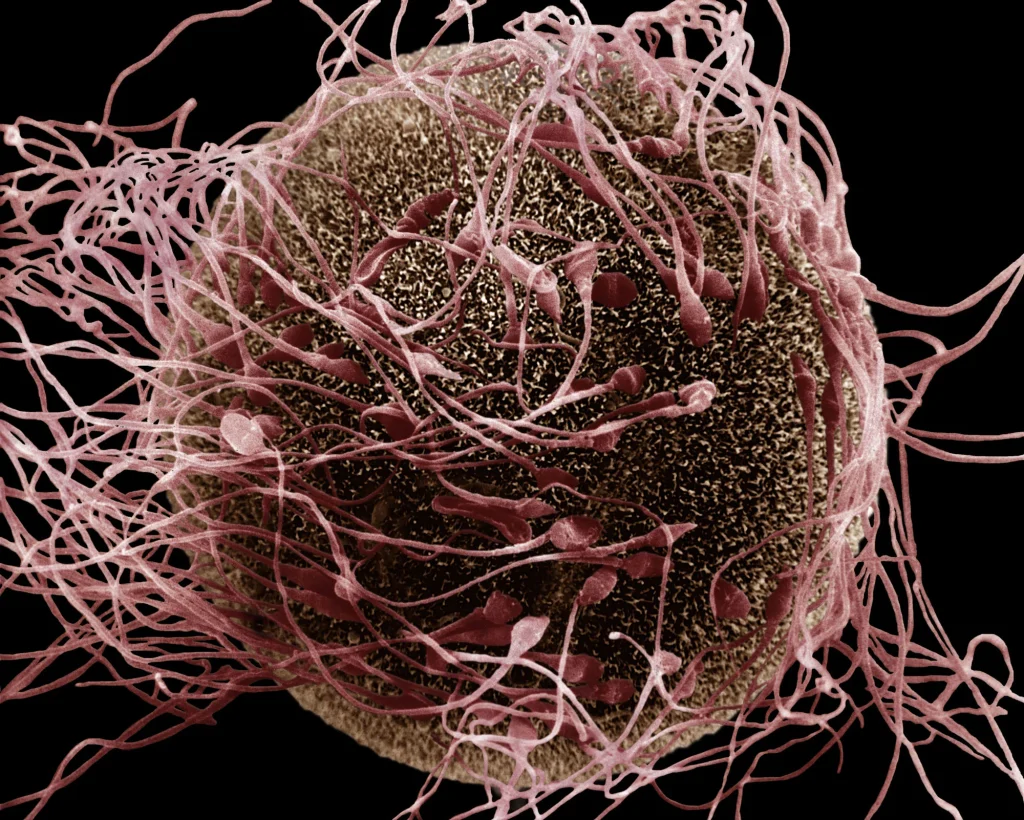
The Mediterranean Diet: A Recipe for Healthy Sperm
7. Limited processed foods: The Mediterranean diet is based on whole, unprocessed foods, and limits the consumption of processed foods, such as refined grains, sugary snacks, and processed meats. These foods can have a negative impact on sperm health and fertility.
Now that we know what the Mediterranean diet consists of, let’s dive into how it can benefit male fertility and sperm health:
1. Improved sperm quality: Several studies have shown a link between the Mediterranean diet and improved sperm quality. One study found that men who followed a Mediterranean-style eating pattern had a higher sperm count, improved motility, and better morphology (shape and size of sperm) compared to those who followed a Western-style diet.
2. Increased antioxidant intake: The Mediterranean diet is rich in antioxidant-rich foods, such as fruits, vegetables, and healthy fats. These antioxidants can help protect sperm from oxidative damage, which is known to negatively impact sperm health.
3. Regulated hormone levels: The Mediterranean diet is a well-balanced diet that includes a good balance of healthy fats, lean proteins, and complex carbohydrates. This balance can help regulate hormone levels in the body, which is crucial for sperm production.
4. Reduced inflammation: Chronic inflammation in the body has been linked to male infertility. The Mediterranean diet has anti-inflammatory properties, mainly due to its high intake of fruits, vegetables, and healthy fats. This can help reduce inflammation and improve sperm health.
5. Lower risk of erectile dysfunction: The Mediterranean diet has been linked to a reduced risk of erectile dysfunction, a condition that can negatively impact male fertility. This diet promotes heart health, which is crucial for proper blood flow to the reproductive organs.
In conclusion, the Mediterranean diet is not only beneficial for overall health but also has a positive impact on male fertility and sperm health. By incorporating more fruits, vegetables, whole grains, and healthy fats into your diet, you can improve the quality and quantity of your sperm, and increase your chances of conceiving. So, if you and your partner are trying to conceive, consider making the Mediterranean diet a part of your lifestyle.
In summary, the Mediterranean diet, with its focus on nutrient-dense foods and healthy fats, can have a positive impact on male fertility and sperm health. Its emphasis on fruits, vegetables, whole grains, and lean proteins, and limited intake of processed foods can improve sperm quality, regulate hormone levels, and reduce inflammation. By following this diet, men can boost their fertility and increase their chances of conceiving.