Summary:
When it comes to male fertility, nutrition plays a crucial role. The food we eat can have a significant impact on sperm health and overall reproductive health. In this blog post, we will discuss the importance of diet in male fertility and what foods to eat for optimal reproductive health.
First and foremost, maintaining a healthy weight is essential for male fertility. Being overweight or underweight can affect hormone levels and sperm production, making it more difficult for men to conceive. A balanced diet that includes a variety of nutrient-rich foods is crucial for maintaining a healthy weight.
One of the key components of a fertility-boosting diet is antioxidants. These powerful nutrients help protect sperm from damage and increase sperm count and motility. Foods such as berries, nuts, dark leafy greens, and colorful fruits and vegetables are excellent sources of antioxidants.
Omega-3 fatty acids are also essential for male fertility. These healthy fats can improve sperm quality by increasing sperm count and motility. Foods rich in omega-3s include fatty fish like salmon, sardines, and mackerel, as well as chia seeds, flaxseeds, and walnuts.
The mineral zinc is another crucial nutrient for male fertility. Zinc plays a vital role in sperm development and is necessary for maintaining healthy testosterone levels. Foods high in zinc include oysters, red meat, poultry, beans, and pumpkin seeds.
Vitamins C and E are also important for male fertility. Vitamin C can help improve sperm quality and motility, while vitamin E can protect sperm from damage. Citrus fruits, berries, leafy greens, and avocados are excellent sources of vitamin C, while nuts, seeds, and vegetable oils are rich in vitamin E.
In addition to specific nutrients, there are also certain foods that have been linked to improved male fertility. These include:
1. Pomegranates: This fruit is high in antioxidants and has been shown to increase sperm count and motility.
2. Fatty fish: As mentioned, fatty fish like salmon, sardines, and mackerel are rich in omega-3s, which can improve sperm health.
3. Tomatoes: Tomatoes are high in lycopene, a powerful antioxidant that has been linked to improved sperm quality.
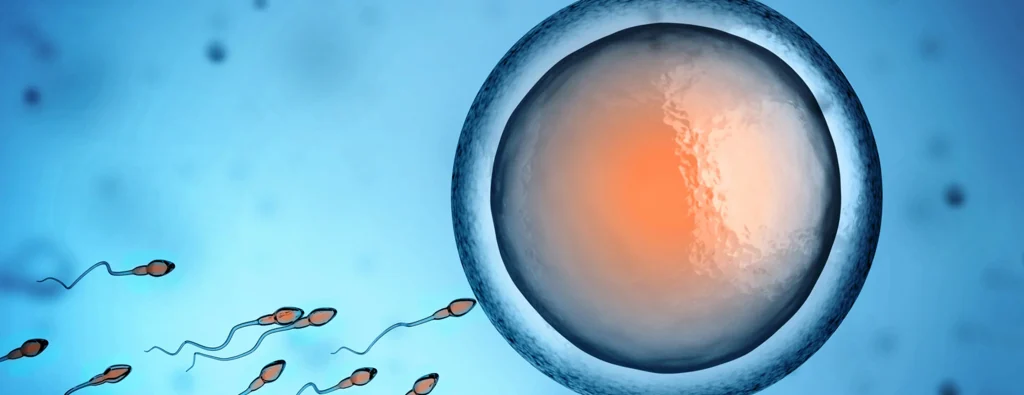
Diet and Male Fertility: What to Eat for Optimal Reproductive Health
4. Eggs: Eggs are a great source of protein and contain essential vitamins and minerals such as zinc and vitamin D, which are important for male fertility.
5. Dark chocolate: Dark chocolate contains flavonoids, which have been shown to improve sperm quality and motility.
It’s also essential to limit or avoid certain foods and substances that can negatively impact male fertility. These include:
1. Processed and high-fat foods: These foods can contribute to weight gain and inflammation, which can affect hormone levels and sperm production.
2. Alcohol: Excessive alcohol consumption can lower testosterone levels and decrease sperm quality.
3. Caffeine: While moderate caffeine intake is generally safe, high levels of caffeine have been linked to reduced sperm quality.
4. Soy products: Soy contains phytoestrogens, which can interfere with testosterone production and sperm quality.
5. Trans fats: Trans fats have been linked to reduced sperm count and motility.
In addition to a healthy diet, regular exercise and managing stress levels are also crucial for male fertility. Regular physical activity can improve sperm quality and hormone levels, while stress can interfere with sperm production and decrease testosterone levels.
In conclusion, diet plays a significant role in male fertility and overall reproductive health. A balanced diet that includes a variety of nutrient-rich foods, such as antioxidants, omega-3s, zinc, and vitamins C and E, can help improve sperm quality and increase the chances of conception. It’s also important to limit or avoid foods and substances that can negatively impact male fertility. Maintaining a healthy weight, exercising regularly, and managing stress levels are also essential for optimal reproductive health.
SEO metadata: