Obesity has become a growing problem in modern society, with more and more people being affected by it. It not only has negative effects on one’s physical health, but it can also impact fertility and sperm quality in men. In this blog post, we will dive into the effects of obesity on sperm quality and fertility, and discuss the potential causes and solutions for this issue.
The Link Between Obesity and Infertility
Obesity is defined as having a body mass index (BMI) of 30 or higher. It is a condition that is caused by an excess accumulation of fat in the body. According to the World Health Organization, obesity has more than tripled worldwide since 1975, and in 2016, over 1.9 billion adults were overweight, with 650 million being obese. This alarming increase in obesity rates has also led to a rise in infertility cases.
Studies have shown that obesity can have a significant impact on male fertility. One study found that obese men were more likely to have low sperm counts, poor sperm motility (the ability of sperm to swim), and abnormal sperm morphology (the size and shape of sperm). This can make it more difficult for couples to conceive naturally, as healthy sperm is crucial for fertilization.
Obesity can also lead to erectile dysfunction, which can further hinder a couple’s chances of conceiving. This is due to the excess fat in the body causing a decrease in testosterone levels, which is essential for proper sexual function.
Causes of Poor Sperm Quality and Fertility in Obese Men
One of the main reasons for the negative effects of obesity on sperm quality and fertility is hormonal imbalance. Adipose tissue, or fat cells, produce the hormone estrogen, which plays a crucial role in reproductive health. However, when a person is obese, these fat cells produce excess amounts of estrogen, which can disrupt the hormonal balance in the body. This can lead to a decrease in testosterone production and an increase in estrogen, resulting in poor sperm quality and fertility.
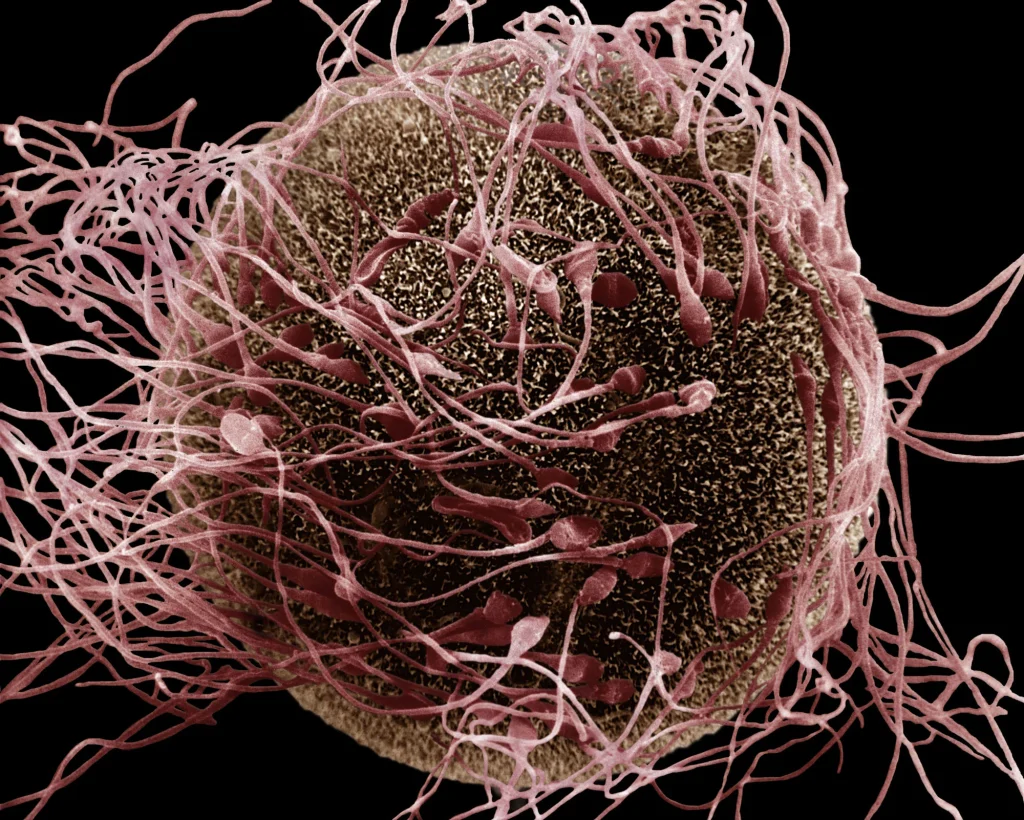
The Effects of Obesity on Sperm Quality and Fertility
Obesity can also cause inflammation in the body, which can affect sperm production. Inflammation is the body’s response to excess fat, and it can damage cells and tissues, including those responsible for sperm production. This can lead to a decrease in sperm production and quality.
Another factor that can contribute to poor sperm quality and fertility in obese men is oxidative stress. Oxidative stress is an imbalance between free radicals (molecules that can damage cells) and antioxidants (substances that help neutralize free radicals). Obesity can cause an increase in oxidative stress in the body, which can damage sperm cells and lead to poor sperm quality.
Solutions for Obese Men to Improve Sperm Quality and Fertility
The good news is that obesity-related infertility can be reversed. The most effective solution is to lose weight through a healthy diet and regular exercise. This can help reduce the amount of estrogen produced by fat cells and restore the hormonal balance in the body.
Studies have also shown that losing weight can improve sperm quality in obese men. One study found that men who lost weight through diet and exercise had a significant increase in sperm count and motility. This shows that weight loss can have a positive impact on fertility in obese men.
Aside from weight loss, making healthy lifestyle choices can also help improve sperm quality and fertility. This includes quitting smoking, reducing alcohol consumption, and managing stress levels. These habits can all contribute to a healthier body and improve overall reproductive health.
Conclusion
In conclusion, obesity can have a negative impact on sperm quality and fertility in men. It can disrupt hormonal balance, cause inflammation, and increase oxidative stress, all of which can affect sperm production and function. However, with proper lifestyle changes and weight loss, these effects can be reversed, and fertility can be improved. It is essential for men, especially those struggling with obesity, to prioritize their reproductive health and take steps to maintain a healthy weight.