Blog Post Title: The Impact of Sperm DNA Fragmentation on Male Fertility
Sperm DNA fragmentation, also known as sperm DNA damage, is a condition that affects the quality and integrity of a man’s sperm. It occurs when the genetic material in a man’s sperm is damaged or broken, leading to reduced fertility and potential pregnancy complications. In recent years, there has been a growing concern about the impact of sperm DNA fragmentation on male fertility and its role in infertility. In this blog post, we will explore the causes, consequences, and treatment options for sperm DNA fragmentation, and its overall impact on male fertility.
Causes of Sperm DNA Fragmentation:
Sperm DNA fragmentation can be caused by a variety of factors, including lifestyle choices, environmental factors, and genetic abnormalities. Some of the most common causes include:
1. Age: As men age, the quality of their sperm deteriorates, which can lead to increased DNA fragmentation.
2. Oxidative Stress: Exposure to toxins, tobacco, alcohol, and other harmful substances can cause an imbalance of free radicals in the body, leading to oxidative stress. This can damage the genetic material in sperm and increase the risk of DNA fragmentation.
3. Infections: Infections in the reproductive system, such as sexually transmitted diseases, can cause inflammation and damage to sperm DNA.
4. Varicocele: This is a condition in which the veins in the scrotum become enlarged, causing increased blood flow and a rise in temperature, which can damage sperm DNA.
5. Genetic Abnormalities: In some cases, sperm DNA fragmentation can be caused by genetic abnormalities, such as chromosomal defects or mutations.
Consequences of Sperm DNA Fragmentation:
Sperm DNA fragmentation can have significant consequences on male fertility and can impact a couple’s ability to conceive naturally. Some of the consequences include:
1. Infertility: Sperm DNA fragmentation can lead to reduced sperm count, motility, and overall sperm quality, making it difficult for sperm to fertilize an egg and resulting in infertility.
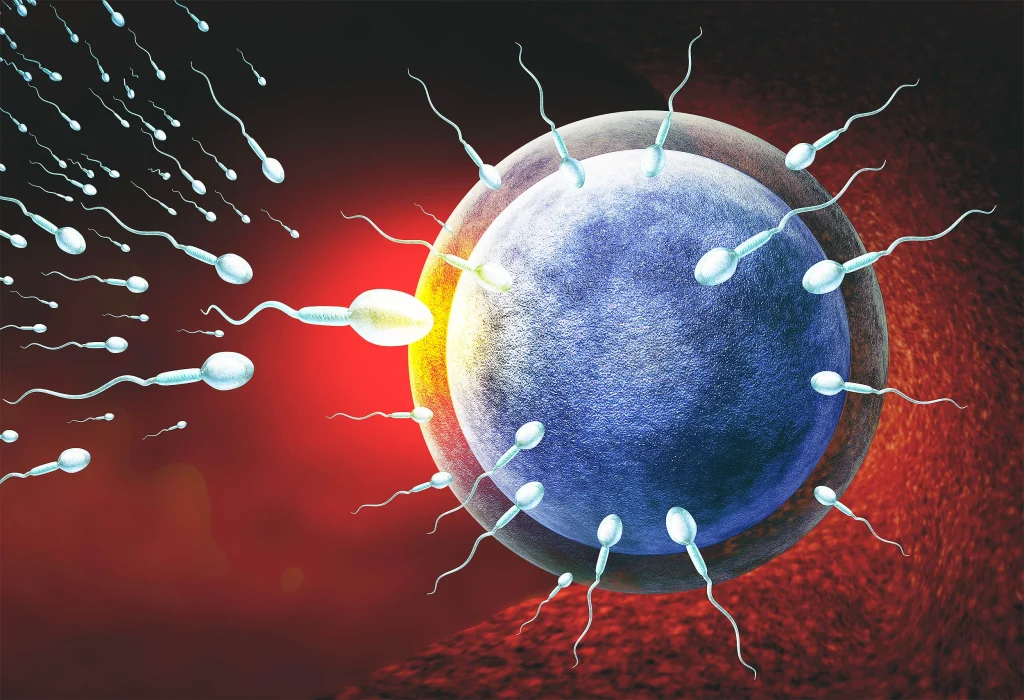
The Impact of Sperm DNA Fragmentation on Male Fertility
2. Increased Risk of Miscarriage: If a sperm with damaged DNA manages to fertilize an egg, it can lead to chromosomal abnormalities in the embryo, increasing the risk of miscarriage.
3. Lower Success Rates in Assisted Reproductive Techniques (ART): For couples undergoing fertility treatments, such as in vitro fertilization (IVF), sperm DNA fragmentation can decrease the chances of a successful pregnancy.
4. Higher Risk of Birth Defects: Sperm DNA fragmentation has been linked to an increased risk of birth defects in babies, such as Down syndrome and other chromosomal abnormalities.
Treatment Options for Sperm DNA Fragmentation:
The good news is that sperm DNA fragmentation can be treated, and in some cases, reversed. Some of the treatment options include:
1. Antioxidant Supplements: Antioxidants, such as vitamin C and E, can help reduce oxidative stress and protect sperm from DNA damage.
2. Lifestyle Changes: Making healthy lifestyle choices, such as quitting smoking, reducing alcohol and drug consumption, and maintaining a healthy weight, can help improve sperm quality and reduce DNA fragmentation.
3. Varicocele Repair: Surgery can be performed to correct varicocele, which can help improve sperm quality and reduce DNA fragmentation.
4. Sperm Selection Techniques: In cases where sperm DNA fragmentation is severe, techniques such as intracytoplasmic sperm injection (ICSI) can be used to select and inject a single sperm directly into an egg for fertilization.
The Impact of Sperm DNA Fragmentation on Male Fertility:
Sperm DNA fragmentation can have a significant impact on male fertility and can cause emotional distress for couples struggling to conceive. It can also lead to financial burdens due to the high costs of fertility treatments. Moreover, the impact of sperm DNA fragmentation goes beyond just fertility; it can also affect the health of future generations. With the increased risk of birth defects and genetic abnormalities, it is crucial to address and treat sperm DNA fragmentation.
Summary:
Sperm DNA fragmentation is a condition that affects the quality and integrity of a man’s sperm, leading to reduced fertility and potential pregnancy complications. It can be caused by various factors such as age, oxidative stress, infections, varicoceles, and genetic abnormalities. The consequences of sperm DNA fragmentation include infertility, increased risk of miscarriage, lower success rates in fertility treatments, and a higher risk of birth defects. Treatment options include antioxidant supplements, lifestyle changes, varicocele repair, and sperm selection techniques. Sperm DNA fragmentation has a significant impact on male fertility and can also affect the health of future generations. It is essential to address and treat this condition to improve fertility outcomes and the overall health of families.