Blog Post: The Connection Between Diet and Male Fertility: How Supplements Can Fill the Gaps
When it comes to fertility, most of the focus is often on the woman’s health and diet. However, studies have shown that the male partner’s diet also plays a crucial role in fertility and the chances of conceiving a child. In fact, research has found that up to 30% of infertility cases are due to male factors. This makes it imperative for men to pay attention to their diet and make necessary changes to optimize their fertility. In this blog post, we will explore the connection between diet and male fertility and how supplements can help fill the gaps.
The Impact of Diet on Male Fertility
A balanced and nutritious diet is important for overall health and well-being. But when it comes to male fertility, certain nutrients are particularly crucial. These include:
1. Zinc: Zinc is an essential mineral that plays a key role in sperm production and quality. Studies have shown that a deficiency in zinc can lead to low sperm count and poor sperm motility. Foods rich in zinc include oysters, beef, chicken, lentils, and pumpkin seeds.
2. Vitamin C: This powerful antioxidant helps protect sperm from damage and improves sperm quality. It also plays a role in the production of collagen, which is important for the health of the sperm-carrying tubes. Citrus fruits, bell peppers, and broccoli are all good sources of vitamin C.
3. Omega-3 Fatty Acids: These healthy fats are important for sperm membrane and sperm motility. Research has also linked low levels of omega-3 to a higher risk of low sperm count. Good sources of omega-3 include fatty fish, chia seeds, and walnuts.
4. Vitamin E: Vitamin E is another antioxidant that protects sperm from oxidative stress. It also helps improve sperm motility and morphology. Good sources of vitamin E include almonds, sunflower seeds, and avocados.
5. Selenium: This trace mineral is important for the production of healthy sperm. Studies have shown that low levels of selenium are associated with male infertility. Brazil nuts, tuna, and eggs are all good sources of selenium.
The Role of Supplements in Filling Nutritional Gaps
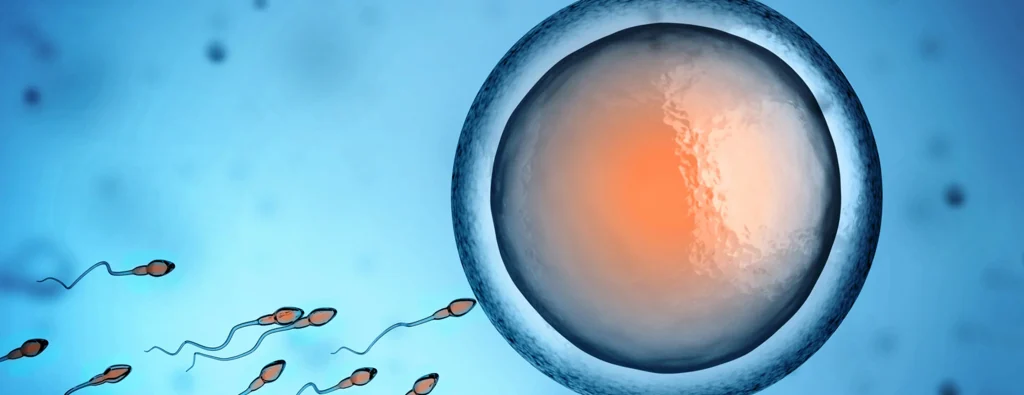
The Connection Between Diet and Male Fertility: How Supplements Can Fill the Gaps
Despite our best efforts, it can be challenging to get all the necessary nutrients from our diet alone. This is where supplements come in. They can help fill the nutritional gaps and ensure that our bodies are getting all the essential nutrients for optimal fertility. Here are some supplements that can be beneficial for male fertility:
1. Multivitamins: A high-quality multivitamin can provide a range of essential vitamins and minerals that are important for male fertility. Look for a multivitamin specifically designed for men’s health and make sure it includes key nutrients like zinc, vitamin C, and vitamin E.
2. Coenzyme Q10 (CoQ10): This powerful antioxidant has been shown to help improve sperm quality and motility. It also plays a role in energy production, which is important for sperm health. However, it’s worth noting that CoQ10 is not present in many foods, and therefore, supplementation may be necessary.
3. L-Carnitine: This amino acid is found in high concentrations in sperm cells and plays a role in sperm metabolism and energy production. Studies have shown that supplementation with L-Carnitine can improve sperm motility and concentration.
4. Fish Oil: As mentioned earlier, omega-3 fatty acids are crucial for sperm health. If you’re not getting enough from your diet, consider taking a fish oil supplement to boost your intake.
5. Maca: This herb has been used for centuries to improve fertility in both men and women. It’s believed to help balance hormones and increase sperm count and motility. However, more research is needed to fully understand its effects on male fertility.
In addition to these supplements, there are also fertility blends specifically designed for men that combine several key nutrients for optimal fertility support.
Conclusion
A healthy and balanced diet is crucial for male fertility. By ensuring adequate intake of key nutrients like zinc, vitamin C, and omega-3, men can improve their sperm quality and increase their chances of conceiving a child. However, in cases where diet alone is not enough, supplements can help fill the nutritional gaps and support male fertility. Consult with a healthcare professional before starting any new supplements to ensure they are safe and suitable for your individual needs.
In summary, the connection between diet and male fertility is undeniable. A diet rich in essential nutrients like zinc, vitamin C, and omega-3 is important for sperm health and overall fertility. Supplements can play a crucial role in filling nutritional gaps and supporting male fertility. With the right diet and supplementation, men can increase their chances of conceiving a child and improve their overall reproductive health.