Blog Post Title: Can Stress Affect Sperm Morphology? Understanding the Link Between Mental Health and Fertility
Summary:
When it comes to fertility and reproduction, there are many factors that can affect a man’s ability to conceive a child. One factor that is often overlooked is the impact of stress on sperm morphology, or the size and shape of sperm. While stress is a common factor in our daily lives, it can have a significant impact on sperm health and ultimately, fertility. In this blog post, we will explore the link between stress and sperm morphology and discuss ways to manage stress for better reproductive health.
What is Sperm Morphology?
Before diving into the relationship between stress and sperm morphology, it is important to understand what sperm morphology is. Sperm morphology refers to the size and shape of sperm cells, which is an important aspect of sperm health. Abnormalities in sperm morphology can affect the ability of sperm to fertilize an egg, leading to fertility issues.
The Link Between Stress and Sperm Morphology
Stress is a natural response to challenging situations, and our bodies are designed to handle it in small doses. However, chronic stress, which is ongoing and long-term, can have a negative impact on our overall health, including fertility. Studies have shown that stress can affect sperm morphology by causing changes in the DNA of sperm cells, leading to abnormal shapes and sizes.
Furthermore, stress can also affect the production of testosterone, the male hormone responsible for sperm production. When testosterone levels are low, it can lead to a decrease in sperm count and quality, including abnormal sperm morphology.
How Stress Affects Sperm Morphology
There are several ways in which stress can affect sperm morphology. One of the main ways is through oxidative stress, which is an imbalance between the production of free radicals and the body’s ability to neutralize them. Free radicals can damage sperm cells, leading to changes in their morphology.
Additionally, stress can also affect the immune system, leading to inflammation in the body. Inflammation can also lead to oxidative stress and damage to sperm cells. Inflammation can be caused by various factors, including poor diet, lack of exercise, and chronic stress.
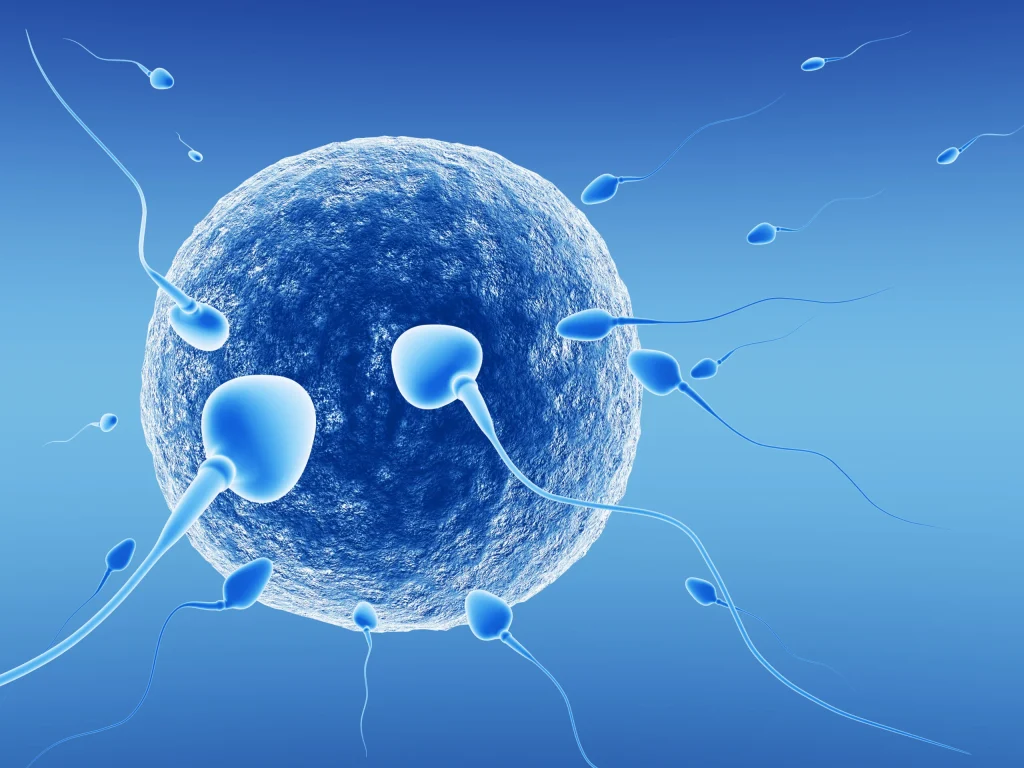
Can Stress Affect Sperm Morphology?
Managing Stress for Better Sperm Morphology
Now that we understand the impact of stress on sperm morphology, it is essential to find ways to manage stress effectively. Here are some tips to help reduce stress levels and improve sperm health:
1. Exercise regularly: Regular physical activity can help reduce stress and improve overall health. It can also help boost testosterone levels, which can positively impact sperm morphology.
2. Eat a healthy diet: A balanced diet rich in fruits, vegetables, and whole grains can help reduce inflammation and oxidative stress in the body. Avoiding processed and sugary foods can also help improve overall health and fertility.
3. Practice relaxation techniques: Activities such as yoga, meditation, and deep breathing exercises can help reduce stress levels and promote relaxation.
4. Seek support: Talking to a therapist or joining a support group can be beneficial in managing stress and improving mental health.
5. Get enough sleep: Lack of sleep can contribute to stress and affect hormone levels in the body. Aim for 7-9 hours of quality sleep each night to help reduce stress levels.
The Bottom Line
Stress can have a significant impact on sperm morphology, ultimately affecting a man’s fertility. By understanding the link between stress and sperm health, and implementing healthy lifestyle habits, men can improve their chances of conceiving a child.
In conclusion, it is essential to prioritize mental health and manage stress effectively for better reproductive health. If you are struggling with fertility issues, consult with a healthcare professional for personalized advice and treatment options.
SEO Metadata: