Blog post:
When it comes to fertility and reproductive health, there are many factors that can impact sperm health, including age. As men age, the quality and quantity of their sperm can decrease, making it more difficult to conceive. In this blog post, we will explore the impact of age on sperm health and discuss seven important things that you need to know.
1. Sperm count and motility decrease with age
One of the main ways that age affects sperm health is by decreasing both sperm count and motility. Sperm count refers to the number of sperm present in a semen sample, while motility refers to the ability of the sperm to move and swim. As men age, their sperm count and motility decrease, making it more challenging for them to fertilize an egg.
2. DNA damage increases with age
Another crucial aspect of sperm health is the integrity of its DNA. As a man gets older, the chances of DNA damage in his sperm increase. This can lead to a higher risk of genetic abnormalities in offspring and can also affect fertility. Studies have shown that men over the age of 35 have a higher likelihood of having children with conditions like autism and schizophrenia.
3. Risk of miscarriage increases
As sperm quality decreases with age, the risk of miscarriage in female partners also increases. This is because older sperm may carry more DNA damage and increase the chances of genetic abnormalities in the fetus. This can be a challenging and emotional experience for couples trying to conceive, and highlights the importance of considering age when planning for a family.
4. Lifestyle factors play a role
While age is a significant factor in sperm health, lifestyle factors can also impact sperm quality. Factors like smoking, excessive alcohol consumption, and poor diet can all contribute to decreased sperm health. Therefore, it is essential for men to maintain a healthy lifestyle to preserve their sperm quality, especially as they age.
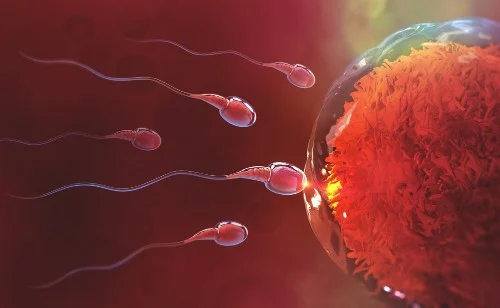
The Impact of Age on Sperm Health: 7 Things You Need to Know
5. Advanced paternal age can affect the health of children
As men age, there is an increased risk of having children with certain health conditions. Studies have shown that advanced paternal age can increase the risk of conditions like Down syndrome, autism, and schizophrenia in offspring. Although the exact reasons for this are still being studied, it is believed to be due to the increased likelihood of DNA damage in older sperm.
6. Fertility treatments may be necessary
For couples struggling with infertility, age can play a significant role in the effectiveness of fertility treatments. As sperm quality decreases with age, it can be more challenging to achieve a successful pregnancy through methods like in vitro fertilization (IVF) or intrauterine insemination (IUI). In these cases, more advanced fertility treatments may be necessary to help increase the chances of conception.
7. There are ways to improve sperm health
While age is a factor that cannot be changed, there are ways to improve sperm health and increase the chances of conception. Maintaining a healthy lifestyle, including regular exercise and a balanced diet, can help preserve sperm quality. Additionally, certain supplements, such as folic acid and zinc, have been shown to improve sperm health. It is also essential to reduce exposure to environmental toxins and avoid activities that may cause overheating of the testicles, such as prolonged hot tub use.
In conclusion, age can significantly impact sperm health, making it more challenging for men to conceive as they get older. It is crucial for couples to be aware of these effects and take proactive steps to maintain sperm health. By understanding the impact of age on sperm, couples can make informed decisions about family planning and seek appropriate medical assistance if needed.
Summary:
The impact of age on sperm health is a crucial factor to consider when it comes to fertility and reproductive health. As men age, the quality and quantity of their sperm can decrease, making it more difficult to conceive. This blog post discussed seven important things you need to know about how age affects sperm health, including decreased sperm count and motility, increased DNA damage, and a higher risk of miscarriage and health conditions in offspring. However, there are ways to improve sperm health, such as maintaining a healthy lifestyle and reducing exposure to environmental toxins. By being aware of these effects, couples can make informed decisions about family planning and seek appropriate medical assistance if needed.