Blog Post: Sperm Count and Hormones: The Surprising Connection
When it comes to fertility and reproductive health, sperm count is often a topic of concern for men. It is a well-known fact that a low sperm count can greatly impact a man’s ability to father a child. However, what many people may not realize is that there is a strong connection between sperm count and hormones. In this blog post, we will explore the surprising connection between sperm count and hormones, and how hormonal imbalances can affect male fertility.
First, let’s understand the basics. Sperm count, also known as sperm concentration, refers to the number of sperm cells in a measured amount of semen. The World Health Organization (WHO) defines a normal sperm count as having at least 15 million sperm per milliliter of semen. Anything below this number is considered a low sperm count, also known as oligospermia. On the other hand, a high sperm count, also known as polyzoospermia, is when a man has more than 200 million sperm per milliliter of semen.
Now, let’s dive into the connection between sperm count and hormones. Hormones are chemical messengers in the body that regulate various functions, including fertility. In men, the main hormones involved in reproductive health are testosterone, follicle-stimulating hormone (FSH), and luteinizing hormone (LH). These hormones play a crucial role in the production of sperm.
Testosterone is the primary male sex hormone and is responsible for sperm production. Low levels of testosterone can lead to a decrease in sperm production, resulting in a low sperm count. On the other hand, high levels of testosterone can lead to the overproduction of sperm, causing a high sperm count. This is why hormonal imbalances, such as low testosterone levels, can greatly impact sperm count.
FSH and LH are hormones produced by the pituitary gland, located in the brain. FSH stimulates the testicles to produce sperm, while LH stimulates the production of testosterone. When there is a hormonal imbalance, such as low levels of FSH or LH, there can be a decrease in sperm production, leading to a low sperm count. Additionally, certain medications, such as those used for hormone therapy or to treat prostate cancer, can also affect FSH and LH levels, thus impacting sperm count.
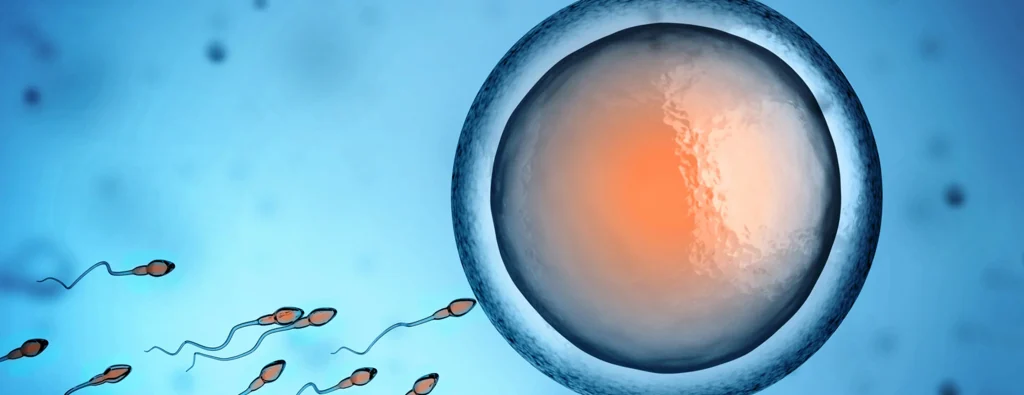
Sperm Count and Hormones: The Surprising Connection
Another surprising connection between sperm count and hormones is the role of estrogen. Although estrogen is known as the primary female sex hormone, it also plays a crucial role in male reproductive health. In men, estrogen is produced from testosterone through a process called aromatization. A small amount of estrogen is necessary for sperm production, but too much can have a negative impact. High levels of estrogen can decrease sperm production, leading to a low sperm count.
Moreover, certain environmental factors can also affect hormone levels and, consequently, sperm count. Exposure to endocrine-disrupting chemicals, such as pesticides, plastics, and industrial chemicals, can disrupt the delicate balance of hormones in the body. This can lead to hormonal imbalances and, in turn, impact sperm production and count.
So, what can be done to maintain a healthy sperm count and balance hormones? The first step is to lead a healthy lifestyle. A nutritious diet, regular exercise, and avoiding harmful substances, such as tobacco and excessive alcohol, can help maintain hormonal balance. Additionally, managing stress levels and getting enough sleep can also play a crucial role in keeping hormones in check.
In cases where hormonal imbalances are causing a low sperm count, medication or hormone therapy may be prescribed by a medical professional. It is essential to consult a doctor before taking any medication to ensure it is safe and effective for individual needs.
In conclusion, the connection between sperm count and hormones is stronger than many people may realize. Hormones play a vital role in sperm production, and any imbalances can have a direct impact on fertility. By understanding this connection and taking steps to maintain hormonal balance, men can improve their chances of having a healthy sperm count and achieving their reproductive goals.
In summary, sperm count and hormones are closely connected, and hormonal imbalances can greatly impact male fertility. Testosterone, FSH, and LH are the main hormones involved in sperm production, and imbalances in these hormones can lead to a low sperm count. Environmental factors and lifestyle choices can also affect hormone levels, highlighting the importance of leading a healthy lifestyle. In cases of hormonal imbalances, seeking medical advice and following a treatment plan can help improve sperm count and overall reproductive health.