Blog Post: The Link Between Male Reproductive Health and Prostate Health
Prostate health is a crucial aspect of men’s overall well-being, but it is often overlooked or ignored. This small gland, located just below the bladder, plays a vital role in the male reproductive system, and any issues with it can have a significant impact on a man’s health. In recent years, there has been a growing interest in the link between male reproductive health and prostate health, with researchers uncovering new evidence that highlights their interconnection. In this blog post, we will explore the link between male reproductive health and prostate health and the steps men can take to maintain a healthy prostate.
The prostate is responsible for producing semen, the fluid that carries sperm during ejaculation. It also helps in regulating urine flow and plays a role in sexual function. As men age, the prostate gland tends to enlarge, causing a condition known as benign prostatic hyperplasia (BPH). BPH is a non-cancerous enlargement of the prostate that can lead to uncomfortable symptoms such as frequent urination, difficulty urinating, and a weak urine stream. While BPH is a common age-related condition, it is essential to understand that the prostate is also susceptible to other health issues that can affect a man’s reproductive health.
One of the most well-known prostate health issues is prostate cancer. According to the American Cancer Society, prostate cancer is the second most common cancer among men, with about 1 in 9 men being diagnosed in their lifetime. The risk of developing prostate cancer increases with age, and it is more prevalent in African-American men. While the exact cause of prostate cancer is still unknown, researchers have found a strong link between male reproductive health and prostate cancer.
A study published in the Journal of Clinical Oncology found that men with a history of prostate inflammation or prostatitis had a significantly higher risk of developing prostate cancer. Prostatitis is inflammation of the prostate gland, which can be caused by bacterial infection or other factors. The study also found that men who had experienced frequent episodes of prostatitis in their lifetime had a higher risk of developing an aggressive form of prostate cancer. This highlights the importance of addressing any reproductive health issues promptly to reduce the risk of prostate cancer.
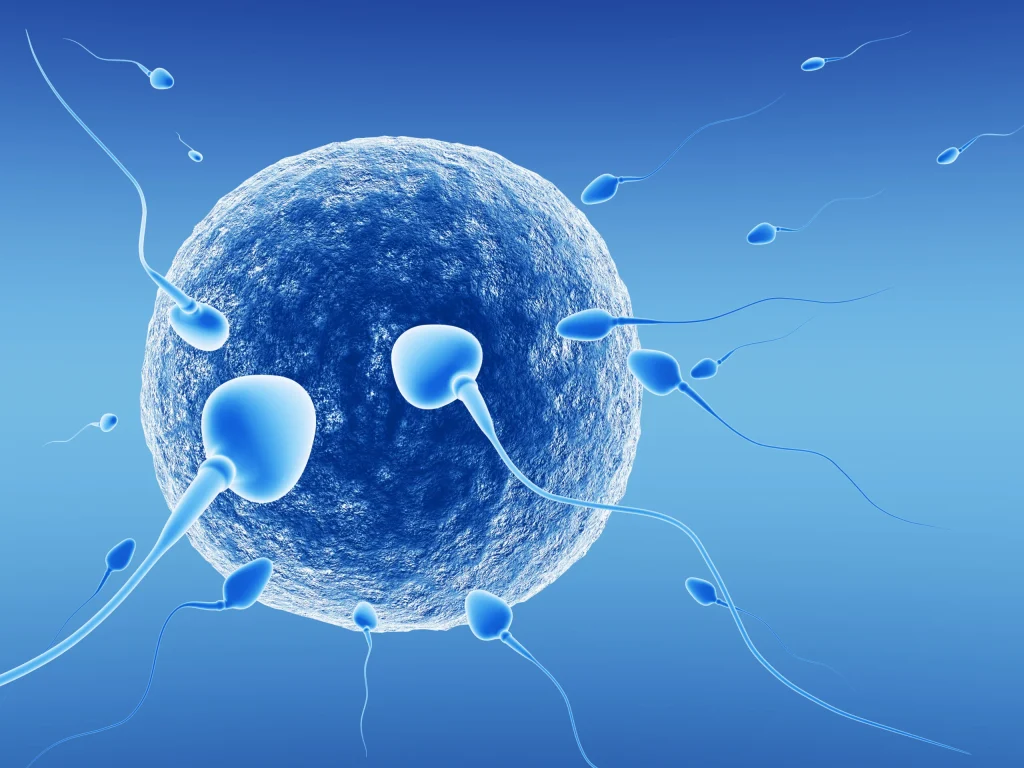
The Link Between Male Reproductive Health and Prostate Health
Another aspect of male reproductive health that is closely linked to prostate health is sexual function. Erectile dysfunction (ED) is a common issue that affects many men, especially as they get older. ED is the inability to achieve or maintain an erection, which can have a significant impact on a man’s quality of life. Several studies have shown a strong link between ED and prostate health. One study found that men with BPH were more likely to experience ED, and those with both BPH and ED had a higher risk of developing prostate cancer. This suggests that maintaining good prostate health can also help prevent sexual dysfunction.
So, what can men do to maintain a healthy prostate and reproductive health? The first step is to have regular check-ups with a healthcare professional to monitor prostate health. Men over the age of 50 or those with a family history of prostate cancer should have an annual prostate exam and a prostate-specific antigen (PSA) test. The PSA test measures the levels of a protein produced by the prostate gland, and elevated levels may indicate prostate issues.
In addition to regular check-ups, making healthy lifestyle choices can also help maintain good prostate health. A diet rich in fruits, vegetables, and whole grains has been linked to a lower risk of prostate cancer. On the other hand, a diet high in red meat and dairy products may increase the risk of prostate cancer. Regular exercise and maintaining a healthy weight can also reduce the risk of developing prostate issues.
There are also specific supplements and nutrients that have been linked to prostate health. These include saw palmetto, green tea extract, and lycopene, which is found in tomatoes. However, it is essential to consult with a healthcare professional before taking any supplements, as they may interact with medications or have adverse effects.
In summary, male reproductive health and prostate health are closely linked, and taking care of one can have a positive impact on the other. Regular check-ups, a healthy diet, and exercise are crucial for maintaining good prostate health. Addressing any reproductive health issues promptly can also help reduce the risk of prostate problems and prostate cancer. By understanding the link between male reproductive health and prostate health, men can take proactive steps towards leading a healthy and fulfilling life.
Summary: In this blog post, we explored the link between male reproductive health and prostate health. The prostate plays a vital role in the male reproductive system and is susceptible to various health issues such as BPH and prostate cancer. Research has shown a strong link between male reproductive health and prostate health, with factors such as prostatitis, sexual dysfunction, and lifestyle choices affecting both. Taking care of one’s reproductive health through regular check-ups and a healthy lifestyle can help maintain a healthy prostate and reduce the risk of prostate problems and prostate cancer.