Blog Post:
Obesity has been a growing concern in recent years, with nearly 40% of the world’s population being classified as overweight or obese. While the physical and mental health effects of obesity are well-documented, its impact on male reproductive health is often overlooked. In this blog post, we will explore the effects of obesity on male reproductive health and the potential consequences it can have on fertility and overall wellness.
The Link Between Obesity and Male Infertility:
Obesity has been linked to a variety of health issues, including heart disease, diabetes, and certain types of cancer. However, it may come as a surprise that obesity can also have a negative impact on male reproductive health. Studies have shown that obesity can lead to reduced sperm quality and quantity, making it more difficult for men to father children. This is due to several factors, such as hormonal imbalances, increased scrotal temperature, and inflammation in the reproductive organs.
Hormonal Imbalances:
Obesity can disrupt the delicate balance of hormones in the body, leading to an increase in estrogen and a decrease in testosterone levels. This hormonal imbalance can affect sperm production and quality, leading to a decrease in sperm count and motility. Additionally, high levels of estrogen can also cause the testicles to shrink, further affecting fertility.
Increased Scrotal Temperature:
The scrotum is responsible for regulating the temperature of the testicles, which is crucial for sperm production. However, obesity can cause excess fat to accumulate in the scrotum, leading to an increase in temperature. This increase in temperature can negatively impact sperm production, resulting in lower sperm count and decreased sperm quality.
Inflammation:
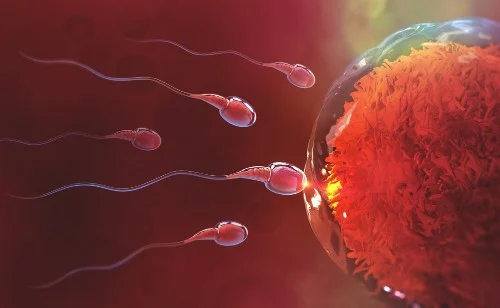
The Effects of Obesity on Male Reproductive Health
Obesity is associated with chronic low-grade inflammation, which can have a detrimental effect on male reproductive health. Inflammation in the reproductive organs can lead to damage to sperm cells and disrupt the process of fertilization. It can also affect the function of the prostate and seminal vesicles, which are essential for semen production and ejaculation.
Obesity and Erectile Dysfunction:
In addition to its effects on sperm production, obesity can also lead to erectile dysfunction (ED). Obesity is a risk factor for several conditions that can cause ED, such as high blood pressure, high cholesterol, and diabetes. Excess fat can also restrict blood flow, making it difficult for men to achieve and maintain an erection. ED not only affects sexual function but can also have a significant impact on a man’s mental health and self-esteem.
Impact on Overall Wellness:
Apart from the direct effects on male reproductive health, obesity can also have a negative impact on overall wellness. Obesity can lead to a sedentary lifestyle, which can further exacerbate the effects on fertility. It can also increase the risk of other health conditions, such as sleep apnea, which can also affect fertility. In addition, obesity can lead to psychological issues such as depression and anxiety, which can have a negative impact on sexual function and fertility.
The Consequences of Obesity on Fertility:
The effects of obesity on male reproductive health can have significant consequences on fertility. It can make it difficult for couples to conceive naturally, and in severe cases, it can lead to complete infertility. Even if a couple is able to conceive, obesity can increase the risk of complications during pregnancy, such as gestational diabetes and preeclampsia. It can also affect the health of the child, leading to a higher risk of birth defects and chronic health conditions.
Taking Steps Towards a Healthier Lifestyle:
The good news is that obesity is a preventable and manageable condition. By making healthy lifestyle choices, men can reduce the negative impact of obesity on their reproductive health. Maintaining a healthy weight through a balanced diet and regular exercise can help improve sperm quality and increase testosterone levels. Quitting smoking and reducing alcohol consumption can also have a positive impact on male reproductive health. Seeking medical help for any underlying health conditions, such as diabetes or high blood pressure, can also improve fertility.
In summary, obesity can have a significant impact on male reproductive health. It can lead to hormonal imbalances, increased scrotal temperature, and inflammation, all of which can affect sperm production and quality. Obesity can also lead to erectile dysfunction, have a negative impact on overall wellness, and increase the risk of fertility complications. However, by making healthy lifestyle choices, men can reduce the negative effects of obesity on their reproductive health and improve their chances of fathering a child.